To make the numbers easy to follow, this guide uses US$250 per man-day as an example. It is not a fixed UTS price. At that example rate, one man-day would be US$250, two would be US$500, and three would be US$750.
The real question is how many man-days the order needs. A simple one-SKU shipment may fit into one day. An order with many models can take longer. The same goes for products that need slow function tests or more packaging checks.
Estimated inspection cost = man-day rate × required man-days + separately agreed work
At UTS, a normal Final Random Inspection is arranged when production is 100% complete and at least 80% packed. By then, the finished goods are ready for random sampling and shipment-stage checks.
If you need a real quotation, send us the product, order quantity and factory address. For a multi-SKU order, include the SKU list too. Our project service team can review the likely workload before the visit is arranged.
Request an Inspection| Illustrative workload | Man-days | At US$250/day |
|---|---|---|
| Straightforward single-SKU inspection | 1 | US$250 |
| Inspection requiring more time | 2 | US$500 |
| Large or test-heavy project | 3 | US$750 |
Two people working for one day normally count as two man-days. One person working across two days also counts as two.
The total quantity helps with sampling, but it does not tell the full story. Ten thousand identical pieces may be fairly simple to inspect. Two thousand pieces spread across many models can be more work.
That is why a quotation based only on “5,000 pcs” is often too rough. We also need to know what those 5,000 pieces actually are.
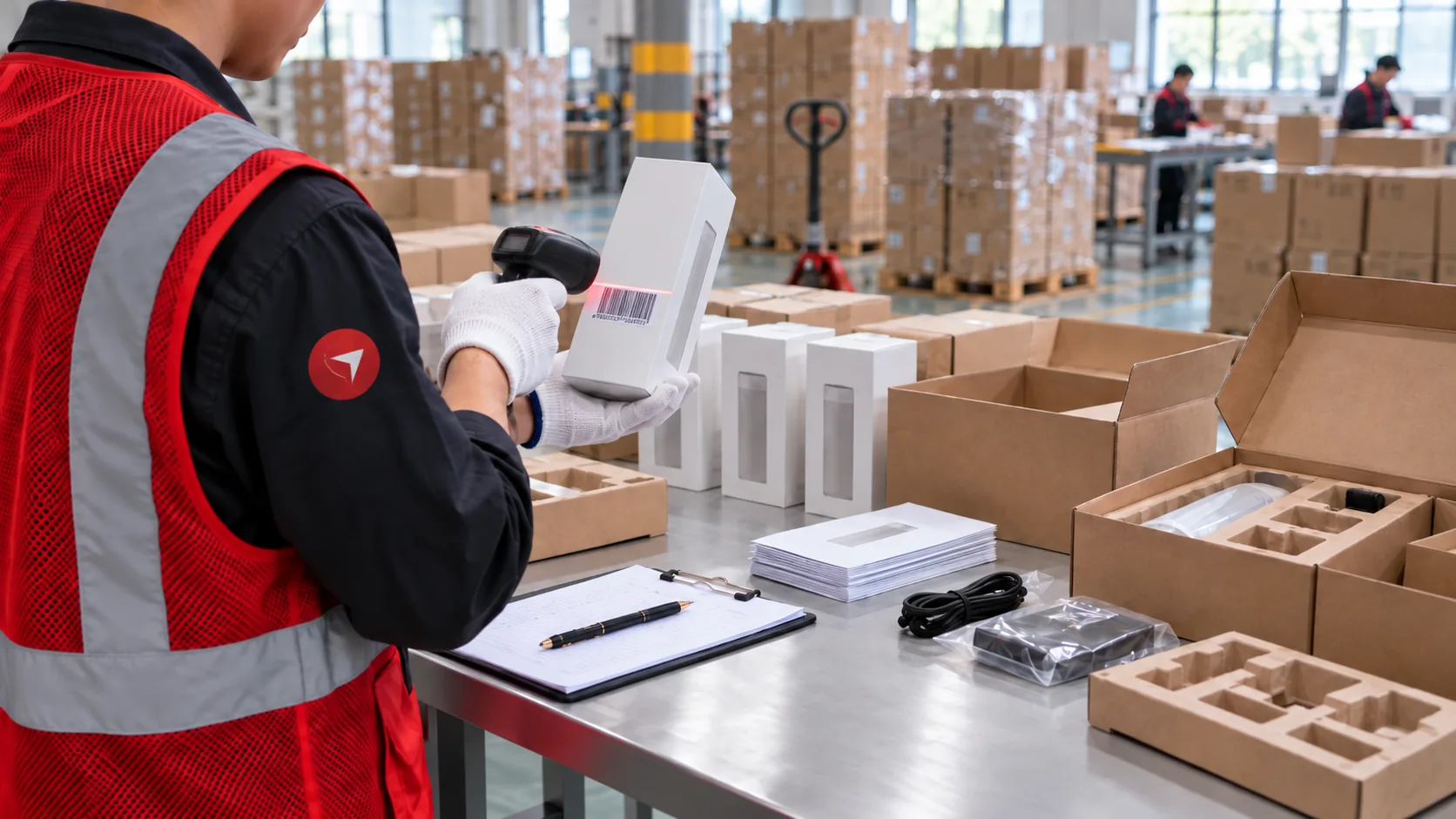
A normal sampled inspection does not simply take a fixed percentage of the order.
ISO 2859-1:2026 covers lot-by-lot acceptance sampling schemes indexed by Acceptance Quality Limit, or AQL.[1] ANSI/ASQ Z1.4 is also widely used for inspection by attributes and includes normal, tightened and reduced sampling plans.[2]
The UTS ANSI Sampling Tables give a useful example.
| Lot size | 4,000 units |
| Inspection level | General Inspection Level II |
| Code letter | L |
| Main sample | 200 units |
| Example AQL | 2.5 |
| Acceptance / rejection | 10 / 11 for the defect category assessed at AQL 2.5 |
In that example, 200 pieces are checked from a lot of 4,000. That is 5% of the lot, even though the example AQL is 2.5.
So AQL 2.5 does not mean “inspect 2.5% of the order.” It is also not a simple statement that 2.5% defective goods are automatically acceptable.
For pricing, the bigger issue is what has to be done with those 200 samples. A quick visual workmanship check takes one amount of time. Add measurements or operating tests and the workload starts to change.
| Order A | Order B |
|---|---|
|
10,000 units 1 SKU 1 color One packaging format |
2,400 units 24 SKUs Several accessory versions Different labels |
Order B has 7,600 fewer units. That is 76% fewer pieces.
But every selected sample from Order B still has to be tied back to the correct model. The accessory inside the box must belong to that model. The label needs to match too.
A result from Model A cannot simply be carried across to Model B when the parts or specifications are different.
Our Multi-SKU Inspection guide looks at this problem in more detail, especially when the order contains many low-volume models.
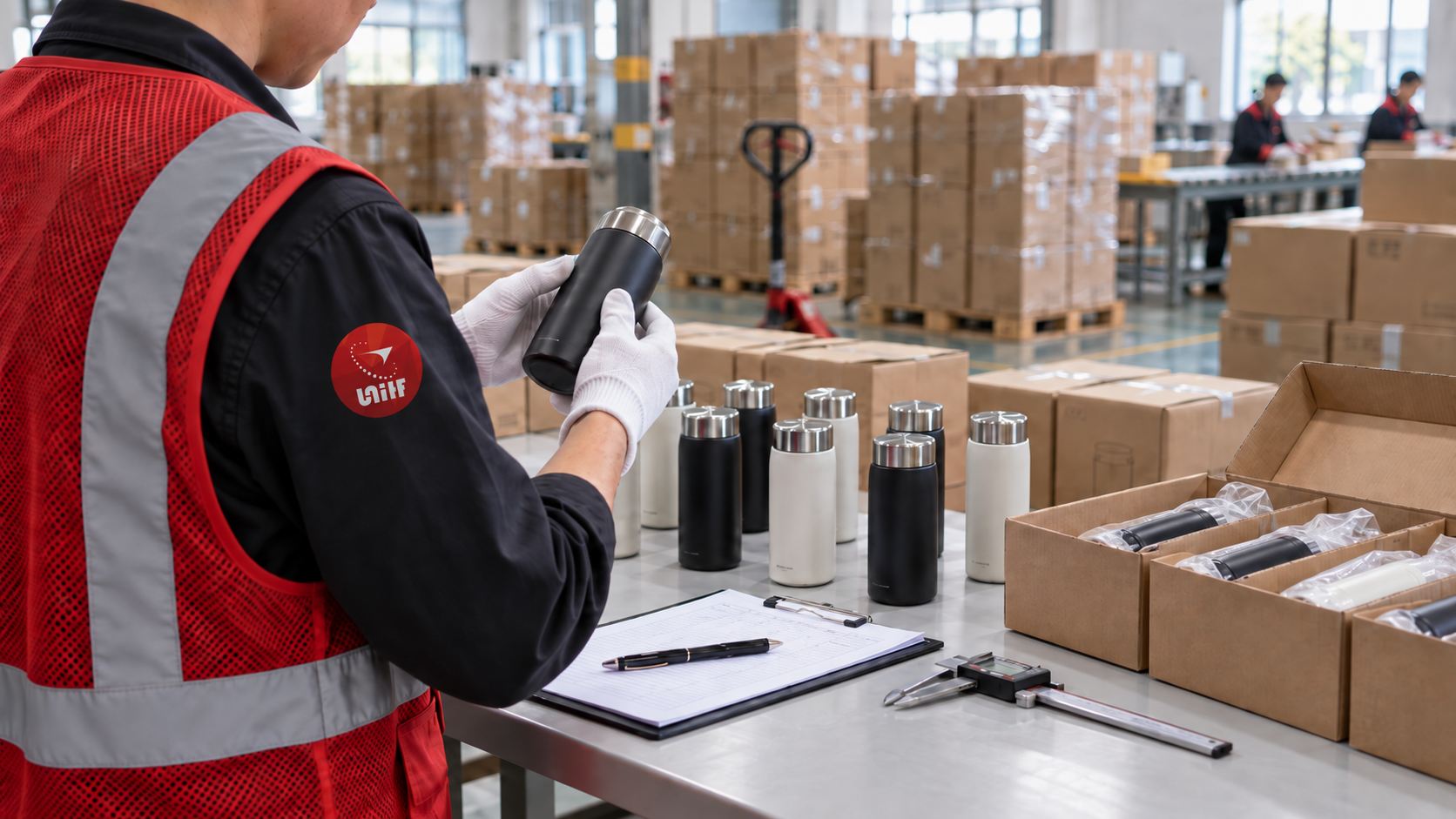
Apparel is a good example because the numbers get big quickly.
If one order has five styles, four colors and five sizes, that gives:
5 styles × 4 colors × 5 sizes = 100 combinations
That does not mean every test is repeated 100 times. It does mean the team has more details to match.
A size M measurement cannot be used for size XL. A care label for one style may be wrong for another. Carton assortment can also be incorrect even when the total number of garments in the carton is right.
For example, an approved carton may call for two S, four M, four L and two XL pieces. The total is 12. A carton with twelve garments can still be wrong if the size mix is off.
Electronics have the same sort of issue in a different form. Two products may look almost identical on the outside but use different plugs or accessories.
For a multi-SKU order, send the SKU sheet with the quotation request. It gives our office team a much clearer picture of the job before inspection time is estimated.
Send Order DetailsTwo orders can use the same sample size and still need very different amounts of time.
Take a basic plastic storage box. The team can check the surface, measure the approved dimensions and see whether the lid fits. There is no operating cycle to wait for.
A rice cooker is different. The inner pot and accessories have to match the approved configuration. The rating information has to be right. If an operating check is included, that also takes time.
Furniture can slow things down for another reason. Some checks need assembly first. A stability check cannot be done while the product is still lying in separate parts.
So “5,000 pcs” does not say much about the inspection time on its own. The product itself matters.
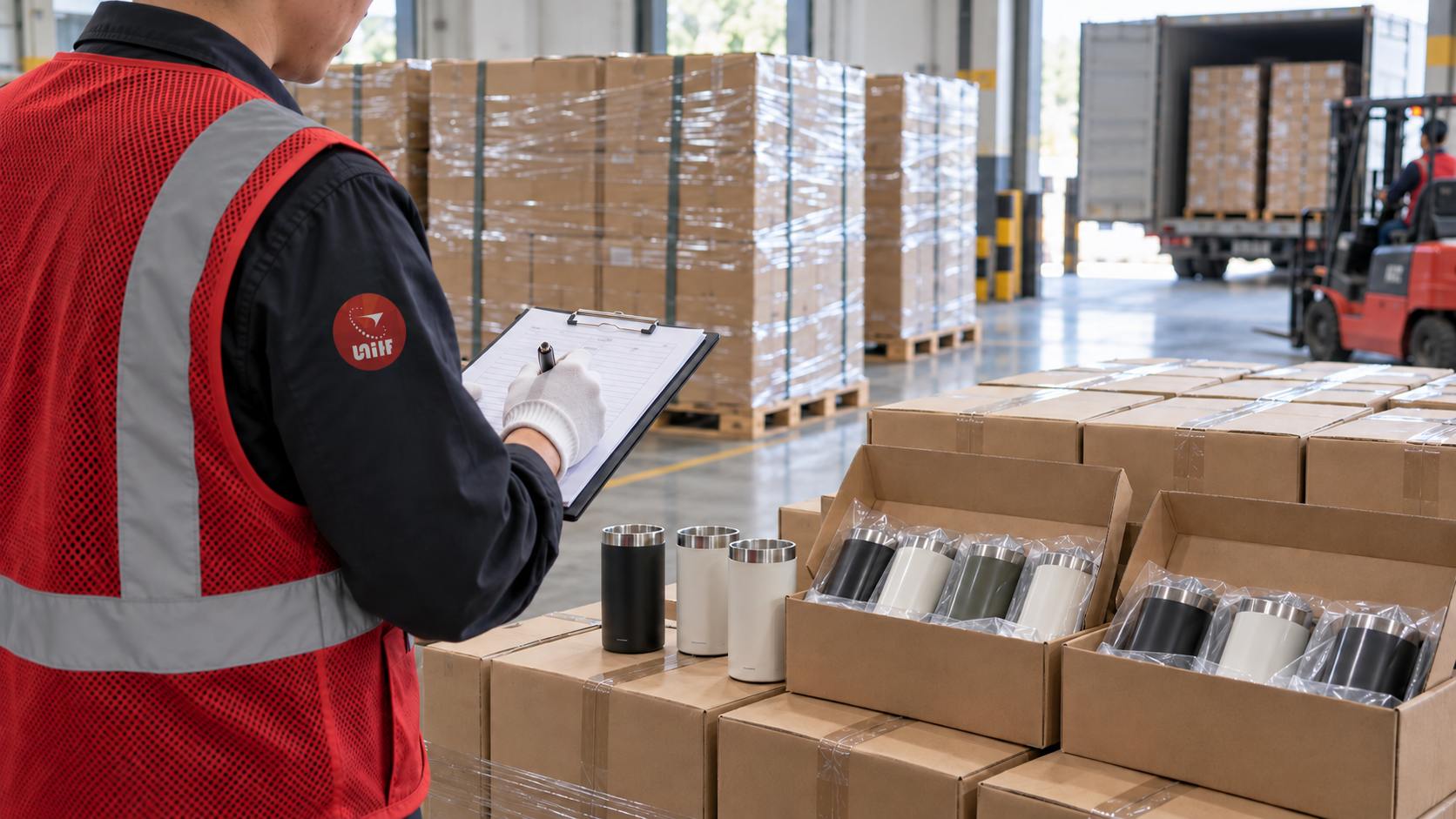
Slow tests are easy to underestimate when they first appear on a checklist.
| Test quantity | 10 minutes per sample |
|---|---|
| 5 samples | 50 minutes |
| 10 samples | 100 minutes |
| 20 samples | 200 minutes |
| 30 samples | 300 minutes |
Twenty ten-minute tests take 200 minutes. That is 3 hours and 20 minutes if they have to be done one after another.
If the same test takes 15 minutes, those twenty samples use five hours.
The rest of the inspection has not disappeared during that time. The workmanship sample still needs attention, and the packaging work still has to be completed.
Some requirements do not belong in a normal factory-site inspection at all. Chemical analysis is an obvious example. Our Product Testing vs. Product Inspection article explains where on-site inspection ends and laboratory testing may be needed.
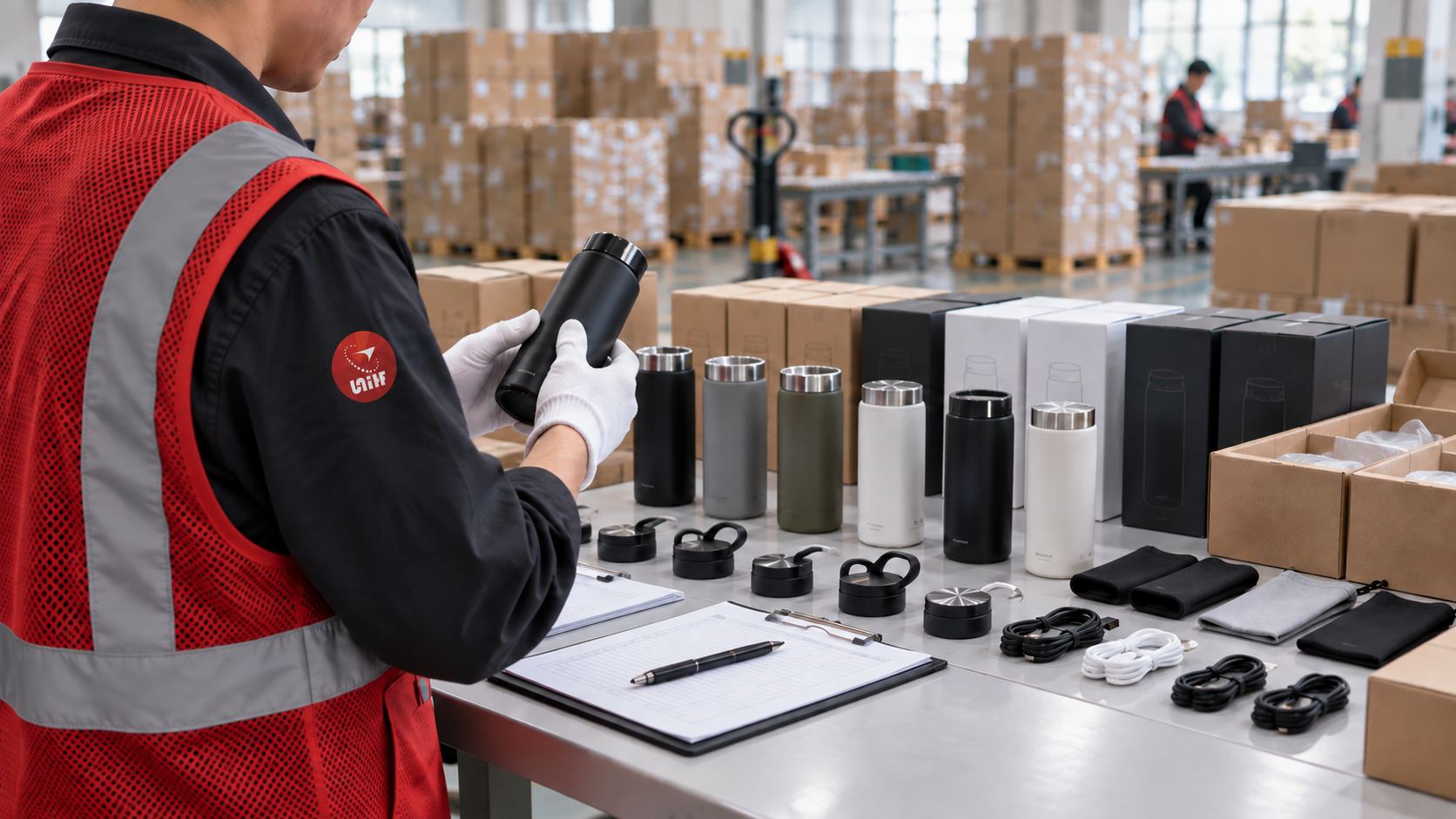
A simple bulk carton is usually easy to understand.
Retail packaging can be more involved. One model may use a different box from another. A manual may change with the language. Accessories can also vary between SKUs.
| Retail pack | Model, artwork and product information |
| Accessories | Correct item and quantity |
| Manual | Correct product and language version |
| Master carton | Quantity and carton marking |
| Barcode | Readable code and correct returned data |
When barcode verification is included, the checked samples should all scan successfully.
If 50 packages are checked and all 50 scan correctly, readability is 100%. If one cannot be read, the result is 49 out of 50, or 98%. That does not meet a 100% readability requirement.
The unreadable barcode should be recorded. After correction, it should be rechecked according to the client's requirements.
The actual factory address matters. A quotation for one site is not automatically a quotation for another.
A buyer may have one purchase order for 5,000 pieces, but the goods can still be split between two locations. Factory A may hold 3,000 units and Factory B the other 2,000.
Samples taken at Factory A cannot represent goods sitting at Factory B. The second site may also be at a different production stage.
If the order is split, send both addresses before the inspection is scheduled.
FRI is a shipment-stage inspection, so the goods need to be ready.
If only 60% of the order is finished, the missing 40% cannot be part of the final random sample. Those goods do not exist in finished form yet.
A later visit may be needed once production is complete.
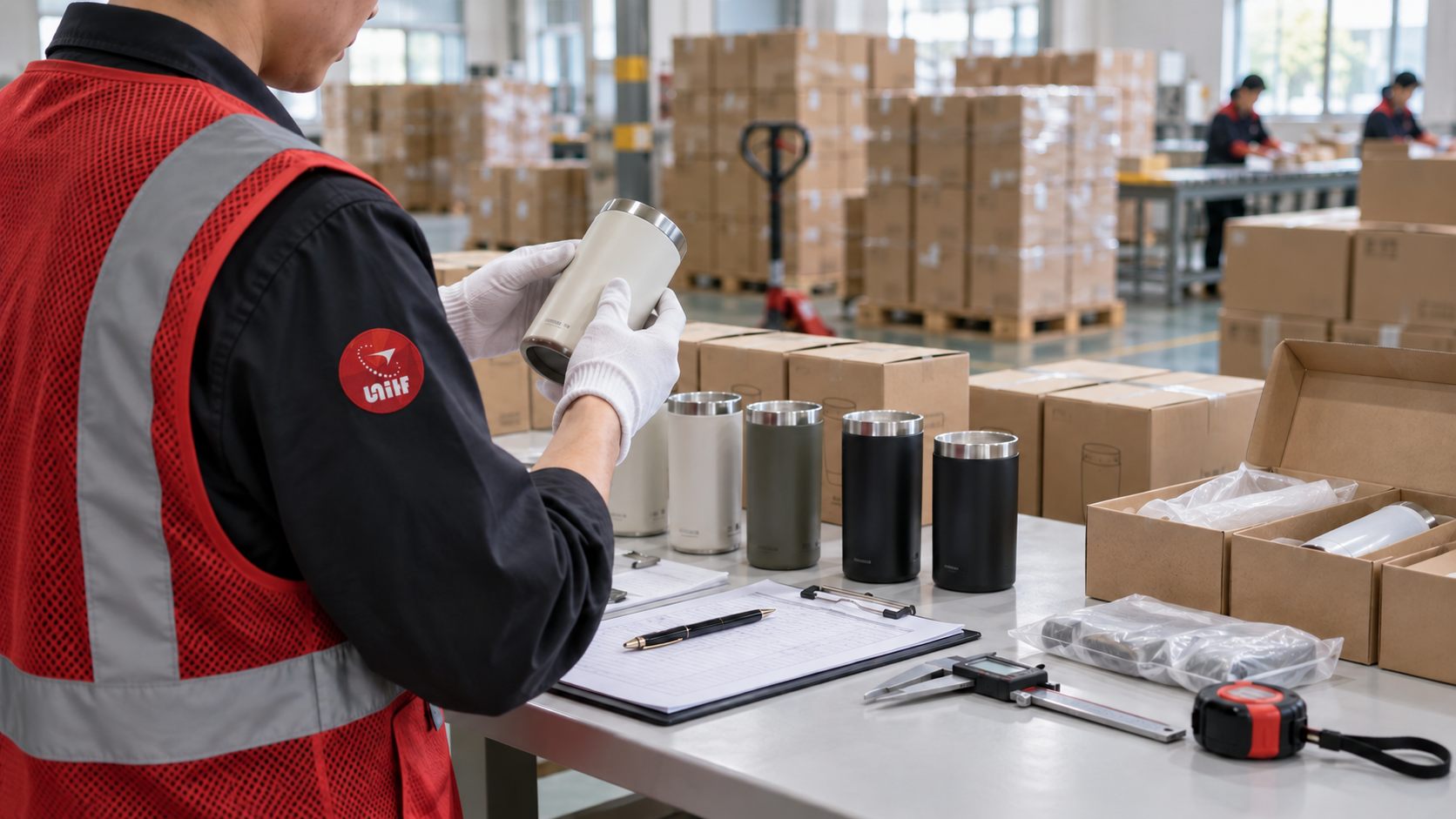
That is why the production status should be checked before the visit is booked. The FRI preparation guide shows the main information that should be ready before inspection.
The inspection fee is not only for the hours spent looking at finished goods inside the factory.
Our office team reviews the information that will be used during inspection. The PO tells us what was ordered. The product specification gives the agreed requirements. Packaging files show which artwork and labels belong to the goods.
If two files disagree, that needs to be cleared up before the visit. The team at the factory should not have to guess which version the buyer meant.
Samples are selected from the available production lot. The agreed workmanship checks are then carried out on those samples.
If the buyer has supplied dimensions, they can be measured. If a function test is part of the scope, the agreed number of samples is tested. Packaging and labels are checked against the files supplied for the order.
Our team organizes the findings for client review. The report can show defect photos, measured results and the findings from the agreed on-site tests.
FRI is normally sample-based. The report gives the buyer evidence from the inspected sample. It does not mean every unit in the whole lot was checked one by one.
Some checks need laboratory equipment or a controlled test method. Those services should be treated separately when they are required.
A sampled FRI and a 100% Full Inspection are very different jobs.
If an order contains 10,000 units, a full inspection checks all 10,000 units for the agreed inspection points. A normal FRI checks the sample set by the agreed sampling plan.
Sometimes the factory completes corrective work after the first inspection. The buyer may then ask for another visit to check the corrected goods.
Using the same US$250 example:
| One-day original FRI | US$250 |
| Original FRI + one-day recheck | US$500 total |
| Two-day FRI + one-day recheck | US$750 total |
A small correction may only need a focused recheck. If the factory has reworked a large part of the shipment, a broader inspection may make more sense.
| Quote A | Quote B |
|---|---|
|
US$190 per man-day 2 man-days US$30 travel Total: US$410 |
US$250 per man-day 1 man-day Normal travel included Total: US$250 |
Quote A has the cheaper day rate. The final project cost is still higher.
The scope matters too. A US$220 quote for workmanship checks only is not the same as a US$280 quote that also covers required measurements and slow function tests.
| Quotation item | What should be clear |
|---|---|
| Man-days | How many working days are being charged |
| Inspection location | Which factory or warehouse the price covers |
| Sampling | The sampling basis used for the shipment |
| Special tests | What will be tested and how many samples are involved |
| Additional charges | Travel or other separately agreed work |
| Re-inspection | How another visit would be charged |
A stable repeat order may only need a final-stage inspection under the buyer's own quality plan.
A new product can be different. If there is a real risk that the supplier is using the wrong material or component, waiting until the entire order is finished may leave little room to fix the problem.
An Initial Production Inspection is normally arranged around 5%–10% production. A During Production Inspection is usually arranged later, around 30%–50%.
Take a 20,000-unit order. At 5% production, about 1,000 units have been made. Around 19,000 have not.
Finding a wrong component at that stage is a very different situation from finding it after all 20,000 pieces are complete.
IPI and DPI are separate visits, so they add to the inspection budget. Buyers usually use them when the production risk makes the extra check worthwhile.
| Product | Product type or model |
| Quantity | Total production quantity |
| SKU count | Number of product variants |
| Factory | Actual inspection address |
| Production status | Expected completion and packing status |
| Inspection date | Target date for the factory visit |
| Special tests | Any test that may take substantial extra time |
“Please quote inspection for 8,000 pcs” leaves a lot unanswered.
“8,000 electrical accessories across 12 SKUs, factory in Shenzhen, FRI next Friday” is much more useful. Add the product specification and packing files, and our office team has a much clearer picture of the job.
Send us the actual order details for a project-specific quotation. Our project service team will review the shipment itself rather than treating the example figures in this guide as a fixed rate.
Request a Quote Final Random InspectionA useful pre-shipment inspection quote should tell you how many man-days are being charged and which factory the price covers. If the order has a long test, several locations or a possible recheck, those points should be clear before booking. Multi-SKU orders also need the real model breakdown. A daily rate on its own may look simple, but without the workload behind it, it does not tell you what the inspection will actually cost.