Tel
+852-61343425
Your lights get checked at the factory before they ship. Our inspector tests electrical safety, function, labels and packaging against the sample and spec you approved — so problems get fixed at the factory, not after arrival.
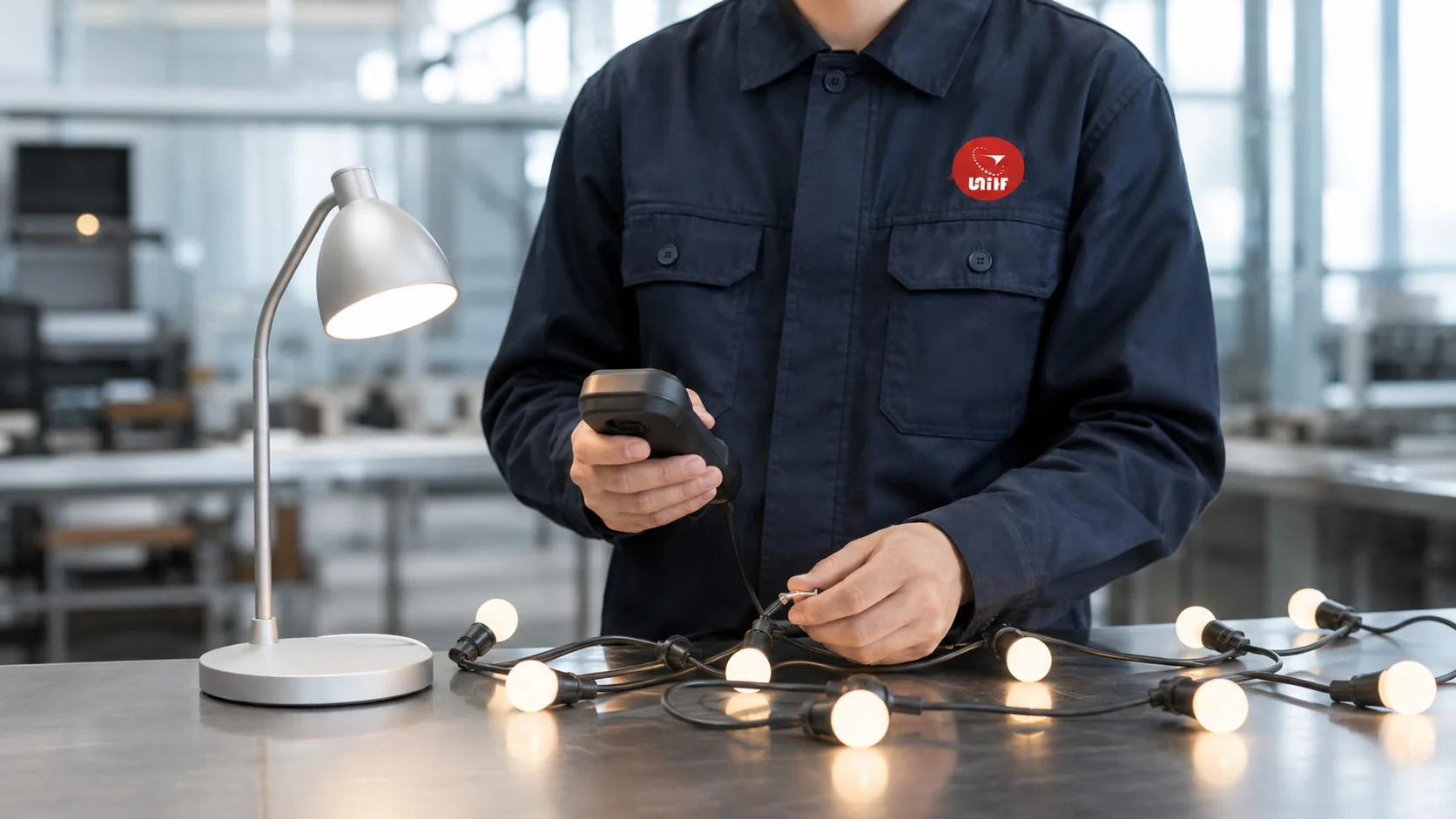
Switching a lamp on is the easy part. Here is what else we check on every order.
Rating labels, wiring, strain relief, connectors and the adaptor or transformer — all checked against your approved spec, not the factory's word.
Every bulb and light section gets switched on. Switches, modes, timers, remotes, Wi-Fi and Bluetooth are tested the way your manual says they should work.
Sharp edges, damaged insulation, loose strain relief, bad welding, missing screws — each issue is photographed and graded critical, major or minor.
Rating plates, warnings, destination languages and market marks compared with your approved artwork. Every barcode is scanned, not just looked at.
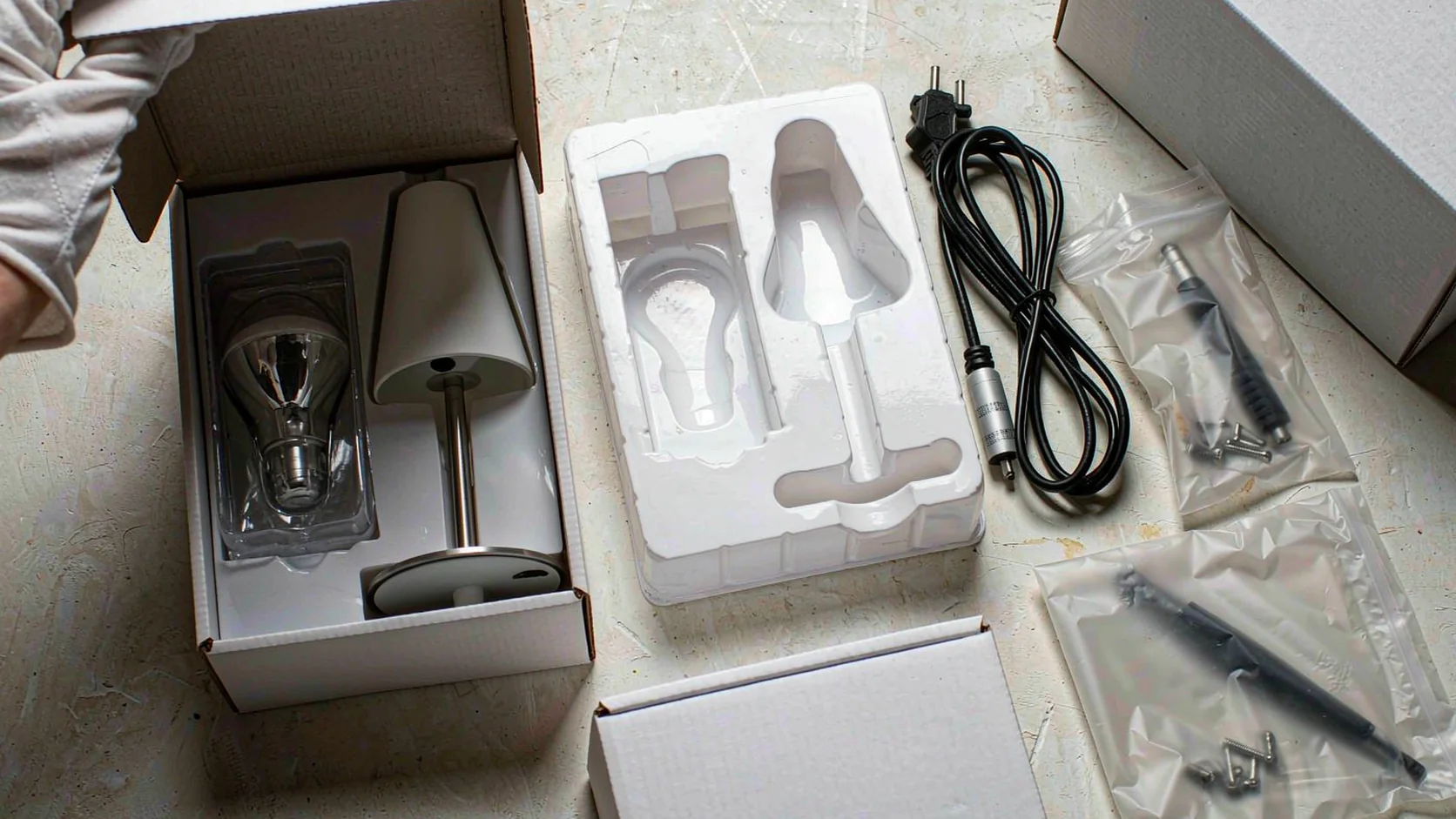
Cartons, inner protection, product position, accessories and shipping marks checked against your packing instruction.
If it plugs in, runs on batteries or lights up, we can inspect it.
Lighting chains & string lightsIndoor and outdoor sets, with or without adaptors, controllers and timers.
Rope lightsIncluding end caps and the higher-force fixation checks these products need.
LED bulbs & luminairesDownlights, panels, tubes, floodlights and replacement bulbs.
Smart lightingWi-Fi, Bluetooth, app-controlled and remote-controlled products.
Decorative & seasonal lightingHoliday, party and event lighting for retail programs.
Battery & solar lightingGarden, camping and emergency lights.

1,500 V for EU Class I, 4,000 V for Class II, 1,200 V for the US. One second, no breakdown.
25 A at 12 V through the earth path of Class I products.
Real power draw measured against the rating plate for your market.
Markings verified; the thermal fuse must trip without flame or molten parts.
Values come from our lighting working instruction. If your approved test document says something different, your document wins.
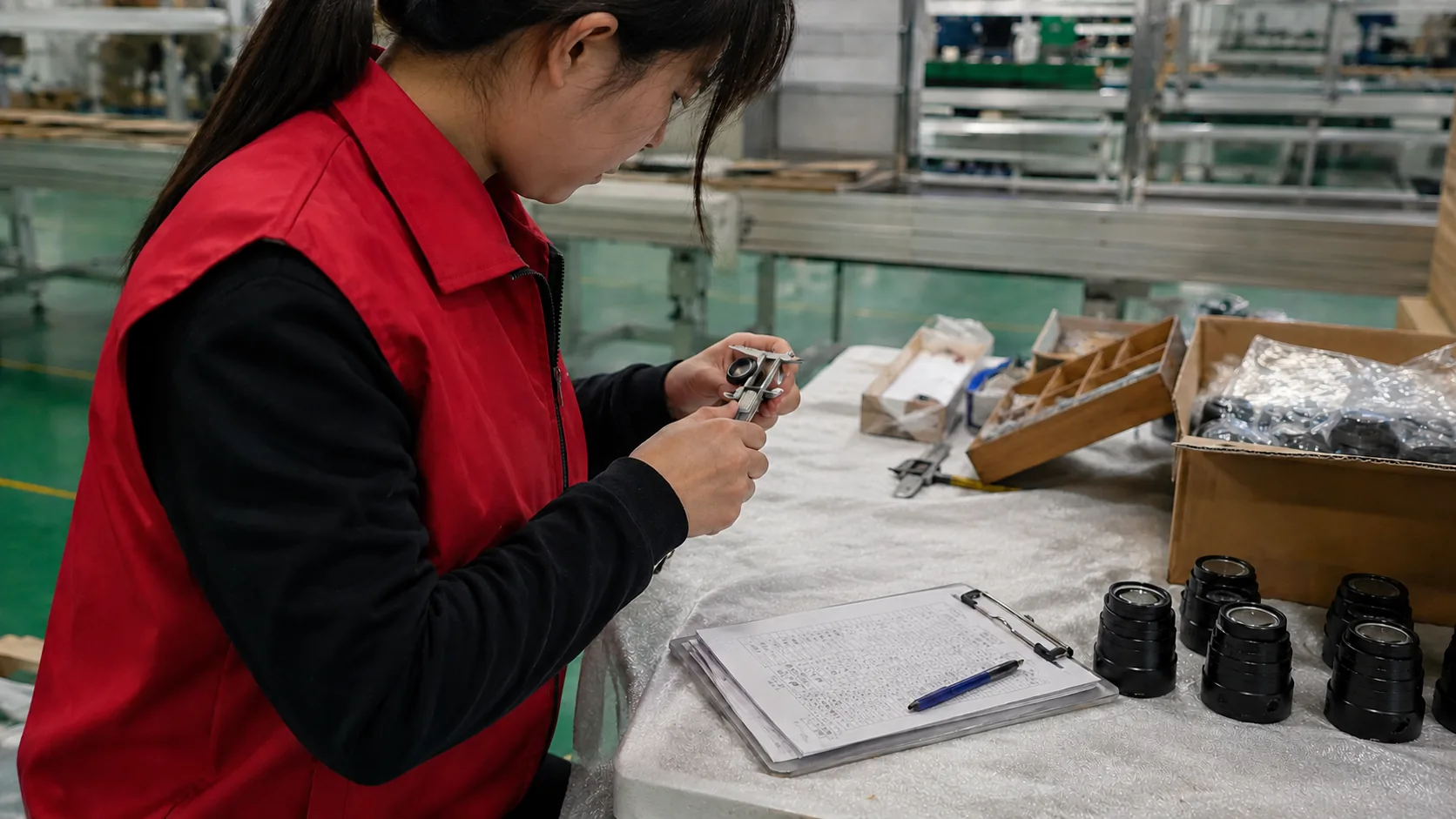
30-minute warm-up, then power factor, color temperature, brightness and beam angle measured.
25 pulls at 40 N — rope lights at 60 N. Nothing may loosen or cut.
Terminals, crimps, screws and insulation checked against the approved build.
4 hours at rated voltage, then opened to check inside.
15-second wet cotton rub. Markings must stay readable.
Seals must stay in place at the lampholder when the lamp is removed.
These are the problems that turn a good purchase order into returns, rework and bad reviews. We look for all of them.
Wrong adaptor or voltage for the marketA US-bound order with the wrong plug or input rating comes back as a container of returns.
Failed hi-pot testInsulation that breaks down under test voltage is a safety recall waiting to happen.
Loose strain reliefThe cord works loose from the lampholder after a few weeks of normal use.
Wrong color temperatureWarm white on the purchase order, cool white in the cartons.
Barcodes that don't scanYour warehouse or marketplace rejects the cartons at receiving.
Crushed cartons, missing accessoriesDamaged retail packs can't go on the shelf and incomplete sets come back.

Our office team reviews your purchase order, SKU list, approved sample, drawings, rating information, packaging artwork, manual and barcode list — and confirms the checklist with you before anyone enters the factory.
Lighting products carry CE, UL, ETL, GS, RCM and other marks depending on the market. We check that what is printed on the product, the gift box and the cartons matches your approved artwork and documents — presence, position, model number and wording.
Rating plates and warnings — voltage, wattage, protection class, safety text and destination-language versions.
Mark consistency — the same model and mark information across product, adaptor, gift box and shipping carton.
Barcode and QR codes — scanned and decoded against your approved SKU and barcode list. 100% must scan.
Honest limits — we verify marks against your paperwork. We don't issue certificates, and a printed logo alone never proves a valid certificate.
A carton that survives the warehouse is part of product quality. When the drop test is in scope, the packed carton is dropped on one corner, three edges and six faces:
After the drops, the carton must still protect the goods, the retail box must still be sellable, and every tested product must work. A carton that stays closed is not a pass if the product inside is damaged.

Guangdong, Zhejiang, Jiangsu, Fujian, Shandong and the rest of the manufacturing belt — including the lighting clusters around the Pearl River and Yangtze River deltas.
Hong Kong SAR of China, the Taiwan region of China, South Korea, Vietnam, Thailand, Malaysia, India, Indonesia, the Philippines, Bangladesh, Pakistan, Turkey and Cambodia.
Early checks at 5–10% of production, mid-production checks at 30–50%, or a final random inspection when goods are finished and at least 80% packed.
We sample by the standard US buyers know. Bigger lots get bigger samples, special tests use their own smaller samples, and the report states exactly how many units each test covered.
Nothing unsafe, ever. One critical finding fails the lot.
Problems that stop the product working or selling.
Small cosmetic flaws that don't stop normal use.
These are our lighting working-instruction defaults. Your own approved criteria can replace them on any order.
PO, SKU list, approved spec, sample photos, packaging artwork, manual and barcode list.
Our office reviews every document and asks you first when anything conflicts.
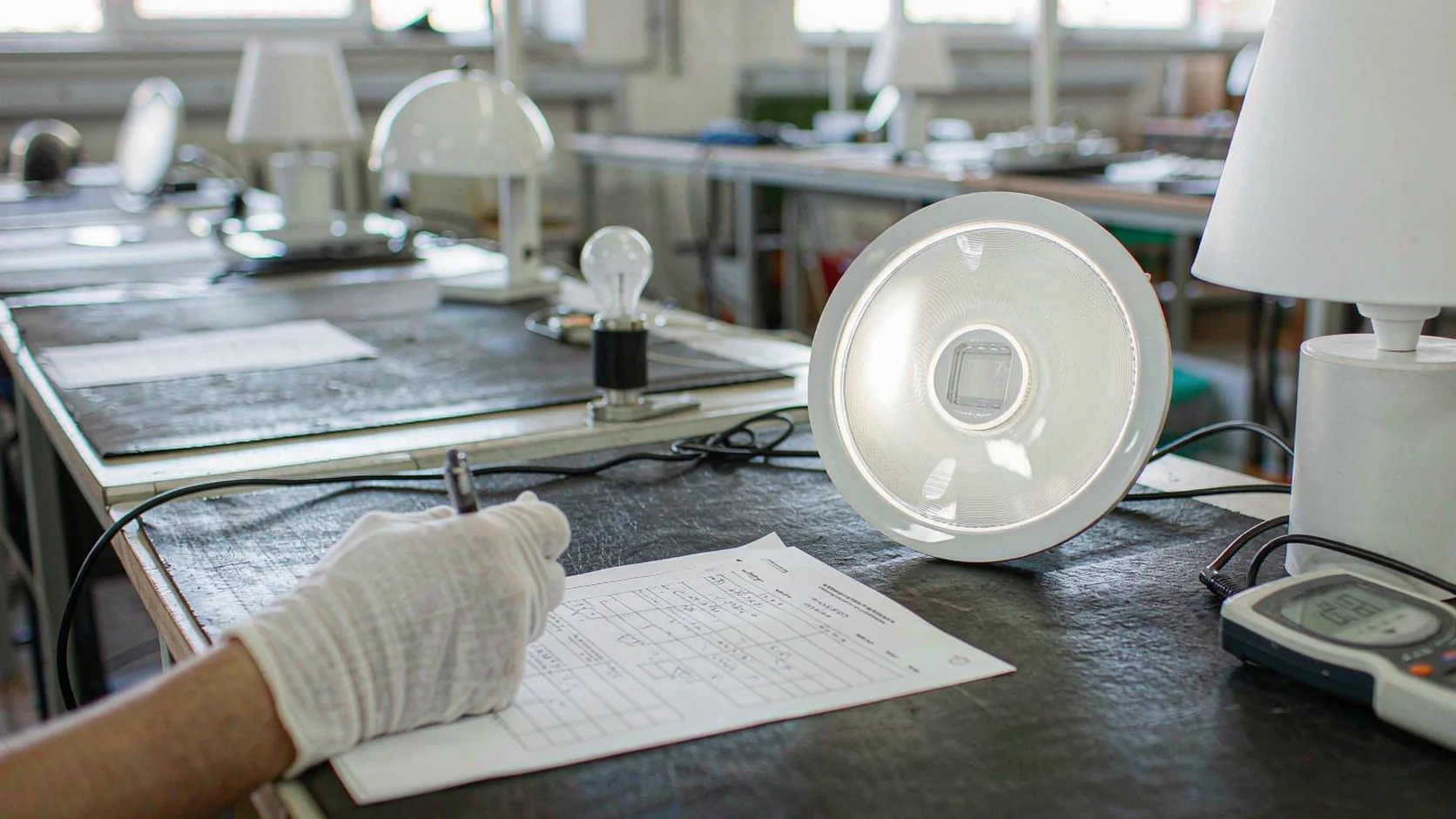
A full-time UTS engineer runs the checklist at the factory and photographs everything.
You get the PDF report with photos and decide: ship, rework or reject.
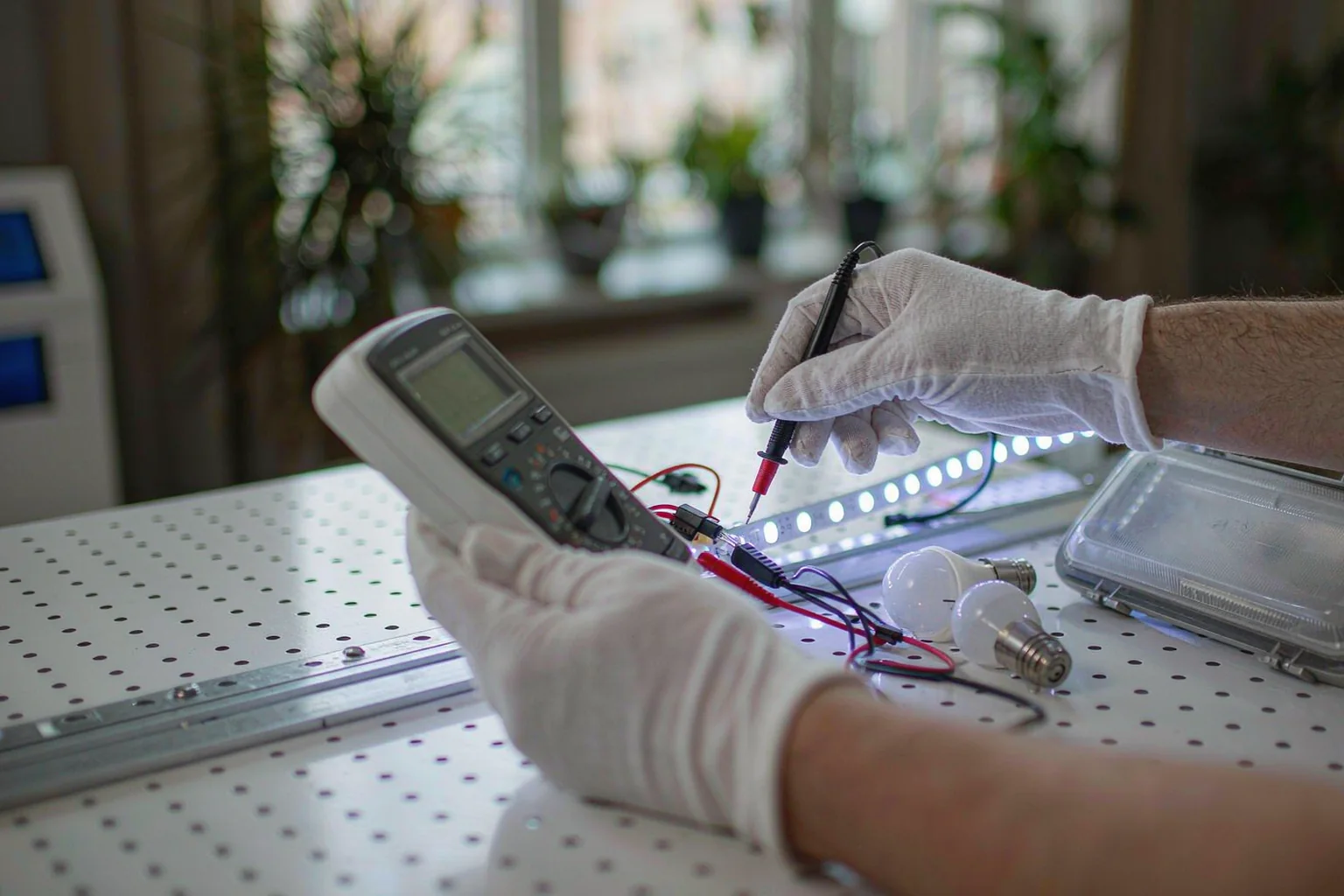
Full-time, university-educated engineers. Your inspection is done by our own staff, not freelancers.
Book online in minutes. The order portal takes your PO and factory details directly.
No travel fees, no weekend surcharges. The quoted inspector-day rate is the full cost.
English-speaking coordinators. One contact from booking to report, with updates at every stage.
The report shows production and packing status, lot size, sampled SKUs, the AQL applied, defect counts with photos, every test quantity, equipment settings and actual measurements — including any test that could not be performed and why.
Clear pass / fail / hold result so you can release, rework or reject with evidence in hand.
Re-inspection after rework confirms the fixes and checks for new problems before you ship.
An inspection does not replace certification or lab testing. We don't issue certificates, and the release decision always stays with you.
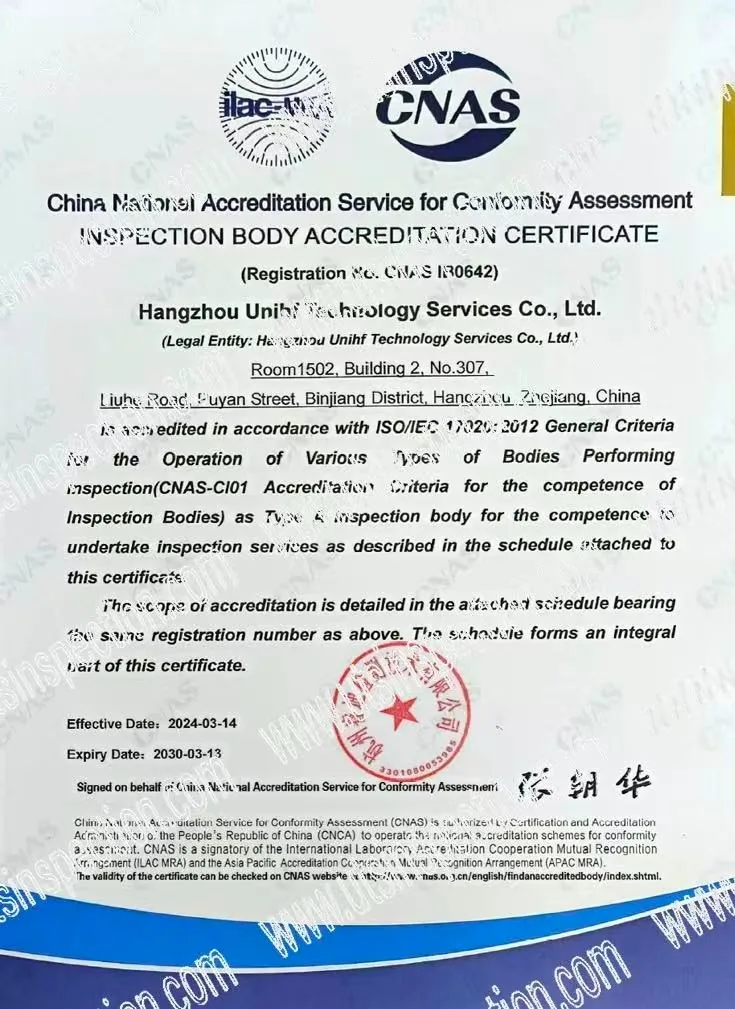
UTS is accredited by CNAS against ISO/IEC 17020 — the international standard for inspection bodies — and runs an ISO 9001:2015 quality management system. We have been inspecting products for importers since 2006.

Importers, retailers and brands across the US and Europe use UTS for pre-shipment quality control.








No. Inspection verifies that sampled products match your approved spec and order requirements. It does not replace design validation, certification, laboratory testing or destination-market regulatory assessment.
Yes. ANSI/ASQ Z1.4 at General Inspection Level II is our baseline, with Critical: none permitted, Major: AQL 1.0 and Minor: AQL 4.0 as defaults. Your checklist, defect history and AQL criteria can replace the defaults on any order.
Tests are matched to your exact model, protection class, market, adaptor setup and approved spec. Typical items include hi-pot, earth continuity, input power, function and control checks, light performance, wiring fixation, internal construction, endurance, marking durability, barcode readability and a carton drop test where applicable.
Defective samples are labeled, photographed and classified in the report. You decide on rework, acceptance or rejection — a re-inspection can be booked after the factory reworks the goods.
Pricing is per inspector-day and depends on the factory location and the workload of your order. There are no travel fees and no weekend surcharges. Send your PO and factory address for an exact quote.
The purchase order, SKU breakdown, approved spec, approved sample references, drawings, rating information, packaging artwork, instruction manual, barcode list and any test requirements you want added.
Send your PO and approved specification — we confirm the checklist with you, then deploy a full-time UTS engineer to the factory.