
Tel
+852-61343425
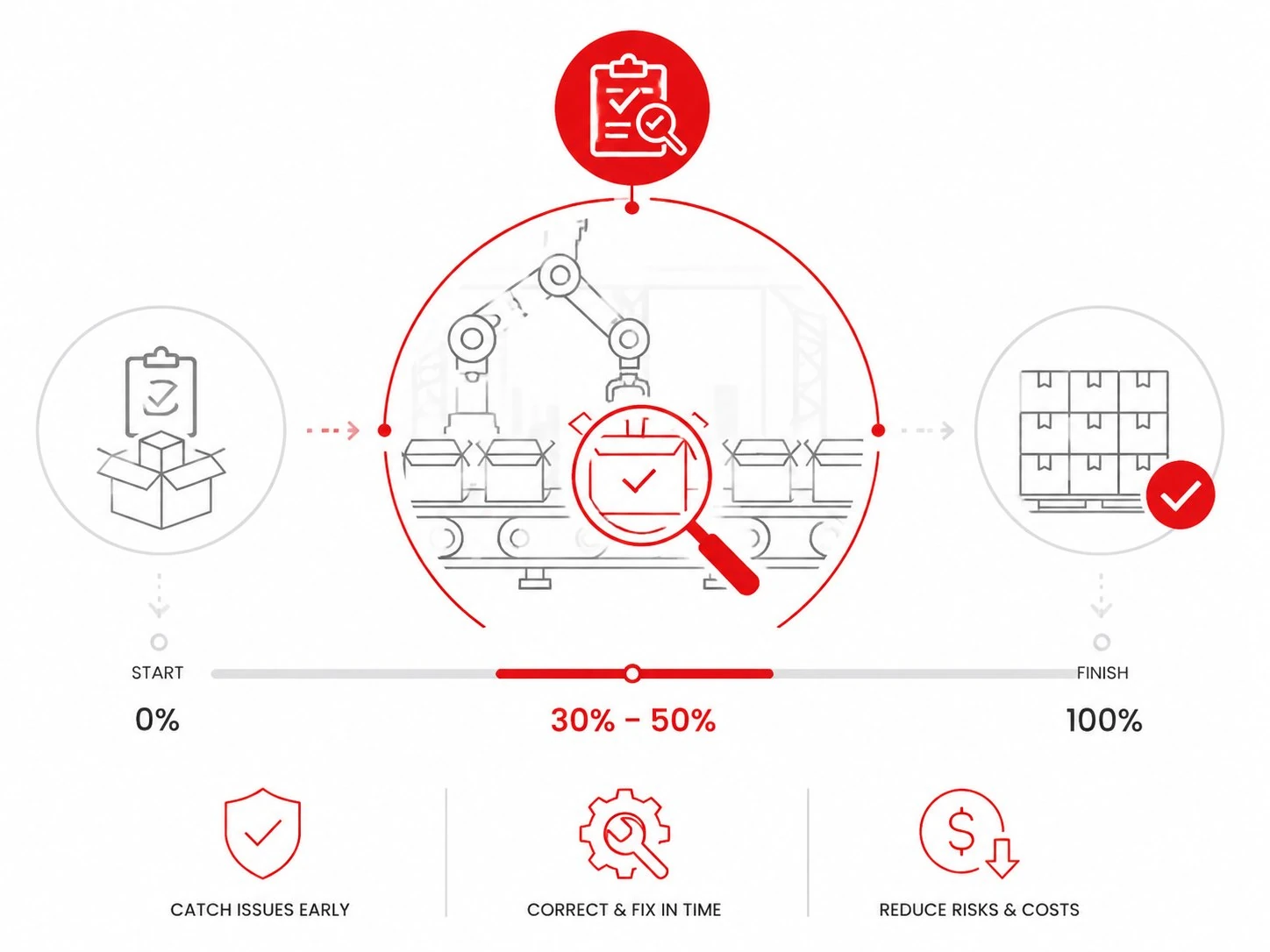
Catch quality defects before they become costly problems. Our DPI service verifies your products mid-production—when 30-50% of goods are finished—so you can correct issues early and keep your shipment on schedule.
During Product Inspection—also referred to as DUPRO (During Production Inspection)—is a quality control checkpoint performed at the critical mid-production stage. It takes place when 30% to 50% of your goods are finished and packed into export cartons, giving you a window to identify and correct quality problems before mass production is complete.
Quality problems often emerge during mass production—even after a perfect pre-production sample. DPI is your early warning system: it verifies that the factory's production line is delivering consistent quality that matches your approval sample and specifications, helping you avoid costly shipment delays.
Unlike a final inspection that happens after everything is produced, DPI gives you the power to course-correct while there's still time. If issues are found, the factory can fix the remaining 50-70% of production before it's too late.
Skipping mid-production inspection is one of the most expensive mistakes an importer can make. Here's why smart buyers include DPI in every quality control plan.
Identify quality issues when only 30-50% of goods are produced. The factory still has time to fix problems in the remaining production batch before shipping deadlines.
When defects are found at final inspection, the entire shipment gets delayed. DPI catches issues early so corrections happen during production, keeping your timeline intact.
Fixing 1,000 defective units found at the 30% mark costs dramatically less than reworking 10,000 units discovered after full production is complete. Early detection saves money.
Ensure the factory's mass production quality matches your approval sample. Production line variations in people, materials, and environment can cause drift—DPI catches this drift.
Every defective product that reaches your customer damages your brand. DPI acts as a safety net, preventing quality failures from reaching store shelves and end consumers.
Receive a detailed inspection report within 24 hours showing exactly what's happening on your production line. Make informed decisions with data, not guesswork.
UTS offers three core product inspection services at different production stages. Here's how they compare.
| Dimension | IPI (Initial Production Inspection) | DPI (During Product Inspection) | FRI (Final Random Inspection) |
|---|---|---|---|
| Core Objective | Source gatekeeping — ensure production starts right | Mid-course correction — catch problems early | Shipment confirmation — verify final quality |
| Production Stage | 5% – 10% of goods produced | 30% – 50% of goods produced & packed | 100% production complete, 80% packed |
| Sampling Standard | Flexible, reference to approval sample | Based on AQL standards or client requirements | Strict ANSI/ASQ Z1.4 (ISO 2859-1) compliance |
| Key Value | Identify early production deviations | Correct issues while production continues | Final confirmation of full batch quality |
| Best For | New products, complex designs, new suppliers | High-value orders, long production runs, tight deadlines | All orders as standard final checkpoint |
| Risk Mitigation | Prevents wrong-start from going too far | Prevents problems from growing into full-batch failures | Prevents defective goods from leaving the factory |
Not every order requires mid-production inspection. Here are the scenarios where DPI delivers the highest return on investment.
When your order value exceeds $50,000, the cost of a failed final inspection is significant. DPI at the 30% stage gives you insurance: if there's a systemic quality problem, the factory still has 70% of production to fix it—saving you from an entire batch rejection.
Orders with 4-8 week production cycles benefit enormously from a mid-point check. Catching a process issue in week 3 means the factory has 3+ weeks to adjust. Without DPI, you might not discover the problem until week 7—when there's no time to fix anything.
The first 2-3 orders with a new factory carry the highest risk. DPI gives you an early read on whether the supplier can maintain quality at scale—not just on a pre-production sample. If they can't, you discover it early enough to make alternative arrangements.
Products with multiple components, tight tolerances, or custom specifications are more likely to develop quality drift during mass production. DPI verifies that every production step—assembly, finishing, packaging—is being executed to your specifications before it's too late to adjust.
UTS follows a rigorous 5-step process for every During Product Inspection. Here's exactly how we protect your quality.
We work with you to finalize the inspection criteria: your approval sample, product specifications, defect definitions, and AQL acceptance levels.
Our inspector randomly selects samples from the 30-50% of finished goods following ANSI/ASQ Z1.4 statistical sampling procedures to ensure representative coverage.
Every sampled unit undergoes physical testing: visual checks, functional tests, dimension measurements, packaging verification, and workmanship assessment.
Defects are categorized as Critical (0 AQL), Major (2.5 AQL), or Minor (4.0 AQL). If defect counts exceed AQL limits, the batch is flagged for corrective action.
You receive a detailed PDF report within 24 hours with photos, defect data, and a clear Pass/Fail recommendation so you can decide on next steps immediately.
Our DPI inspection covers every aspect of your product's quality. Here's the complete checklist our inspectors work through.
Don't wait until final inspection to discover quality problems. Book your During Product Inspection now and catch defects when there's still time to fix them.
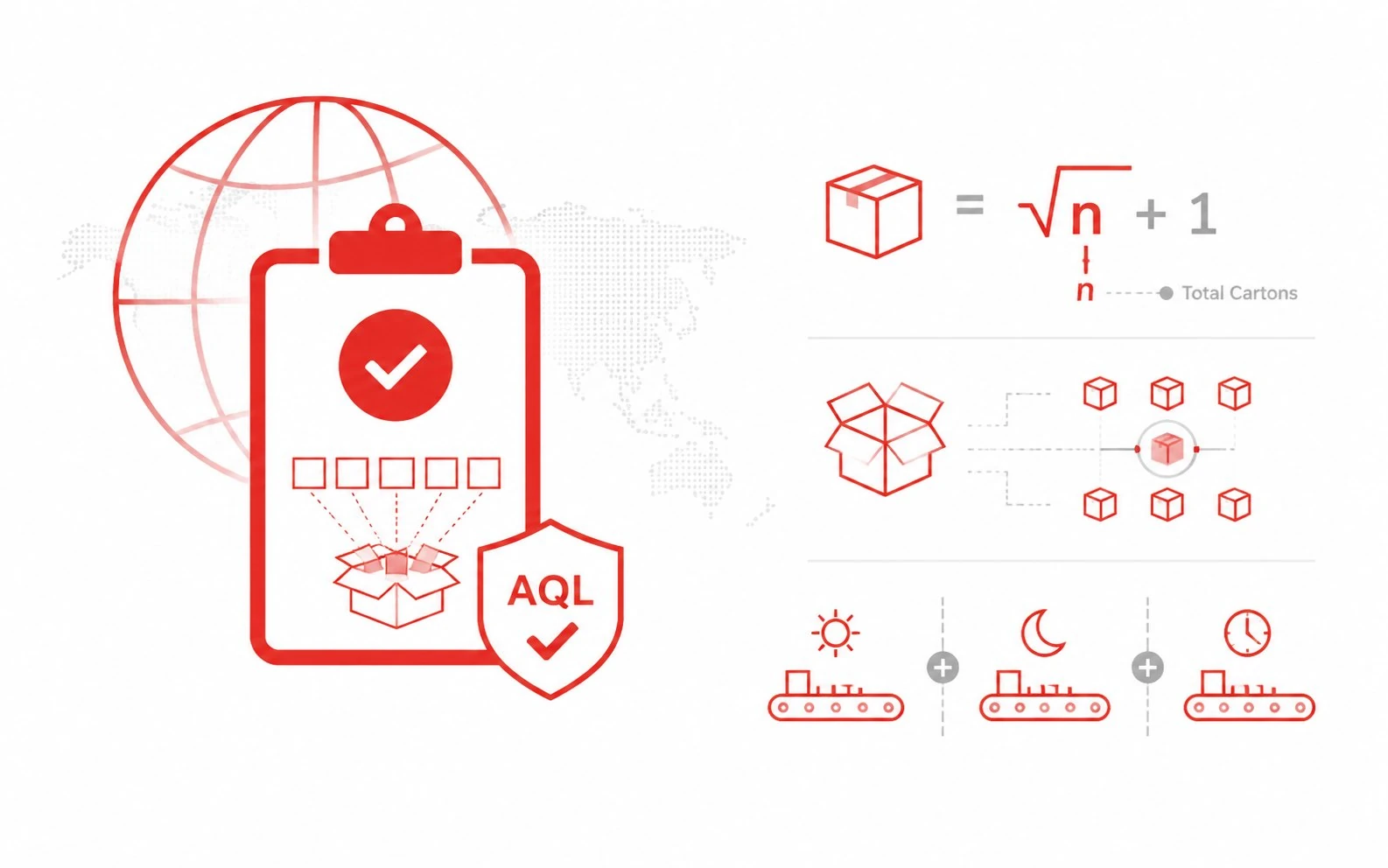
Get Your DPI Quote TodayUTS conducts every DPI inspection using the ANSI/ASQ Z1.4 (ISO 2859-1) statistical sampling standard—the most widely accepted AQL methodology used by US and European importers worldwide.
This standard defines exactly how many units to inspect based on your total order quantity, ensuring statistically valid results without inspecting every single piece. Our sampling method follows the √(total cartons) + 1 formula for carton selection, combined with random unit sampling within each selected carton.
When production batches are split across different shifts, material lots, or production lines with downtime exceeding 2 hours, we treat each as a separate inspection lot—ensuring no quality variation goes undetected.
Every defect found during DPI is classified into one of three categories with specific AQL acceptance limits.
Hazards that could cause injury to users or violate mandatory safety regulations. Examples: exposed live wires, small parts detachment on toys, sharp edges accessible to children, product non-compliance with US/EU safety standards. Zero tolerance.
Issues that affect product functionality, durability, or salability. Examples: non-functioning buttons, dimensional deviations beyond tolerance, cracked housing, stitching failure, color mismatch beyond acceptable range. Limited to 2.5% AQL.
Slight cosmetic imperfections that do not affect product use or safety. Examples: minor scratches under 1mm, slight surface marks, subtle color variation in non-visible areas. Limited to 4.0% AQL.
UTS DPI inspection covers a wide range of product categories across major manufacturing sectors in China and Asia.
Appliances, audio equipment, chargers, power banks, home electronics
Clothing, footwear, fabrics, bags, home textiles, accessories
Plush toys, action figures, educational toys, ride-ons, art supplies
Indoor/outdoor furniture, decor, storage, lighting, home improvement
Cookware, utensils, small kitchen appliances, tableware, food containers
With 19+ years of product inspection in China, UTS brings unmatched reliability to your quality control process.
Every inspector signs an integrity pledge and uses GPS check-ins at factory gates. No factory can influence inspection results. Integrity is our core product.
Need an inspector fast? We deploy a certified inspector to any major factory in China or across Asia within 48 hours of booking—no delays, no excuses.
Our inspectors are degreed, full-time quality engineers—not outsourced freelancers. They undergo continuous product training and on-the-job performance assessments.
Your detailed PDF inspection report—with photos, defect data, and clear Pass/Fail recommendation—is delivered within 24 hours of inspection completion.
Communicate in English throughout the process. Your dedicated account coordinator handles booking details, clarifies report findings, and keeps you updated on inspection progress.
No extra charges for travel expenses. No weekend inspection surcharges. What we quote is what you pay—transparent pricing, every time.
UTS holds the highest level of international accreditation for product inspection in China. Your DPI reports carry legal and commercial weight worldwide.
International standard for inspection bodies. Certified since 2016, recognized by 77+ countries under ILAC mutual recognition.
China National Accreditation Service accreditation against ISO/IEC 17020:2012 for inspection activities across Asia.
Fully licensed by China's General Administration of Quality Supervision, Inspection and Quarantine for compliance and inspection services.
Certified internal quality management system ensuring consistent, reliable inspection processes across every project.
UTS covers all major manufacturing regions across China and 13 countries in Asia. We deploy inspectors where your factories are.
Real scenarios where During Product Inspection saved importers from costly quality failures.
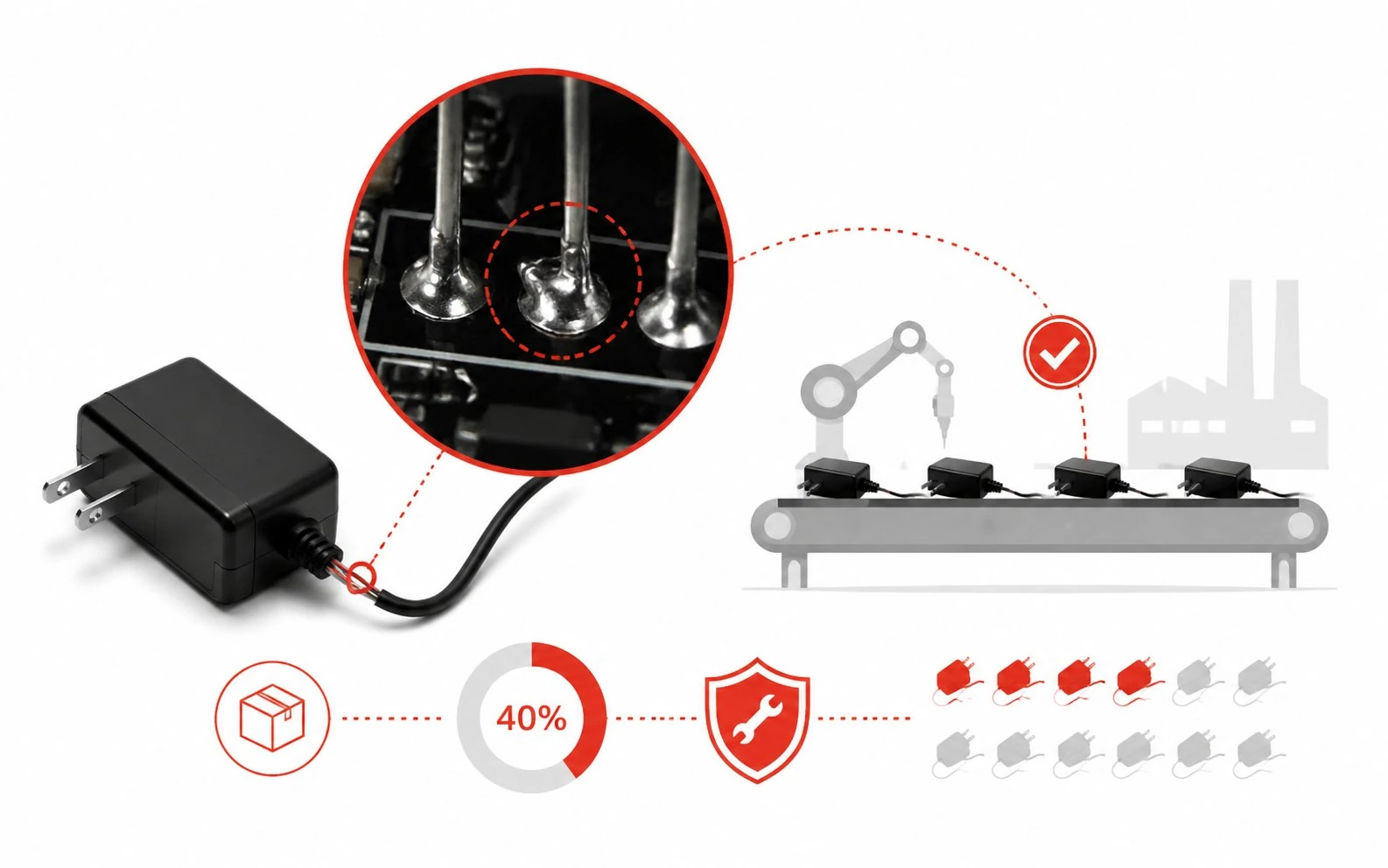
A US importer ordered 15,000 power adapters. During DPI at 40% completion, our inspector found inconsistent solder joints on 12% of sampled units—a major defect. The factory reworked the soldering process for the remaining 60% of production, saving the entire order from rejection at final inspection.
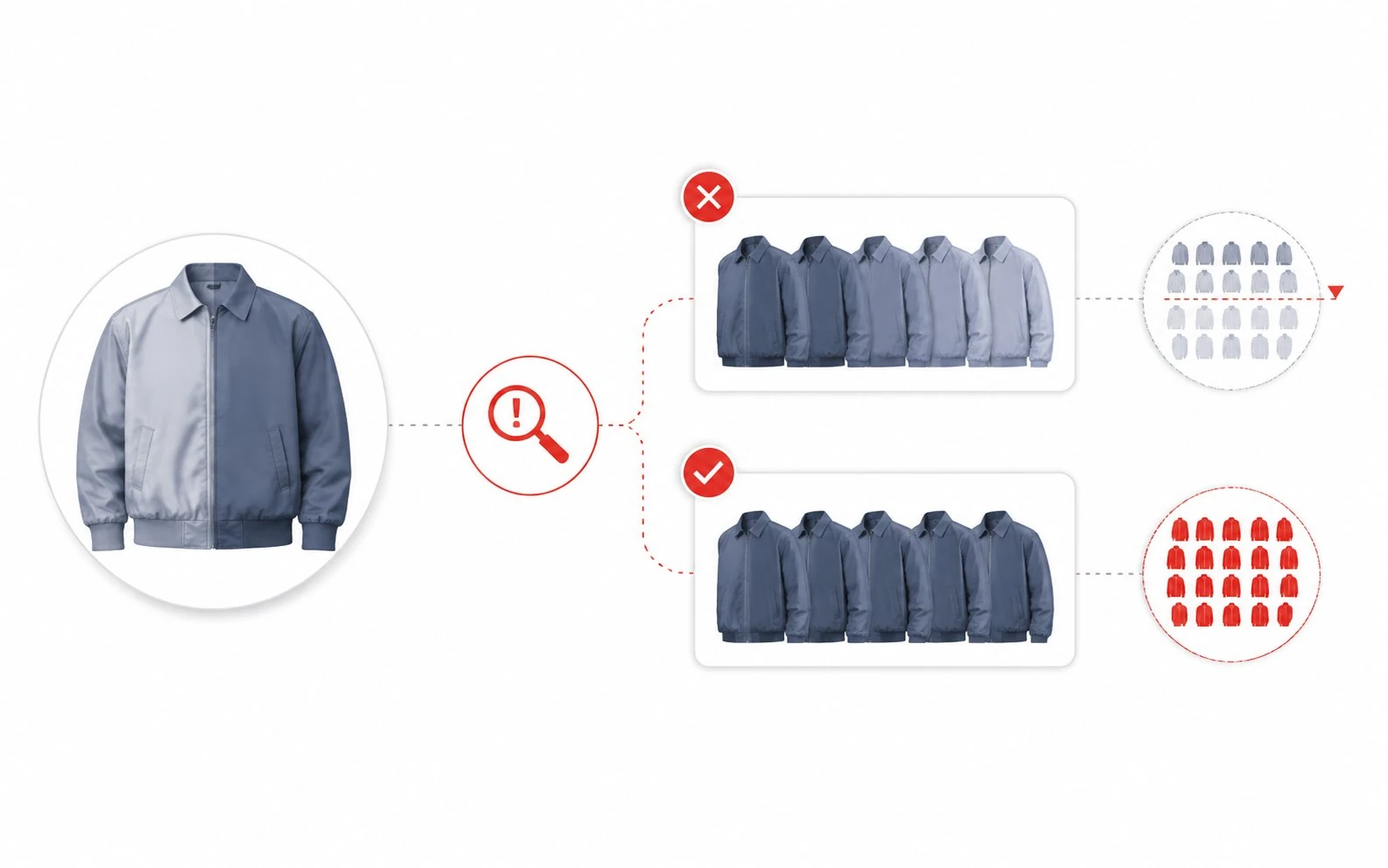
A European fashion brand's 8,000-piece jacket order showed progressive color drift across production batches. DPI at 35% completion revealed the dye concentration was depleting. The factory recalibrated immediately, preventing 5,200 jackets from being produced in the wrong shade.
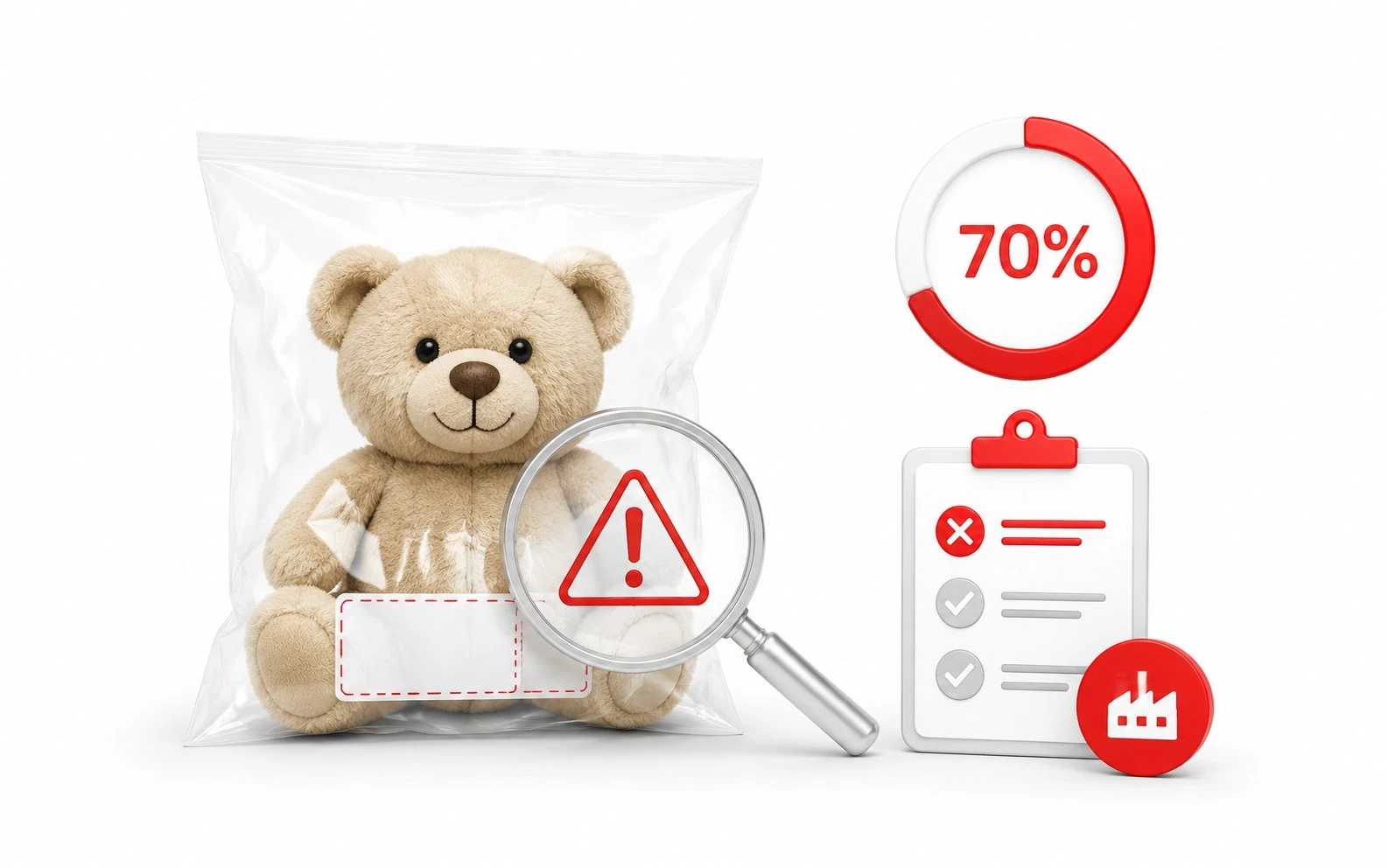
A toy distributor's order for 20,000 plush toys was flagged during DPI: polybag suffocation warning labels were missing on 70% of sampled units. This critical compliance issue would have caused Amazon FBA rejection and potential regulatory fines. The factory corrected labeling for all remaining production.
Common questions about During Product Inspection answered by our quality experts.
Book your During Product Inspection with UTS today. Catch defects early, keep your timeline on track, and ensure every product meets your quality standards.
Start Your DPI Inspection Now