Tel
+852-61343425
Your supplier says the fabric is fine. We go to the factory and check it ourselves — weight, width, shade, surface defects and roll count, all against your approved sample. So a bad roll never becomes a bad order.
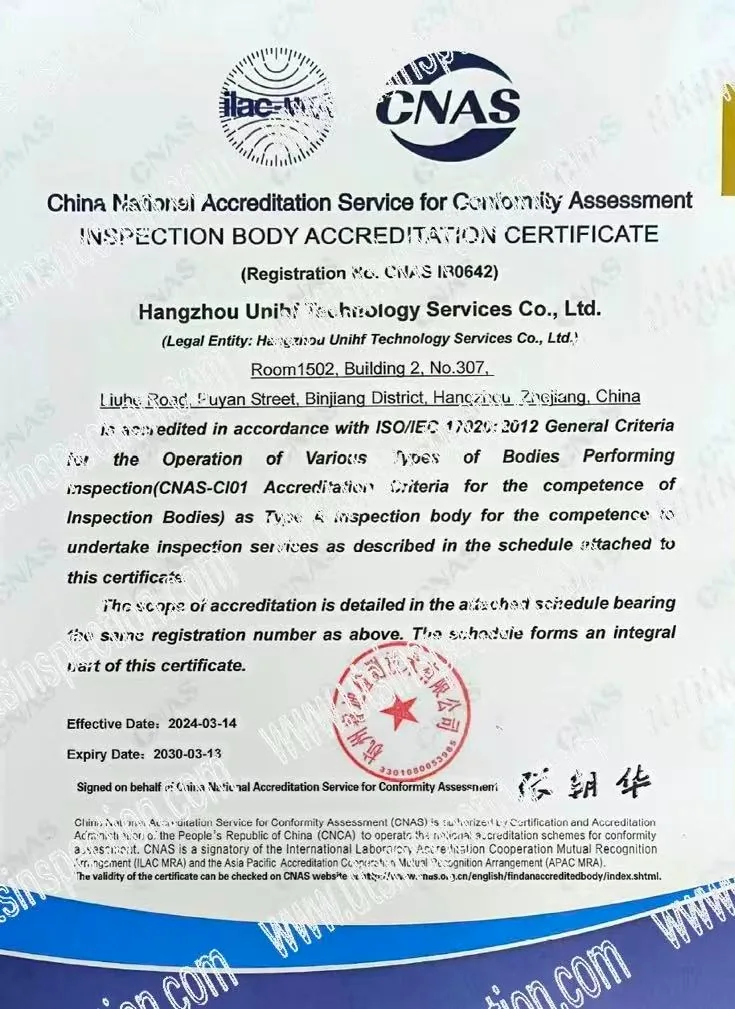
CNAS-accredited to ISO/IEC 17020 · Full-time inspectors, never freelancers · Serving importers since 2006
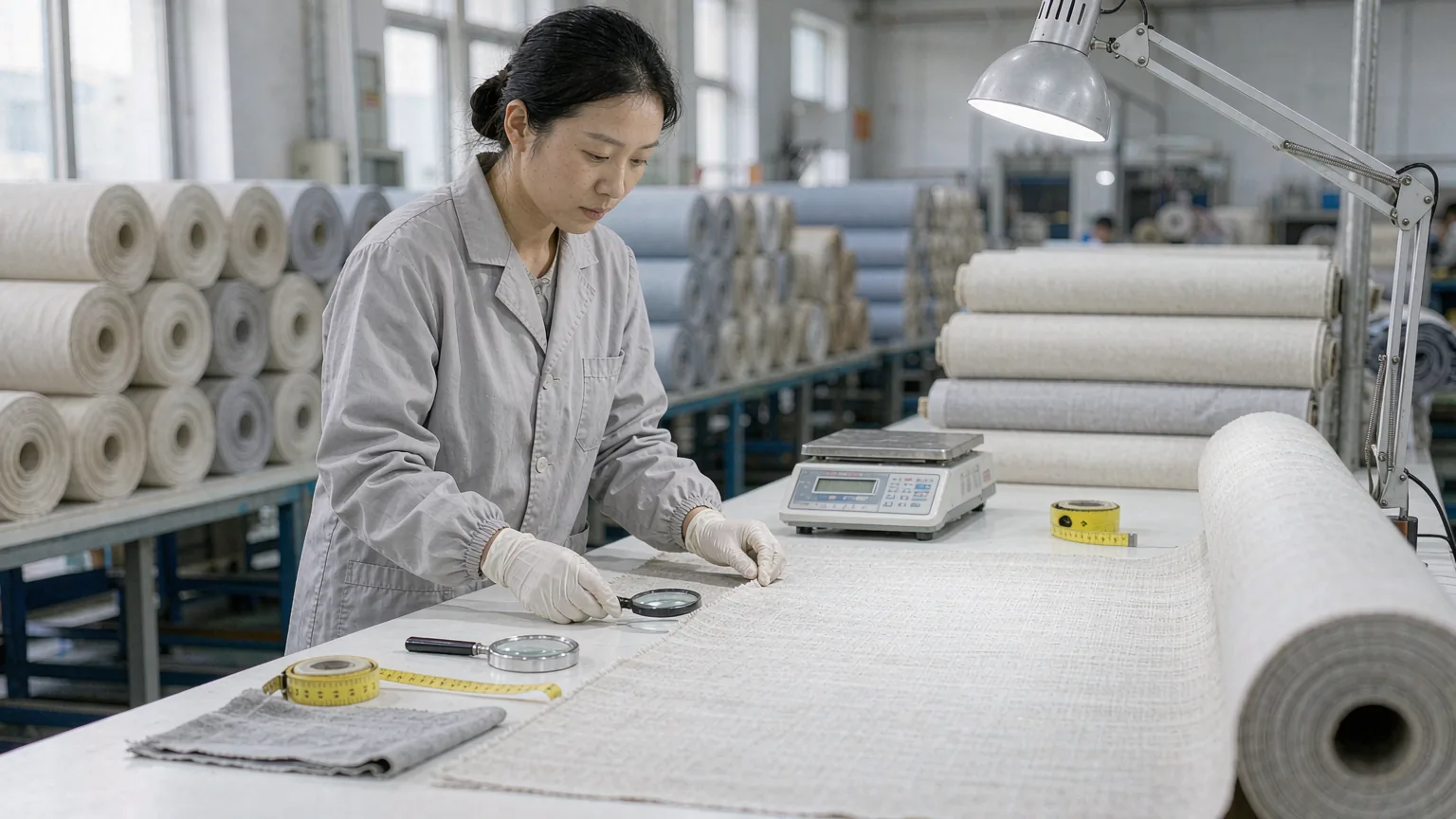
Three real findings from our textile inspection work. Every one was caught before the buyer paid the balance.
4% of the fabric had oil stains. Shipped as-is, that alone could have pushed returns toward 15%. The factory sorted the goods and swapped in clean fabric before loading.
To the naked eye the shipment looked identical to the sealed sample. The colorimeter said ΔE 1.8 against a ΔE≤1.0 spec. The batch went back for re-dyeing in China — not to German stores.
Fabric contracted at 150 g/m² came in at 130 g/m². That 13% shortfall changes the drape, the stiffness and how the garment feels in a customer's hands. It shows up later — in your reviews.
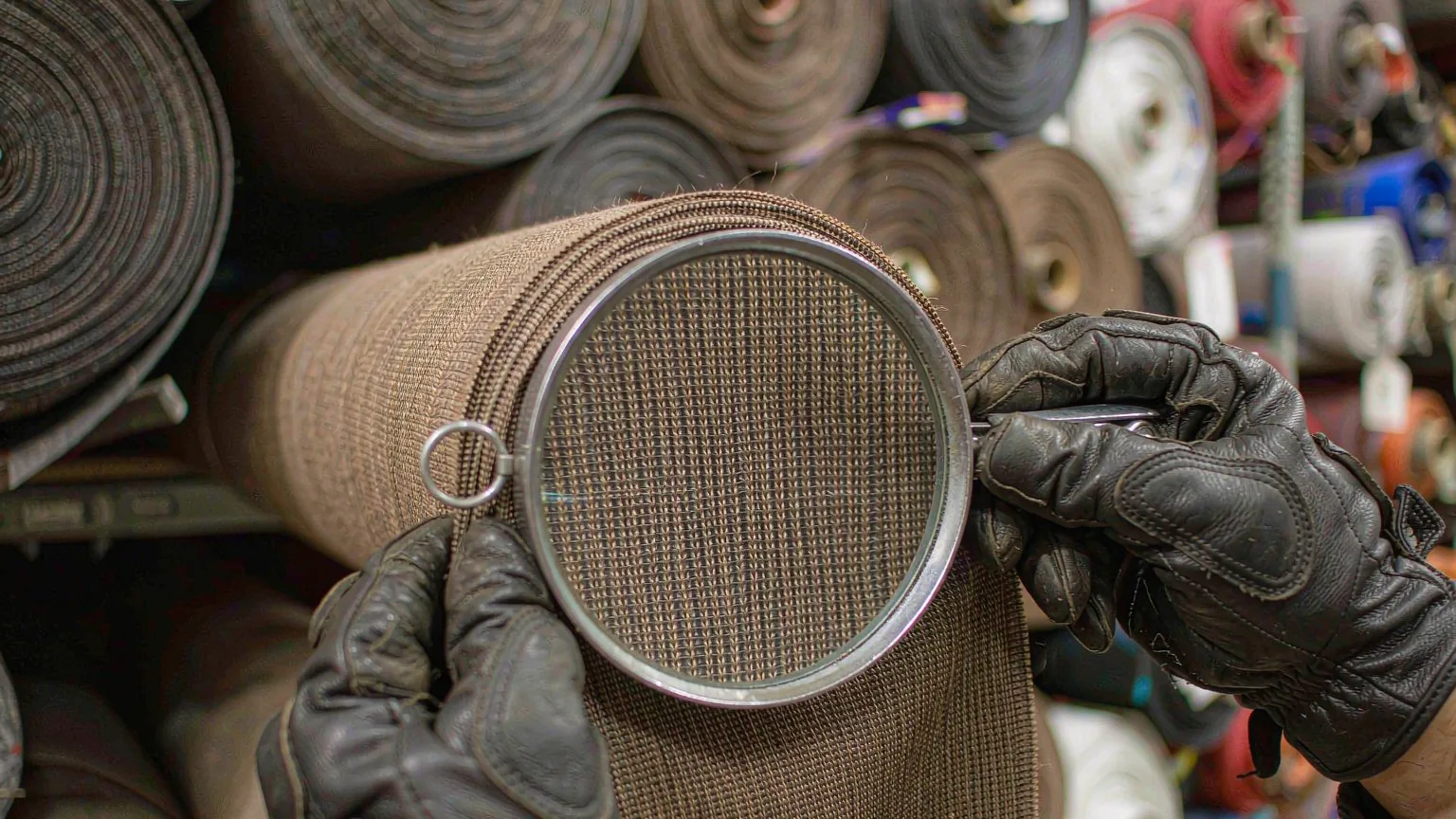
A fabric roll looks fine stacked in a warehouse. These are the problems that show up when someone actually unrolls it.
One hole is a critical defect and fails the lot on the spot — as it should.
Machines leak and hands get dirty. Stained fabric sorted at the factory costs little. Stained garments in your warehouse cost the margin.
Roll 3 matches the sample, roll 7 doesn't. Your customers will see it under store light, even if the factory floor couldn't.
130 g/m² sold as 150 g/m² drapes worse, wears out faster and feels cheap the moment someone touches it.
A few centimeters short on usable width means more fabric per garment — and your consumption math for the whole order is off.
Blurred edges, shifted colors, missing areas. Easy to miss in a factory photo. Obvious on a hanger.
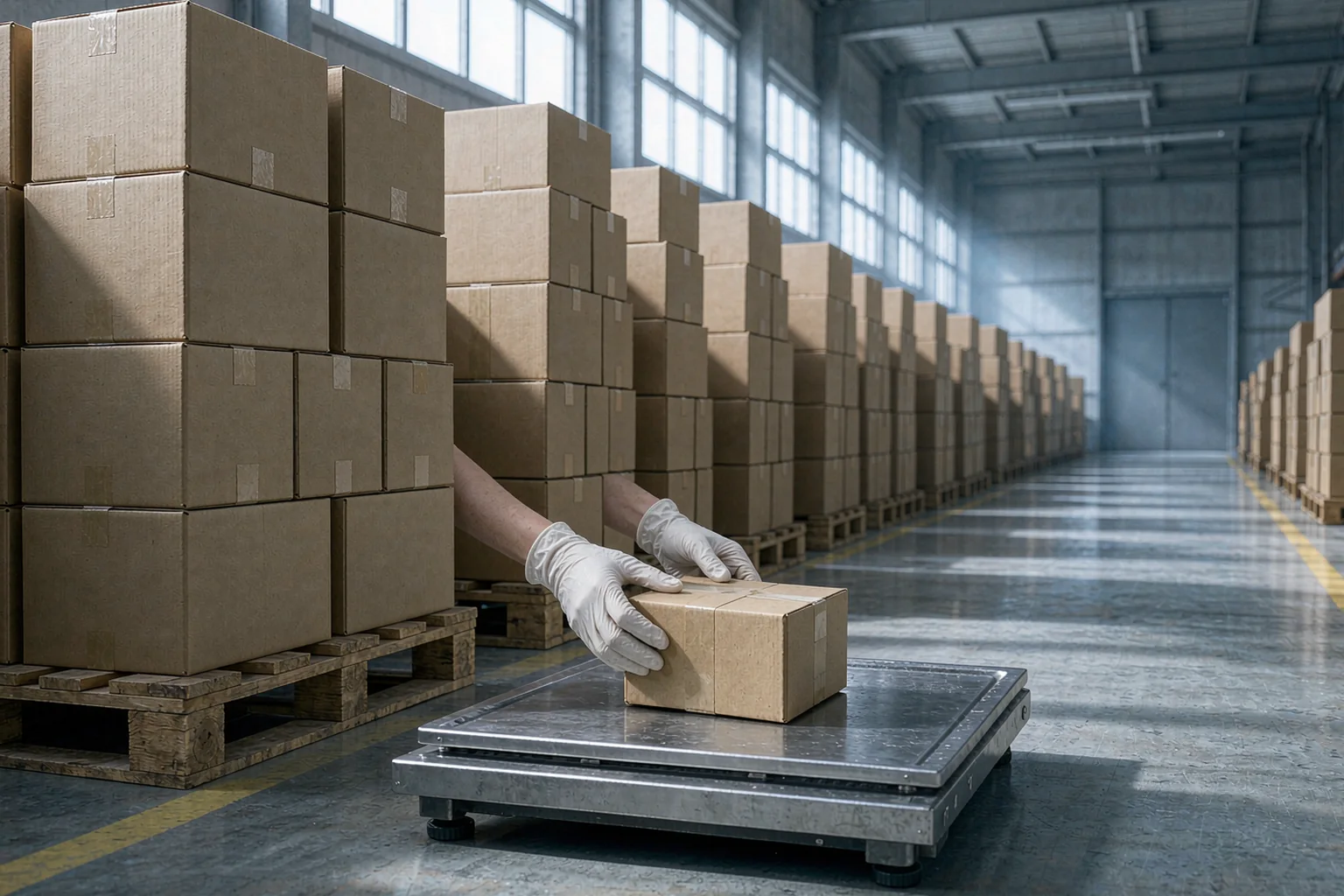
Re-cutting a roll costs the factory an afternoon. Re-working 5,000 finished garments costs you the season. Catch weight, shade and defect issues while the goods are still rolls.
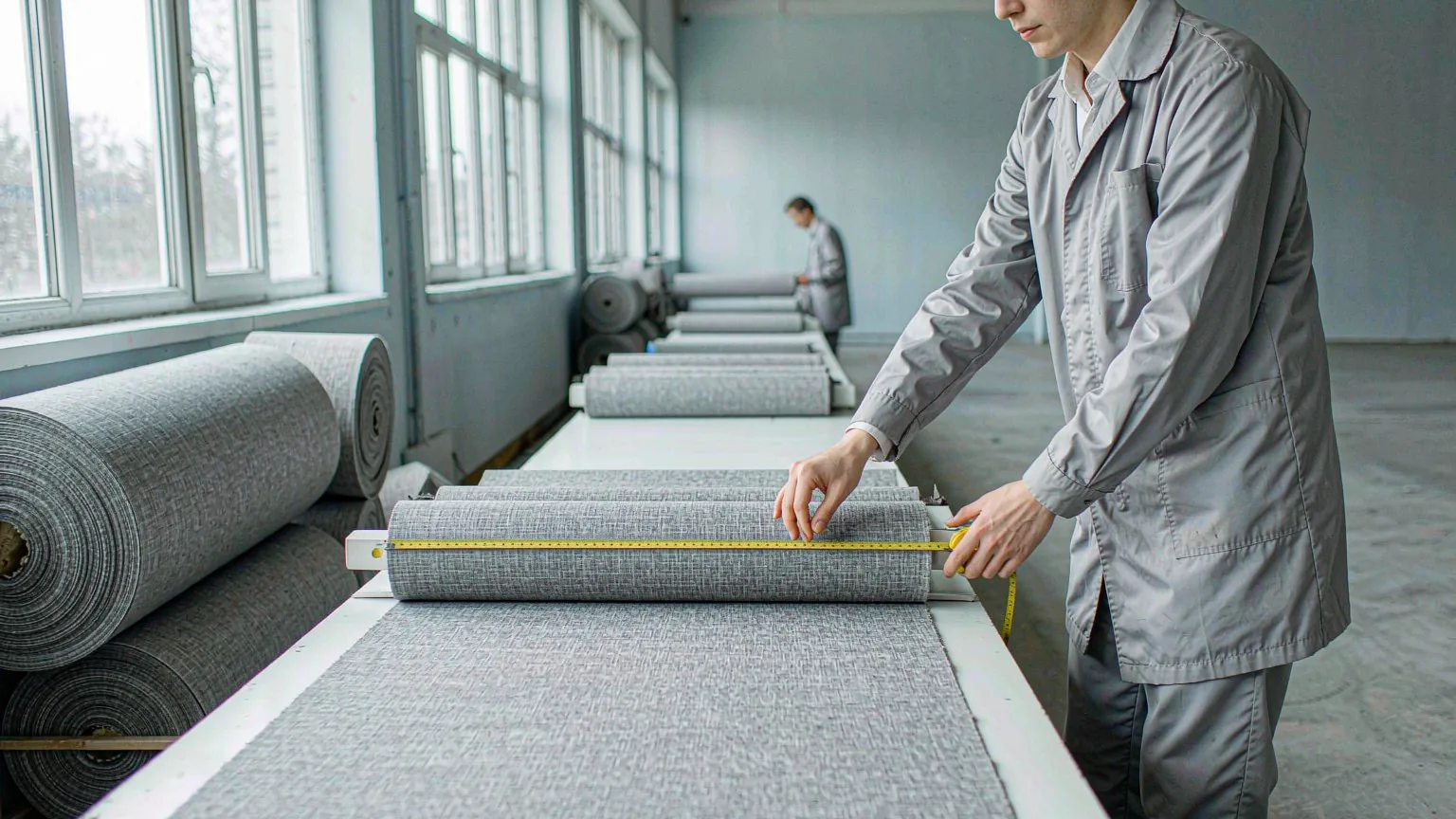
The checklist comes from your approved sample and spec sheet — and we confirm it with you before the visit.
If it comes on a roll or a bolt, we inspect it. The checklist changes with the fabric — a stretch knit and an upholstery weave don't fail in the same ways.
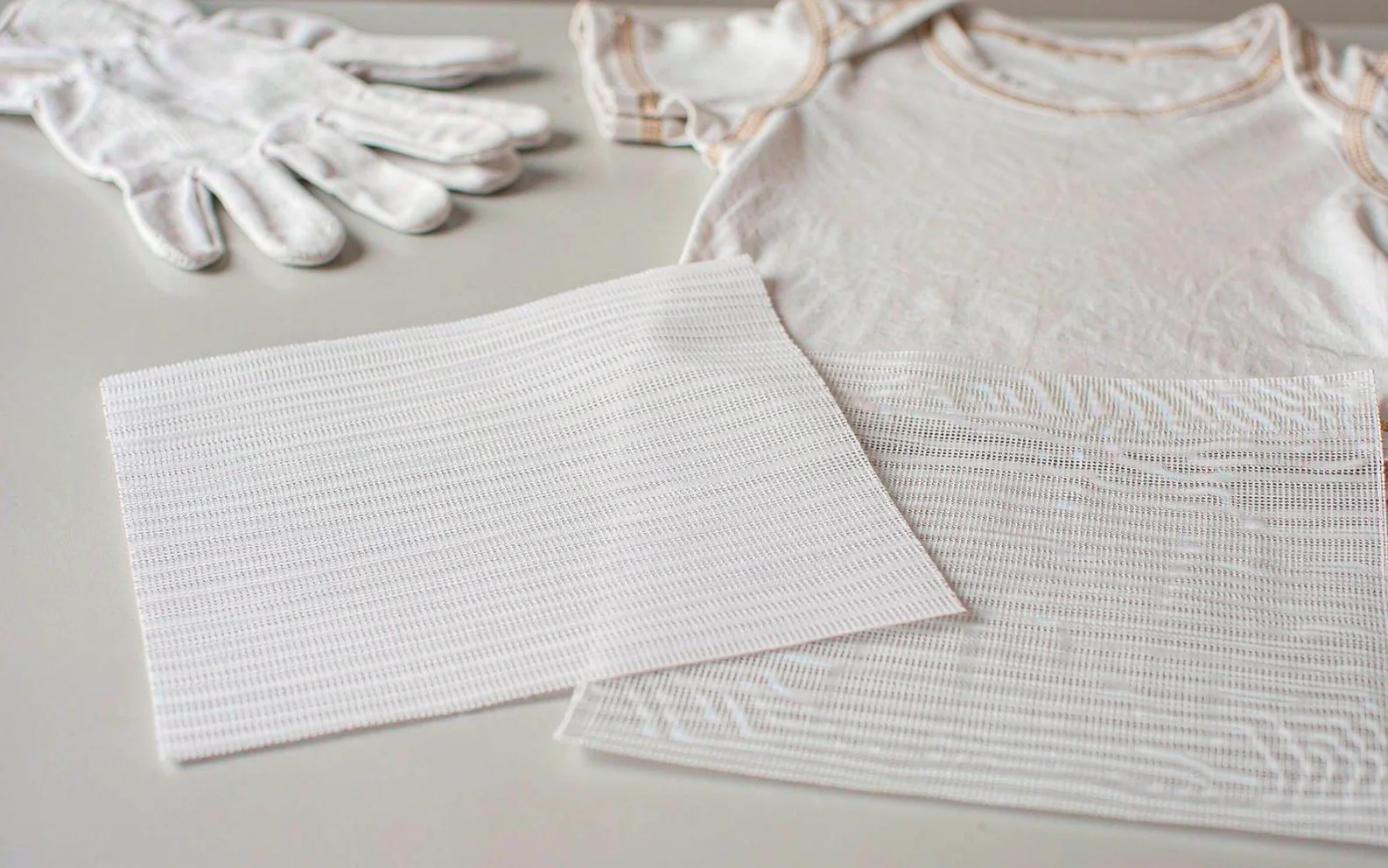
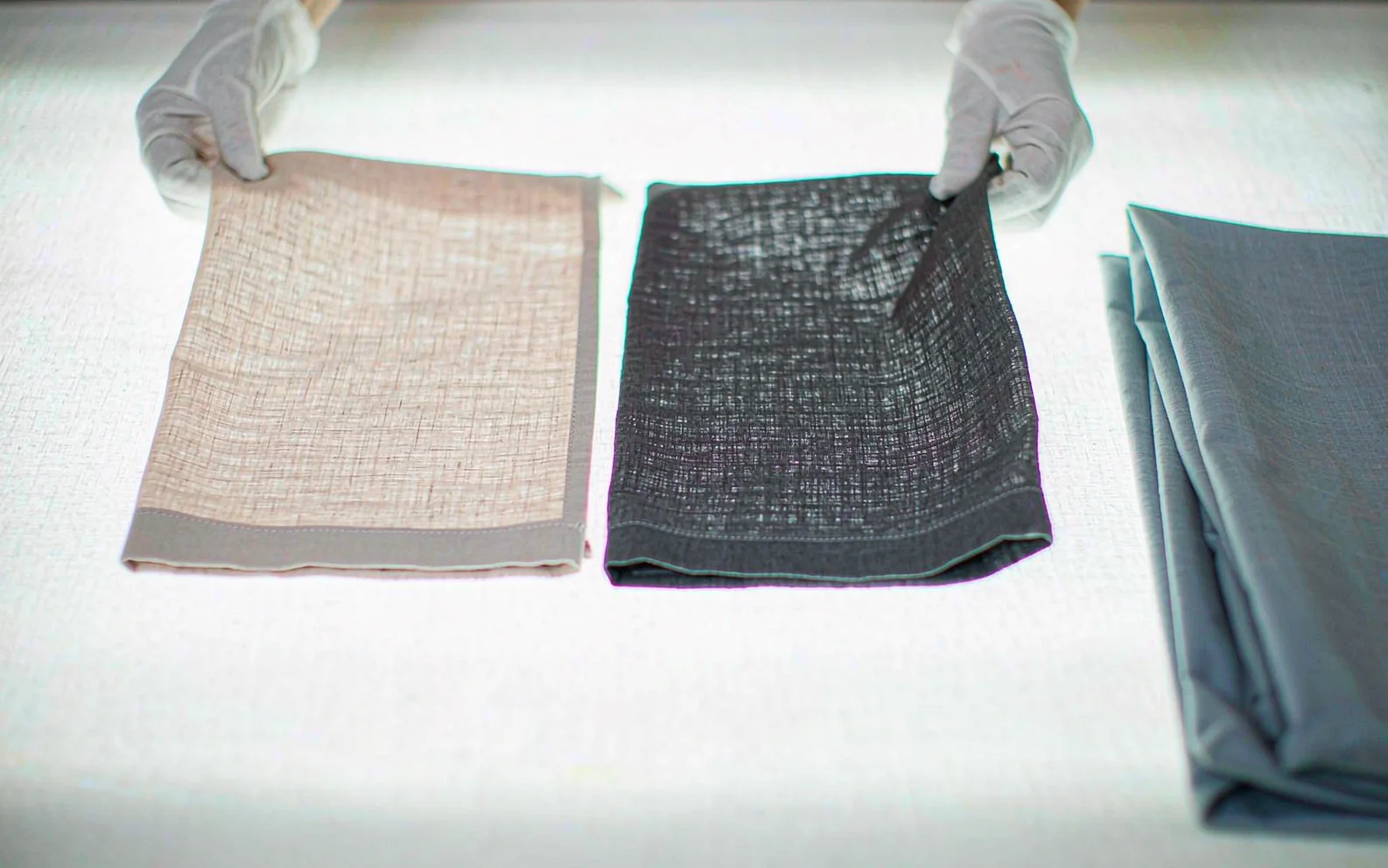
Cotton shirting, linen, denim, twill, canvas — checked for weave faults, shade bands and width.
Jersey, fleece, rib, interlock, French terry — checked for weight, spirality and pilling.
Polyester and spandex blends, mesh, bonded fabrics — checked for stretch, recovery and hand-feel.
Bedding, curtain and upholstery fabric, toweling — checked for shade lots and finish.
Measured numbers, not opinions. Every result lands in the report with photos.
A circular cutter and a precision scale give the real g/m². It gets compared with your contract figure — not with the supplier's word.
A D65 light booth at 1,000±200 lux, 50 cm distance, 45° viewing — rated on the ISO 105-A02 grey scale. Warehouse lighting doesn't get a vote.
A spectrophotometer reads ΔE against your sealed sample. You set the limit in the contract — ΔE≤1.0 is effectively invisible.
Dry and wet rubs per ISO 105-X12, with staining graded on the grey scale. Dye that transfers here transfers in your customer's wash.
Broken needle fragments hide inside fabric and finished goods. Goods pass through detection before they pass inspection.
Knits and sportswear fabrics get stretched and released on the spot — fabric that bags out at the factory bags out on your customer.
The factory's office lighting is not your customer's lighting. Here is how the ΔE scale reads in plain terms:
No visible difference from the approved sample. This is the limit tight specs usually set.
Slight difference. Fine for some products, a problem for matched sets and repeat orders.
Visible to an average shopper. Expect complaints and returns if it ships.
Re-dye or reject. It never should have left the dye house.
Sampling follows the ANSI/ASQ Z1.4 tables (ISO 2859-1) — General Level II by default, or the level you ask for. Every defect is photographed and counted against your AQL limits. More on how defects are classified.
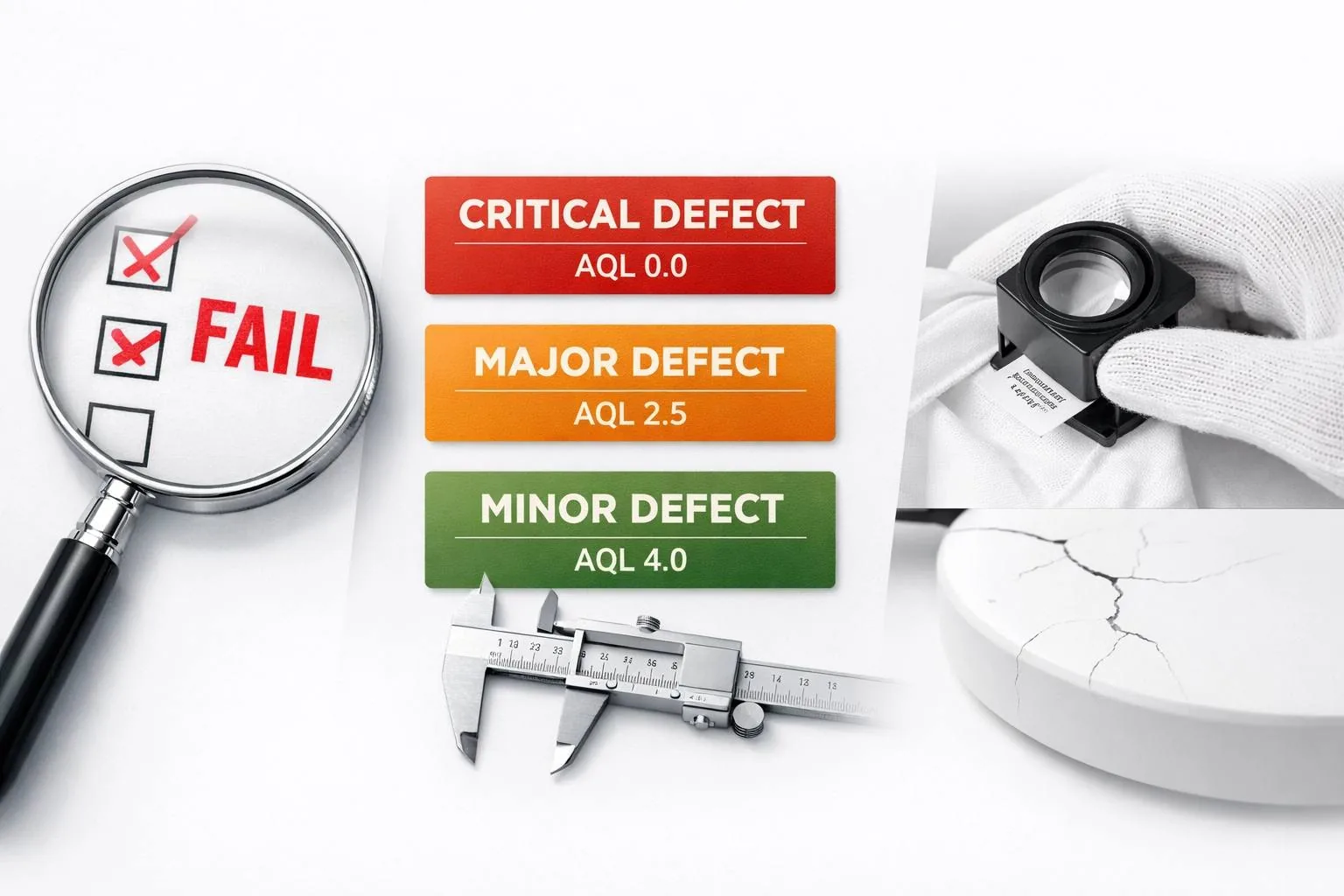
Holes, broken yarn, contamination — anything that makes the goods unsellable or unsafe. One occurrence fails the lot.
Oil stains, off-shade panels, wrong weave — things a customer would notice and return. The usual limit for apparel fabric.
Slight pilling, loose lint — counted and weighed. One is nothing; a roll full of them still drags your product down.
You deal with our office team. The inspector deals with the fabric.
Send the PO, your fabric spec or approved-sample photos, the factory address and your date. The office team confirms the checklist with you in writing.
GPS-verified check-in at the factory, on the confirmed date.
Rolls are pulled per the Z1.4 tables — at random, not chosen by the factory.
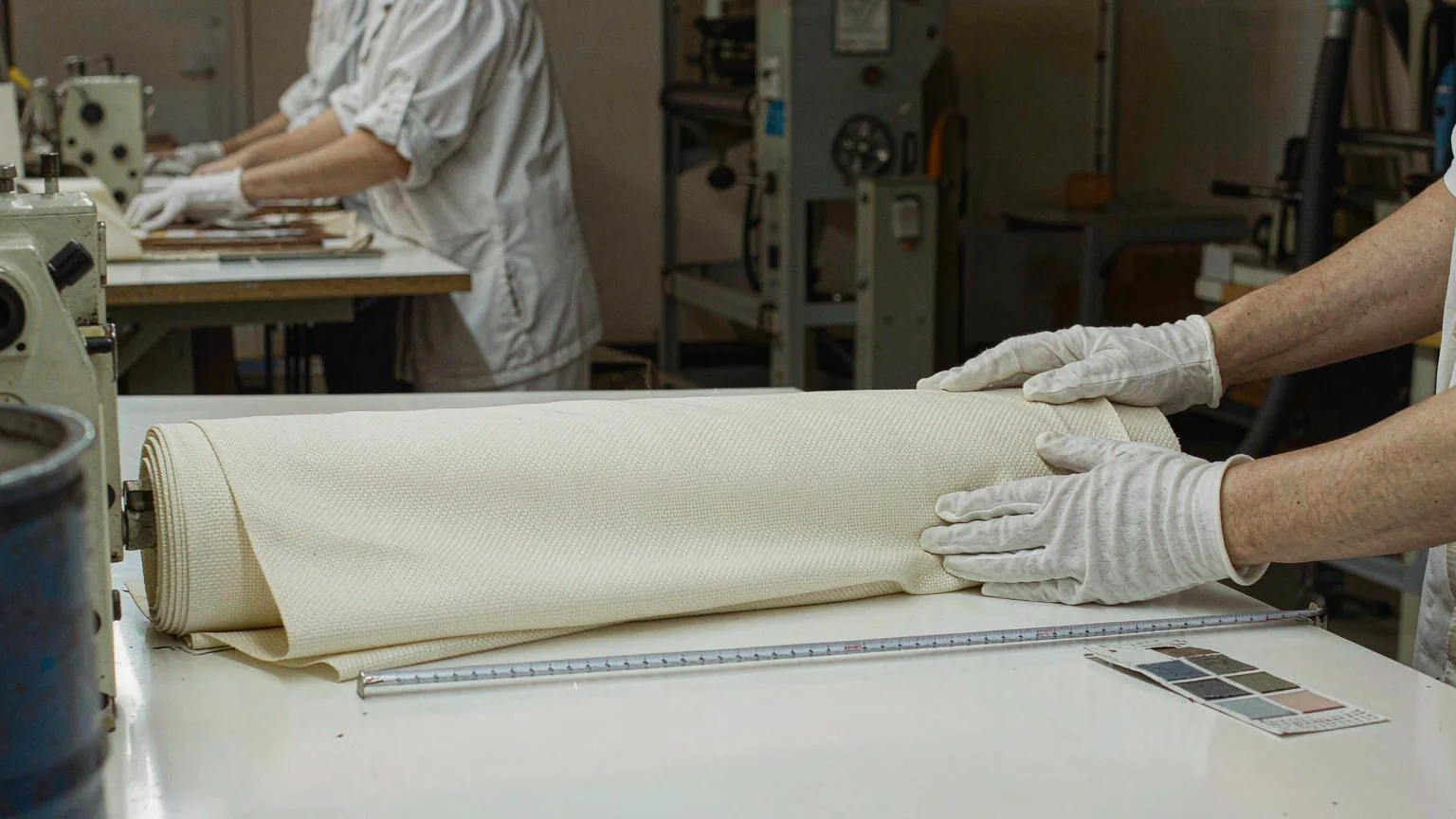
Visual inspection, measurement and the on-site tests from your checklist, item by item.
Every finding is photographed and classified critical, major or minor, with the location recorded.
A full PDF with photos, measured data and a clear pass, fail or hold result — in your inbox the next day.
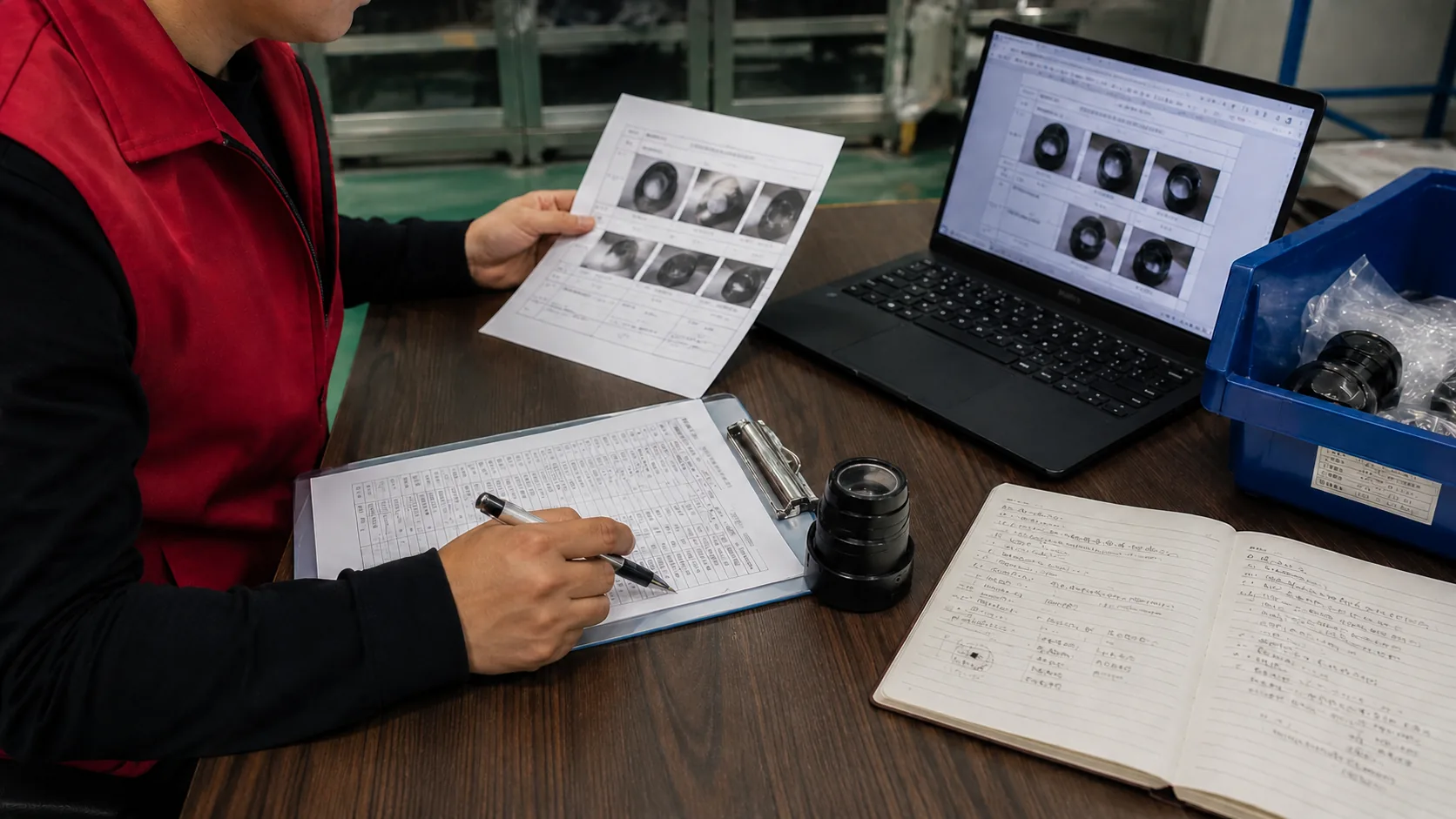
Enough evidence to act the same day — pay, hold, or send it back for rework.
Four things. If one is missing, send what you have — the office team fills in the gaps with you.
Items, quantities and the delivery date. This sets the sample size and the schedule.
GSM, width, composition, color standards or Pantone references — whatever the factory agreed to.
What "good" looks like. A sealed sample is best; clear photos of it work too.
We confirm the checklist back to you in writing before anyone travels.

Full-time UTS inspectors work in 13 provinces across China and in 13 more Asian sourcing countries — Vietnam, India, Bangladesh, Cambodia, Thailand, the Philippines, Korea and more. Same checklist, same 24-hour report.
Four moments where a fabric check pays for itself.
You have a sample you like and a mill you have never worked with. We make sure the bulk fabric matches what you approved — not just the sample they couriered over.
Last season came back off-shade or feeling cheap. This run gets checked at the fabric stage, so the same problem doesn't ship twice.
Once rolls become cut panels, a fabric problem becomes a garment problem on every single unit. This is the last cheap moment to catch it.
The factory says it's fixed. A re-inspection gives you measured proof before you release the balance payment.
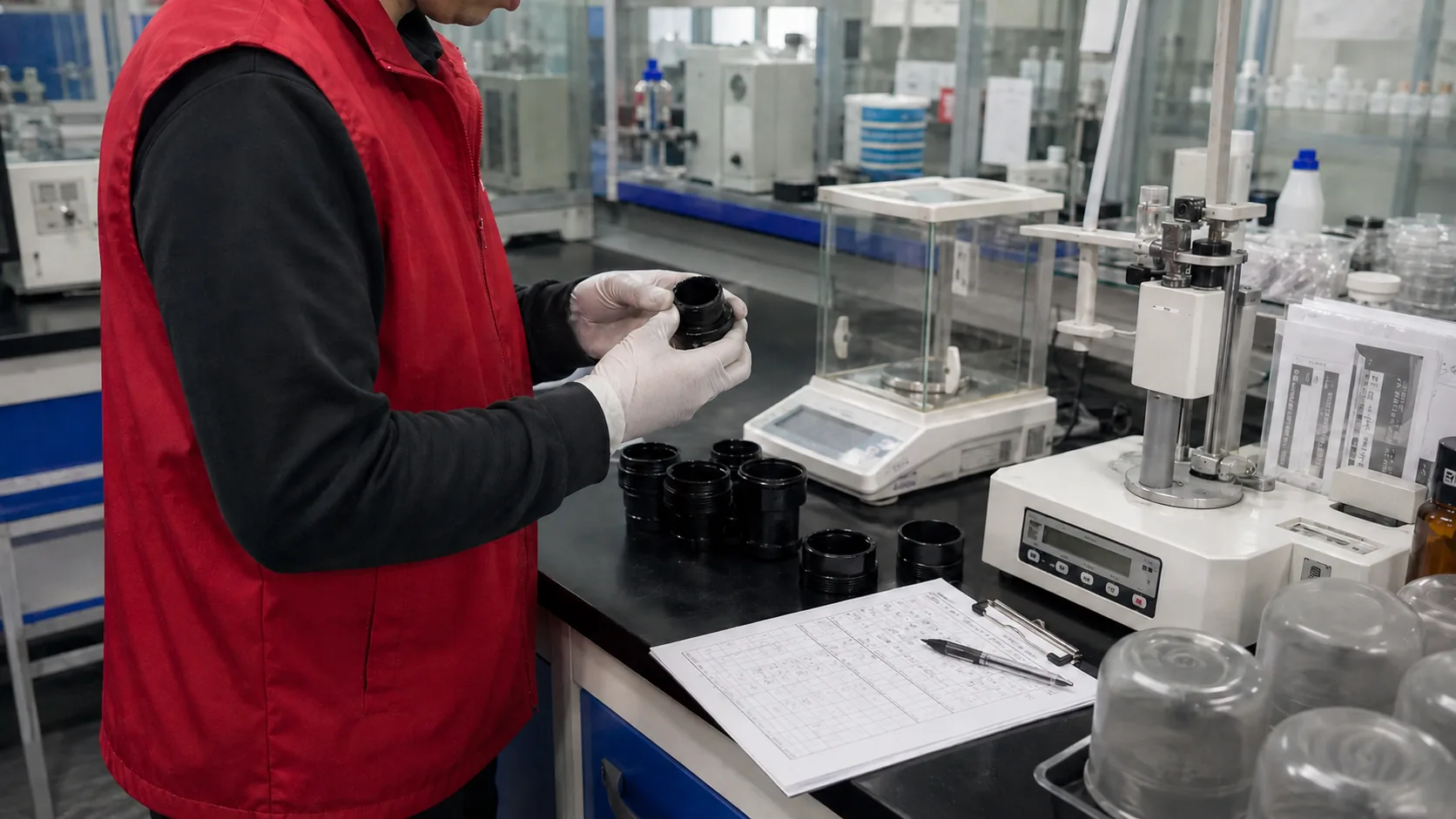
We'd rather say it plainly: some answers need laboratory equipment, not a factory visit.
UTS runs laboratory testing alongside inspection. Ask for a combined quote and the lab work goes in the same booking.
No published price list, because no two orders are the same. Here is exactly how pricing works.
Factory location, order size and checklist depth set the price. You see the written quote before anyone travels.
The quote already covers the inspector's travel and weekend scheduling. Nothing gets added to the invoice later.
If the fabric fails and the factory reworks it, the re-inspection is quoted the same way — per man-day, in writing, before we go.
The same inspectors, the same 24-hour report — at the other points of your order.
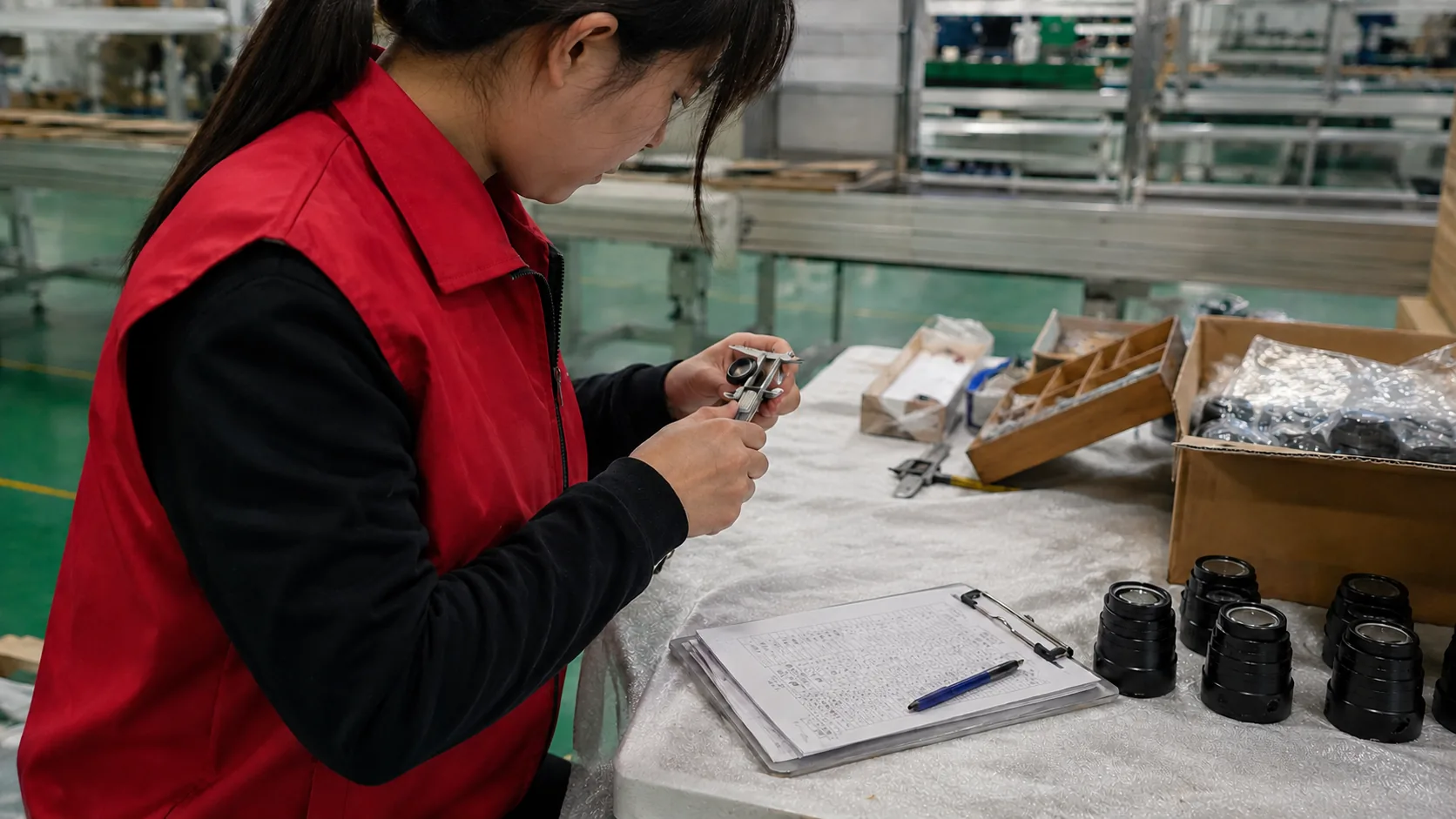
Catch a repeating defect while the lines are still running — not after the batch is done.
Learn more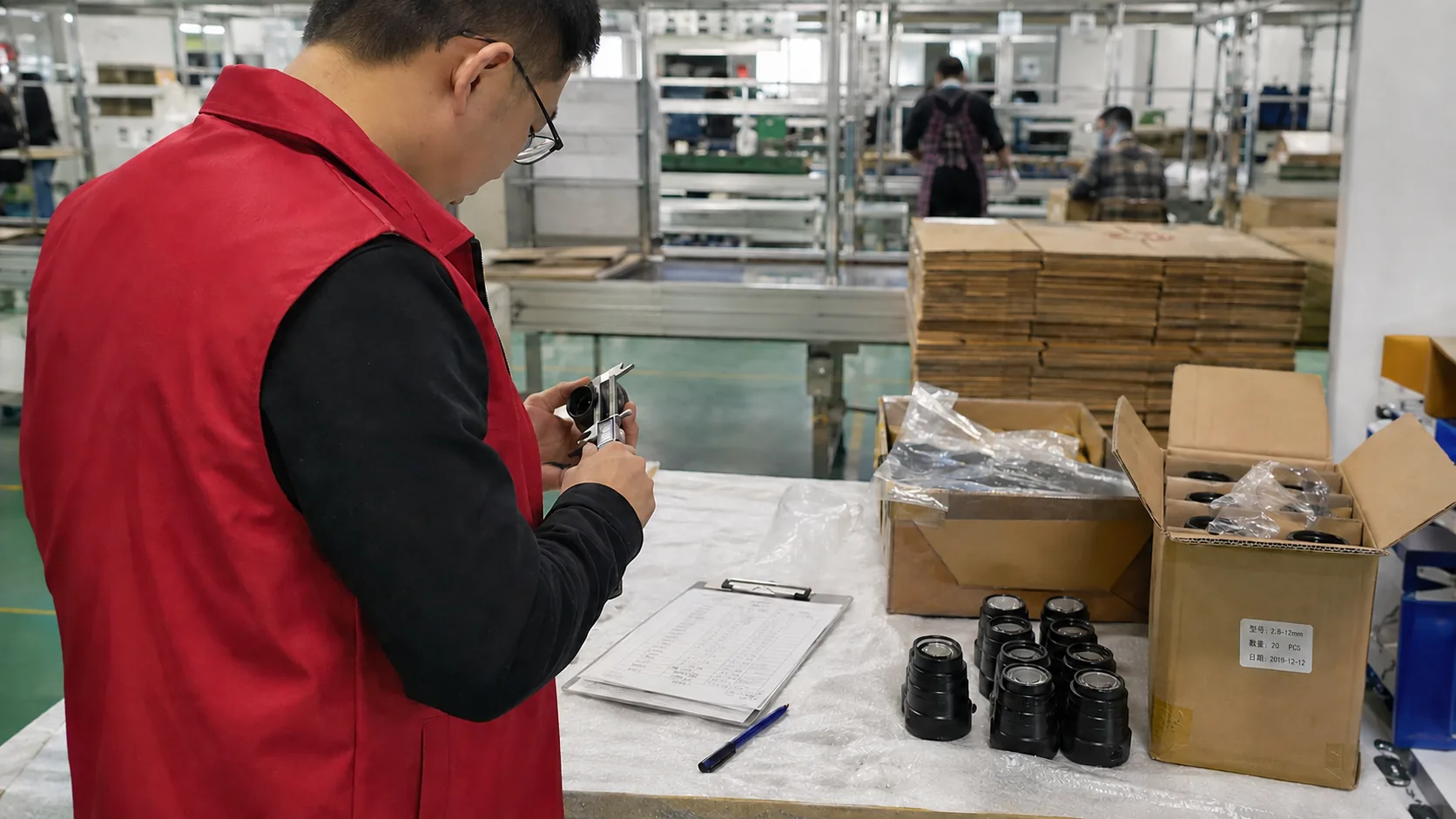
The finished-garment check before shipment — workmanship, sizes, labels and packing.
Learn more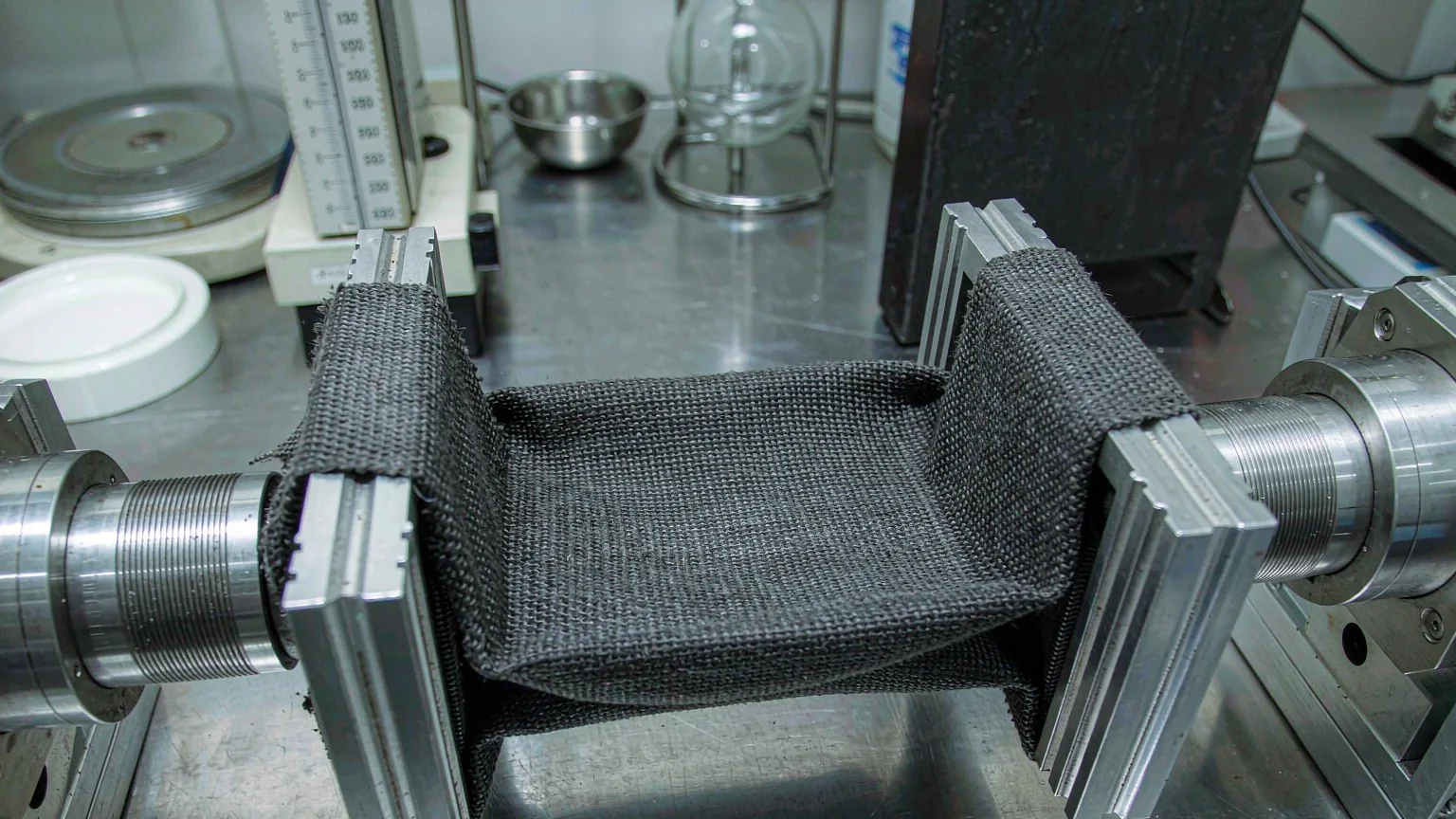
Send one sample before bulk. We measure it against your spec so problems never reach production.
Learn more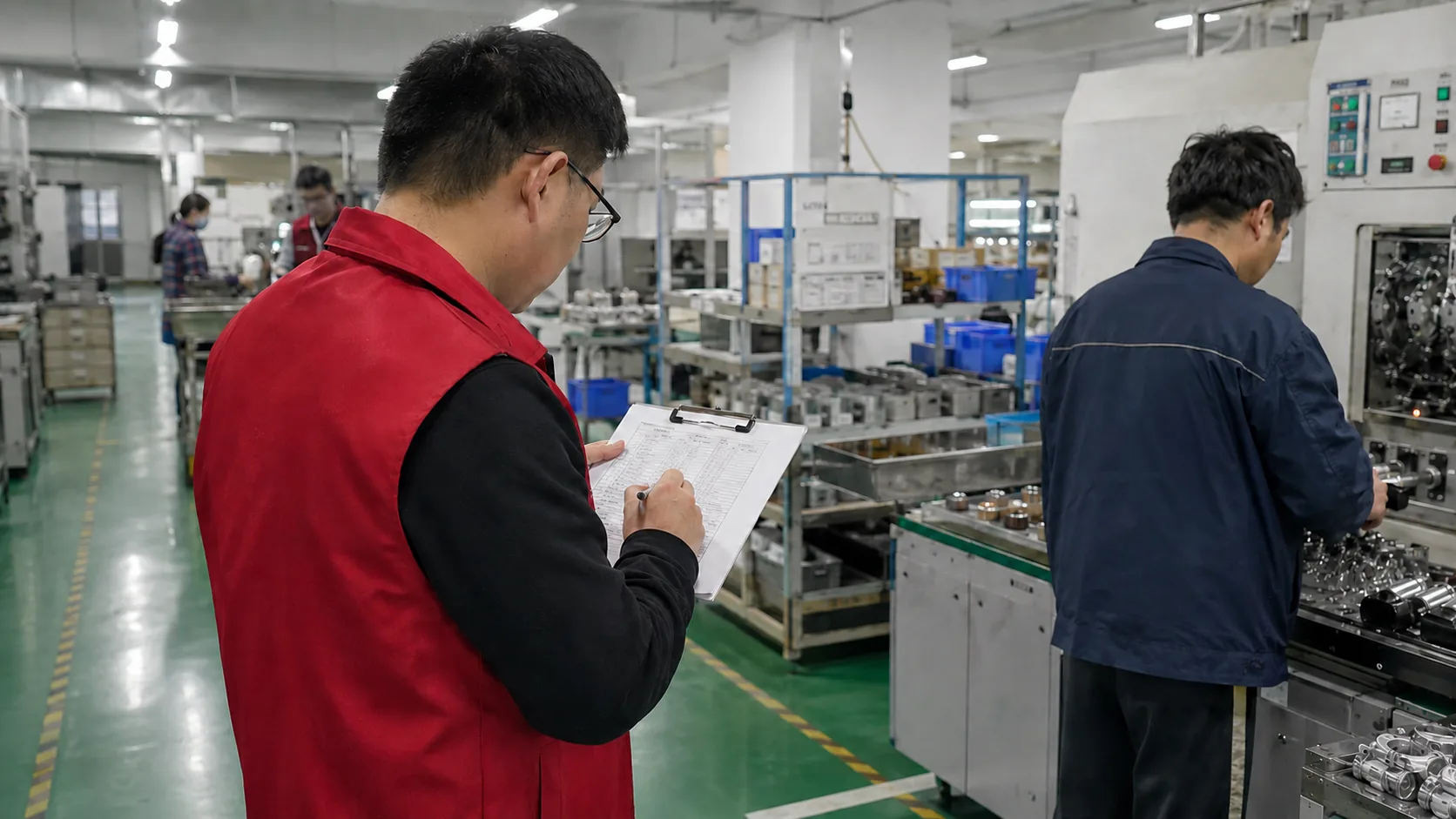
Audit the mill before you commit the order — capacity, equipment and quality systems.
Learn more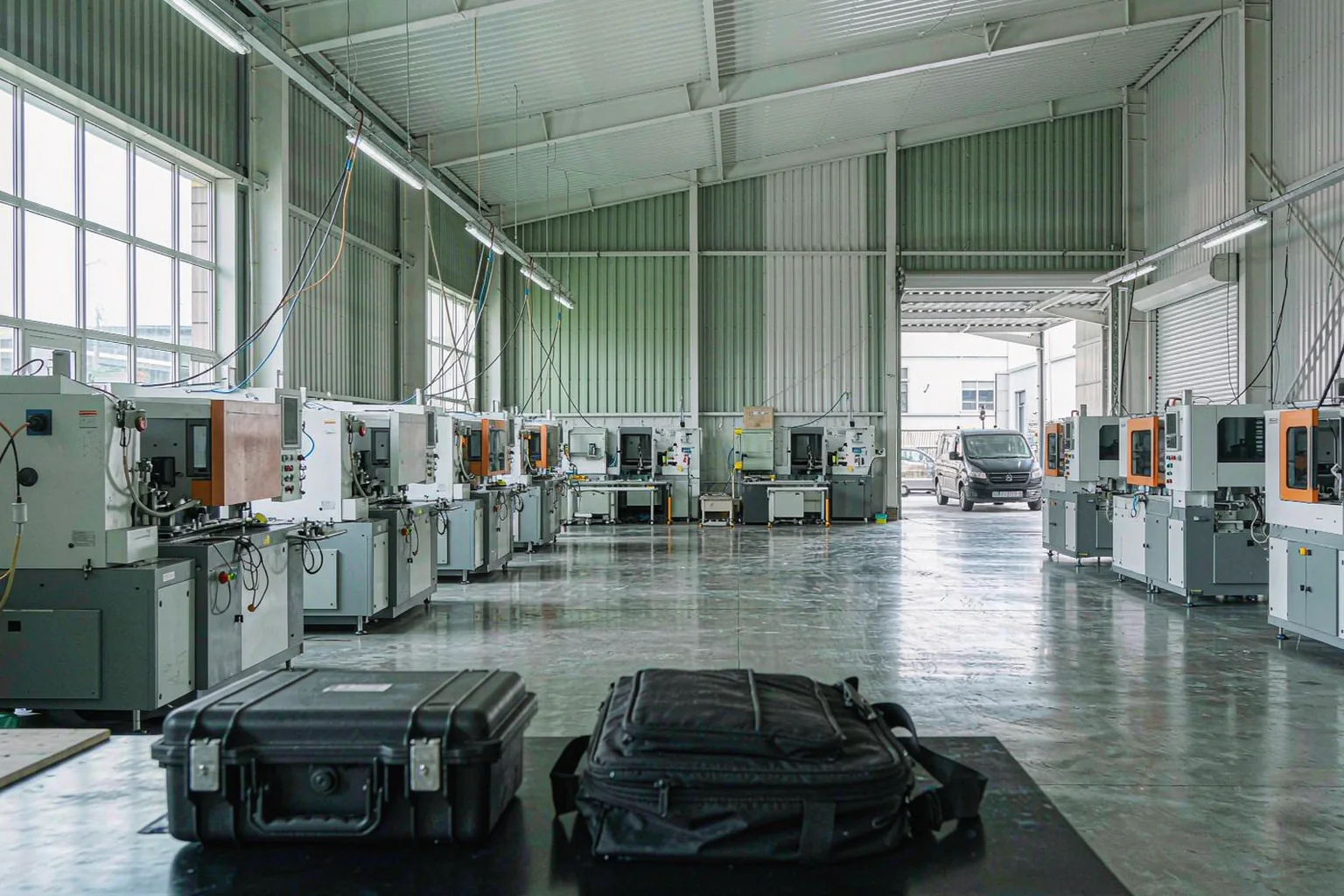
Send your PO and factory details today — an inspector can be at the mill within 48 hours, and your report follows within 24 hours of the visit.
An inspection company is only worth what its report is worth.
Importers and retailers across apparel, footwear, electronics and home goods.







Straight answers, no sales talk.
We quote per man-day, based on the factory location, the size of the order and how deep you want the checklist to go. The written quote already includes travel and weekend work — nothing is added later.
Within 48 hours anywhere in China, once we have your PO, fabric specification, the factory address and the date you need.
Both. Fabric rolls and cut panels are checked before cutting starts, and finished garments are checked before shipment. The checklist is different for each stage — tell us where your order is and we match it.
The PO, your fabric specification or approved-sample details, the factory address and your required date. Our office team confirms the full checklist with you before anyone travels.
You get a fail or hold result with photos, measurements and the full defect list. Then it is your call: sorting, re-dyeing, replacement fabric or a re-inspection after rework. We report — you decide.
On site we run rub fastness, shade comparison under D65 light and ΔE color measurement. Exact fiber composition and full fastness ratings need laboratory equipment — we arrange that through our lab testing service and can quote both together.
Yes. UTS works across Asia, including Vietnam, India, Bangladesh, Cambodia, Thailand, the Philippines and Korea. The same checklist and 24-hour report format apply.
Send your PO and fabric spec. We confirm the checklist, put an inspector at the factory and deliver the report the next day.
Or reach us directly — +86 757-86783812 · WhatsApp +86 135 6036 2484