Tel
+852-61343425
We go to your factory and check your molded parts before they ship. Dimensions against your drawing, the plastic against your PO, the looks against AQL. We're on site within 48 hours — and the full photo report is in your inbox within 24.
Book an Inspectioninquiry@utsinspection.com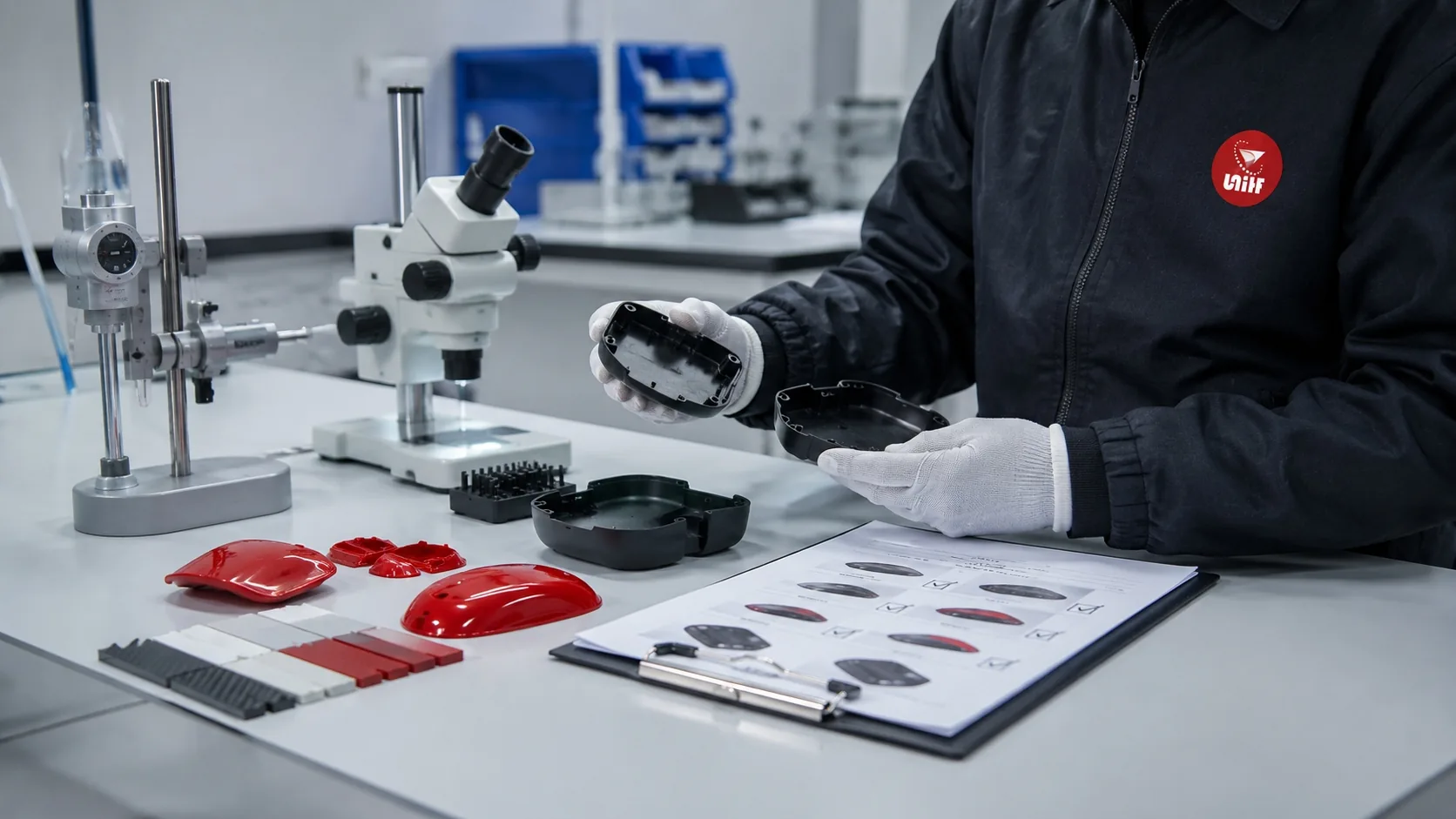
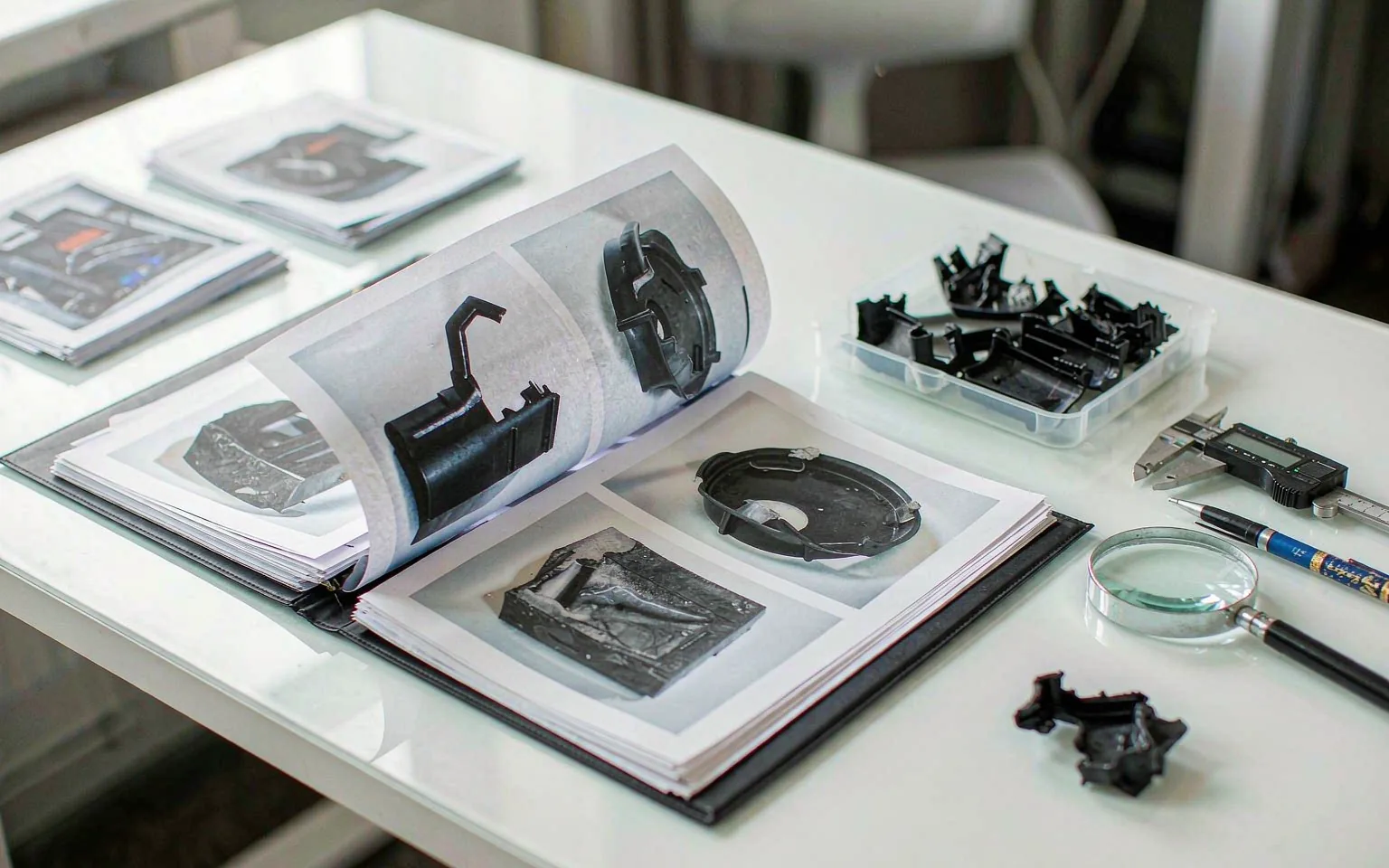
The sample was perfect. Then production starts, the machines get pushed faster, and small things begin to slip. These are the defects our engineers grade on every molded-parts job — caught at the factory, not in your warehouse.
Extra plastic on the edges and around ejector pins. Parts stop sitting flat and housings won't close cleanly.
Small dents above ribs and thick spots. On any visible face, that's a reject.
The mold didn't fill completely — missing corners, thin walls, parts that fail assembly outright.
Parts bow or twist as they cool. Snap-fits won't close and the part wobbles on a flat table.
Lines where two plastic flows meet. It looks bad — and it's the first place the part cracks.
Streaks from wet or degraded plastic. Your customer will spot them before you do.
Trapped air scorches the plastic near gates and thin walls. Ugly, and the material is weaker there.
Hidden holes inside thick sections. You can't see them — until the part breaks in someone's hands.
Dirty material or poor mixing. The part fails the side-by-side check against your approved sample.
If it comes out of an injection mold, we've probably stood in front of a machine checking it.
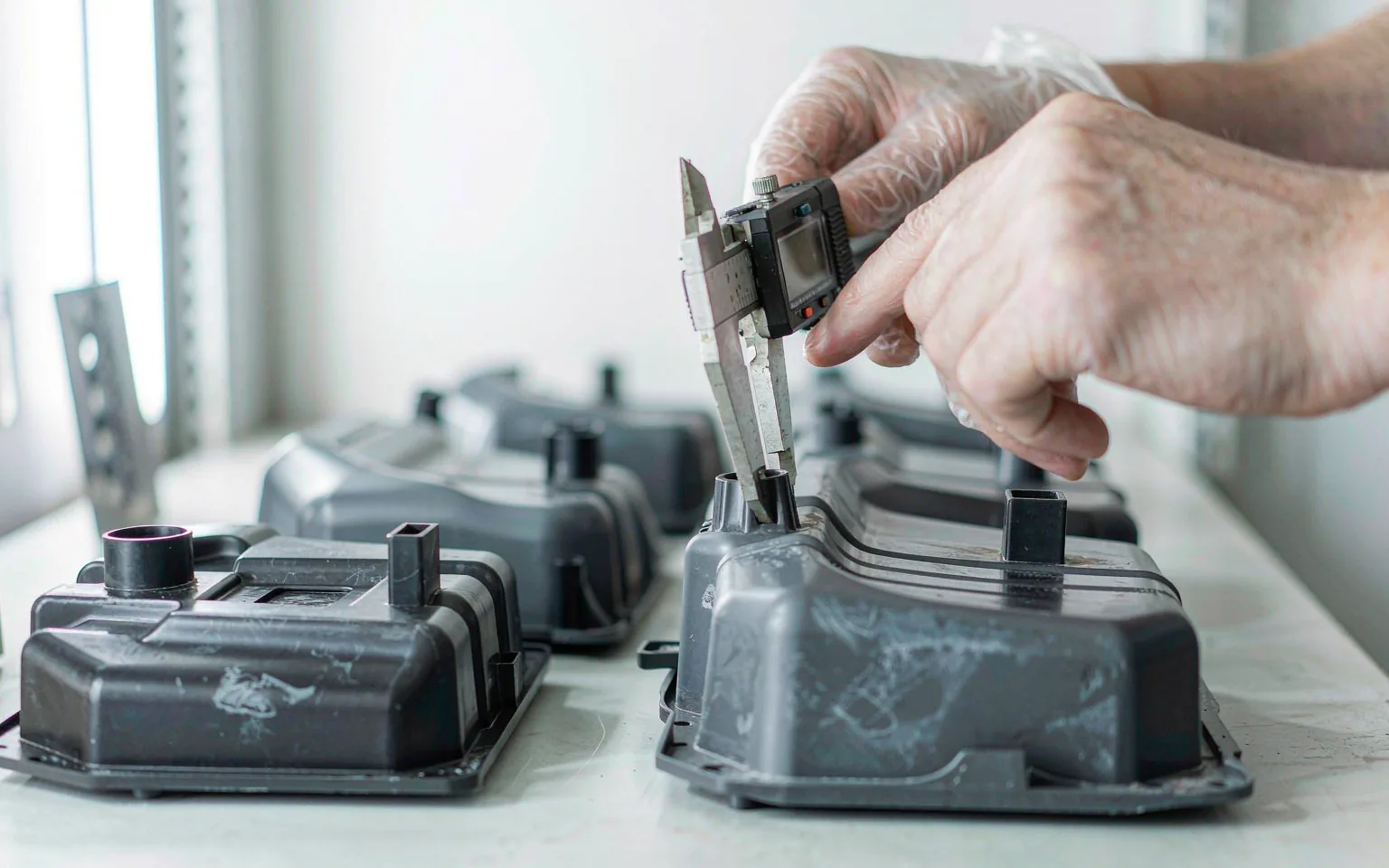
Electronics boxes, appliance shells, power-tool bodies — checked for fit, finish and assembly.
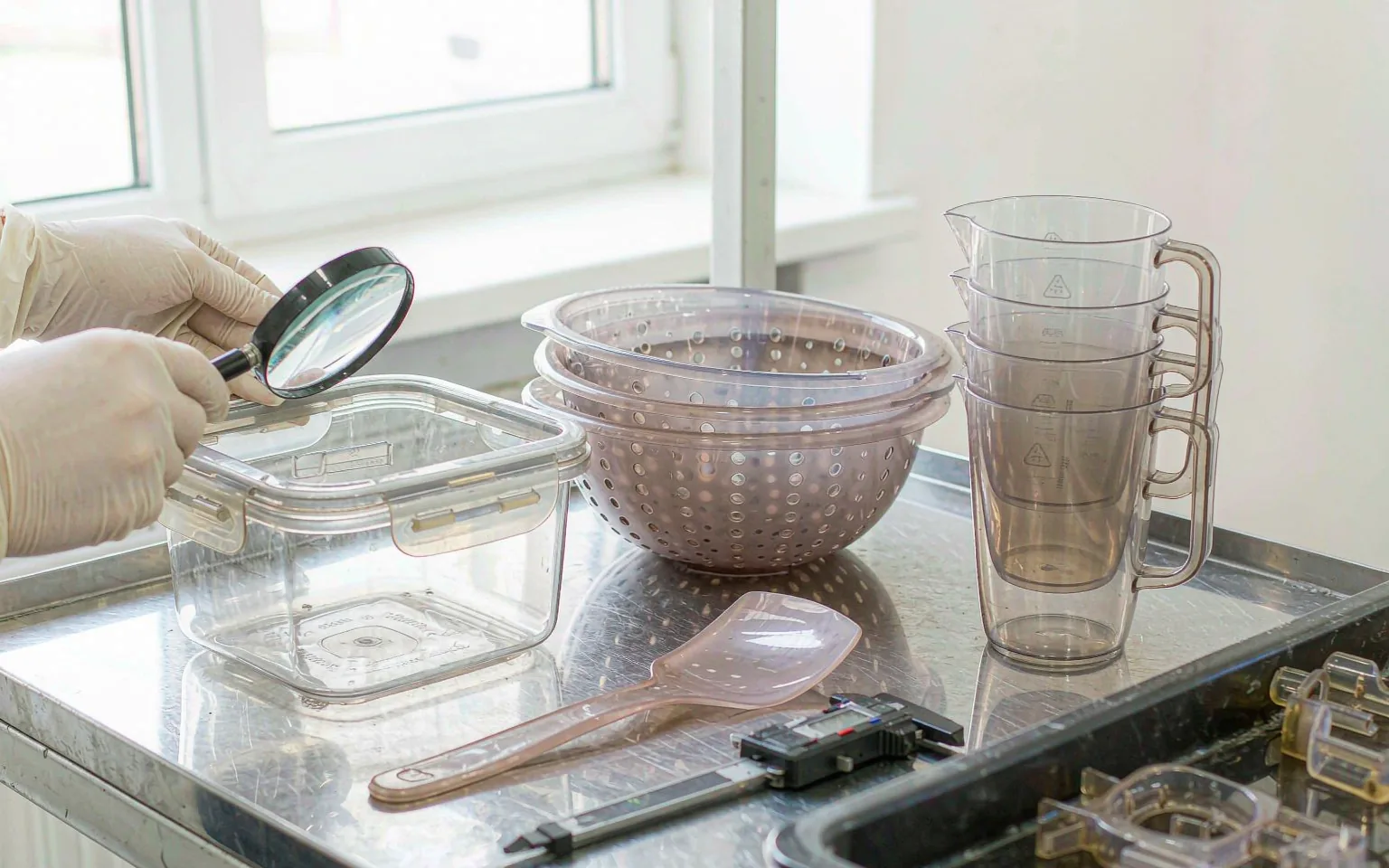
Cups, kettles, storage boxes, bathroom fittings — the everyday items your customers handle most.

Toy shells and parts for children's products — with the extra safety checks that come with them.
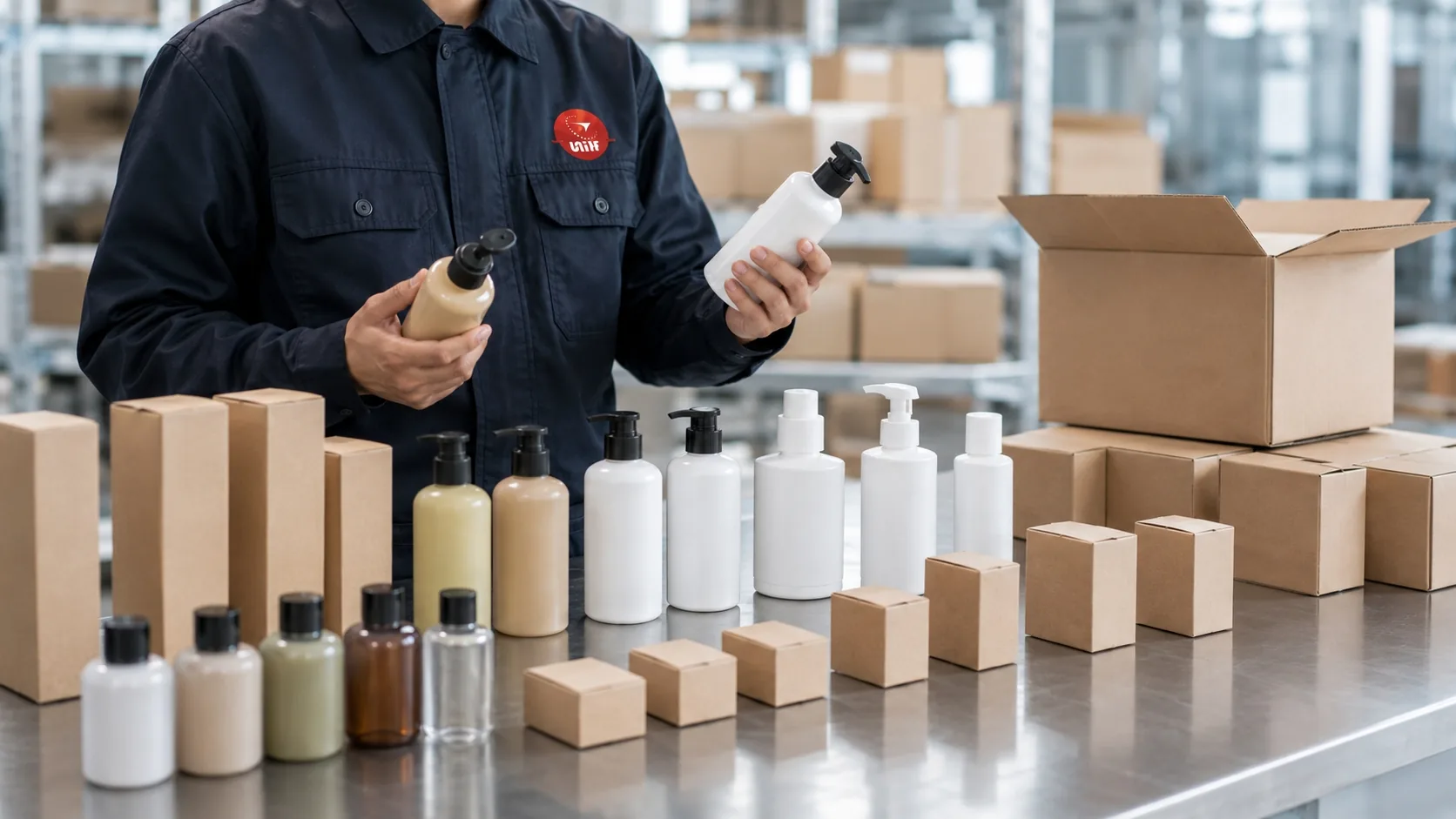
Bottles, jars, caps and seals that have to close tight — on every unit, not just the sample.
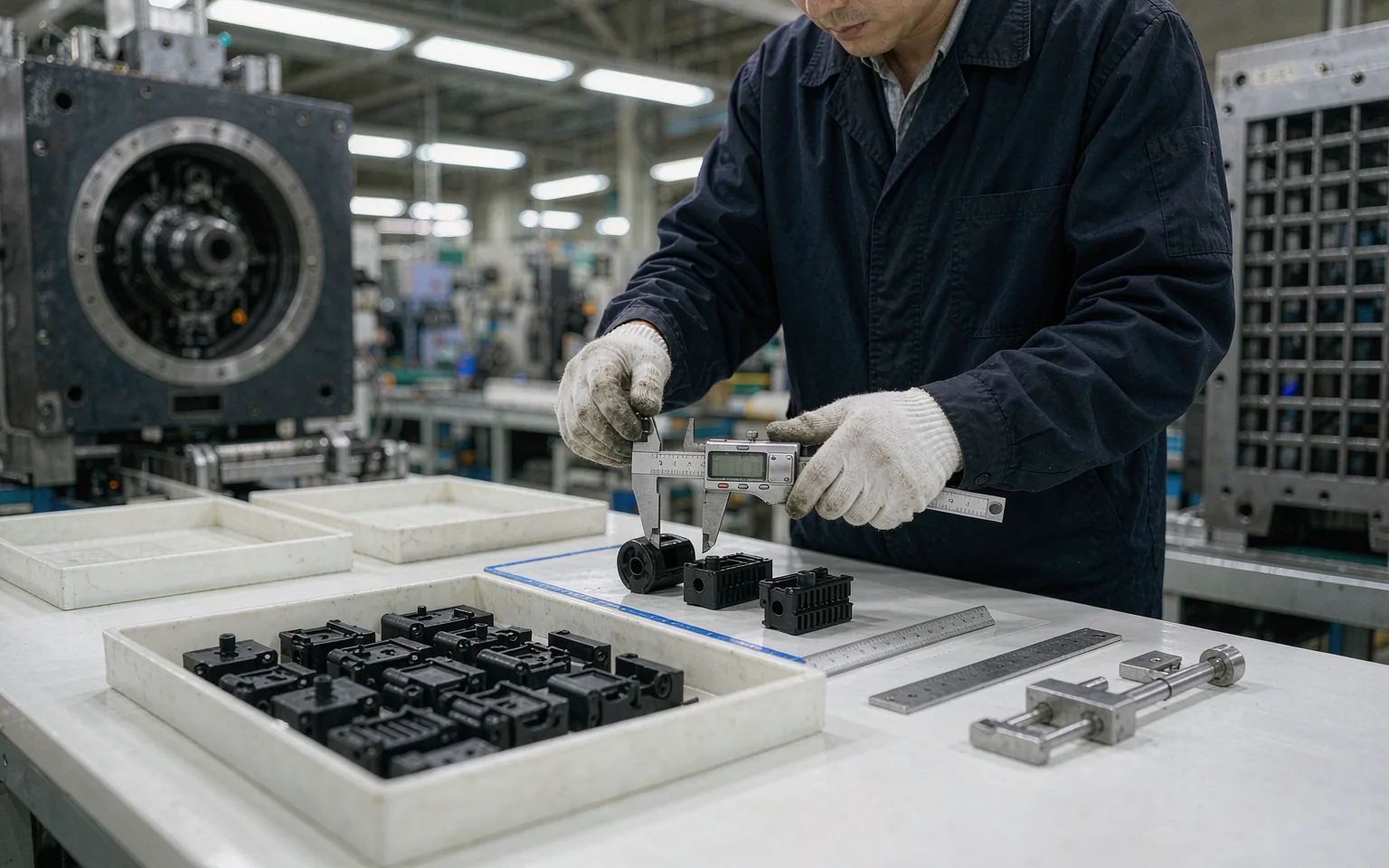
We don't eyeball a few pieces and call it done. We pull random samples the ANSI/ASQ Z1.4 way (ISO 2859-1), and every defect gets a grade — Critical, Major or Minor. The result stops being a matter of opinion, so the factory can't argue with it.
Sharp edges, cracked housings, the wrong plastic, a failed safety function. One of these and the whole lot stops.
Short shots, warping out of tolerance, sink marks on visible faces, color that doesn't match your sample, parts that won't assemble.
Light flow lines in places nobody sees, slight gate marks within the agreed limit.
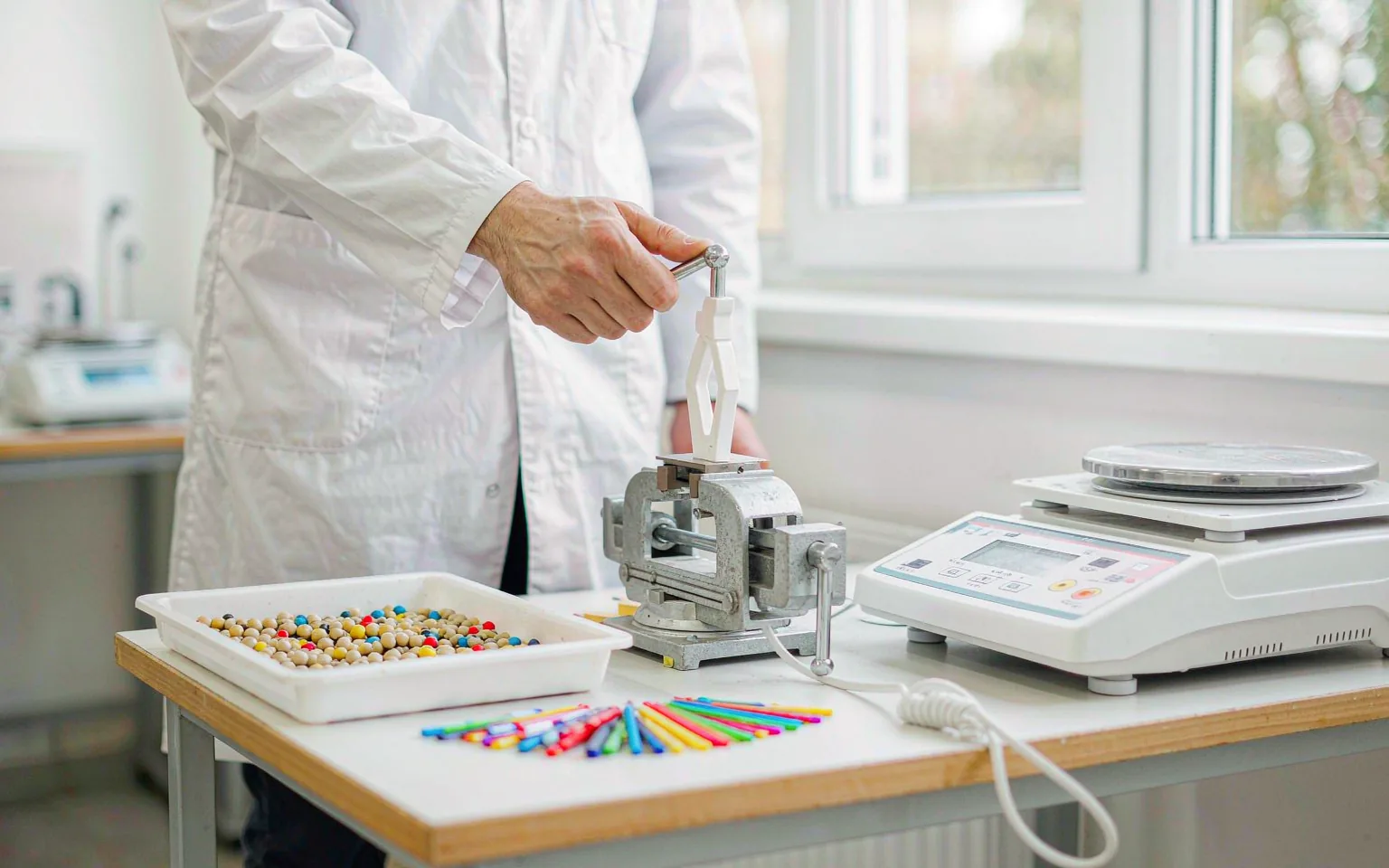
Ask anyone who has bought molded parts for a few years. The golden sample was made with care — the container was made on a deadline. Here's what usually changes in between.
Regrind ratio creeps up, or a cheaper grade quietly replaces the quoted one. The parts look fine and fail six months later.
Cycle times are squeezed to hit the delivery date. Cooling time drops — and out comes warpage, sink and short shots.
Parting lines and ejector pins wear with every shot. Flash and rough edges appear halfway through the run.
New material lot, new masterbatch — suddenly the red is a different red. Nobody at the factory held it next to your sample.
None of this is visible on a video call. It's visible on the factory floor — which is where we stand.
At 5–10% of the run. We confirm the mold setup, the material and the first-off dimensions — before the same mistake comes out of every cavity.
How IPI worksAt 30–50% finished. Drift in size, color or cycle time gets caught while the rest of the order can still be saved.
How DPI worksAt 100% finished and 80% packed. The ship-or-stop decision — pass, fail or hold — with photos to back it.
How FRI works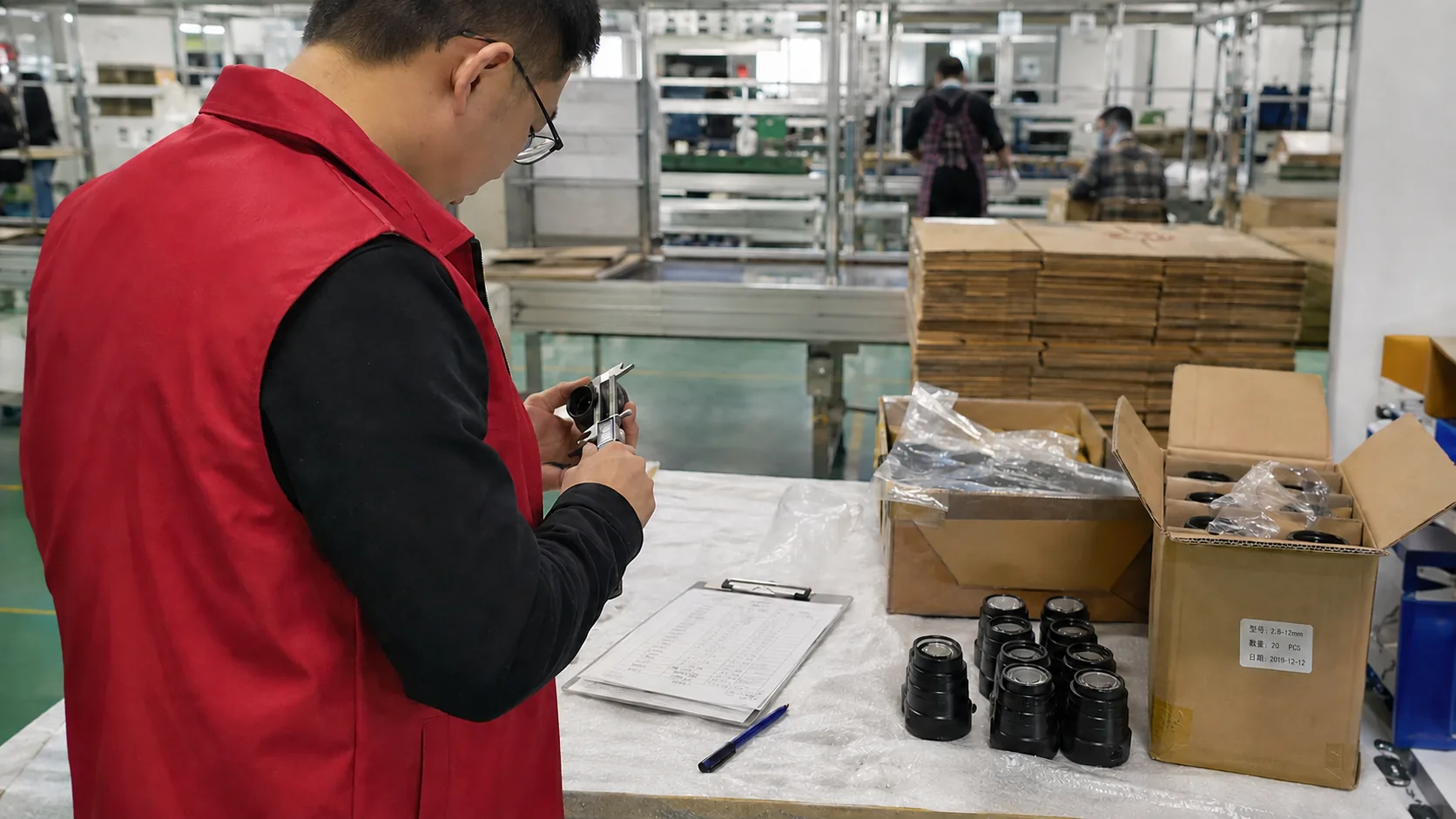
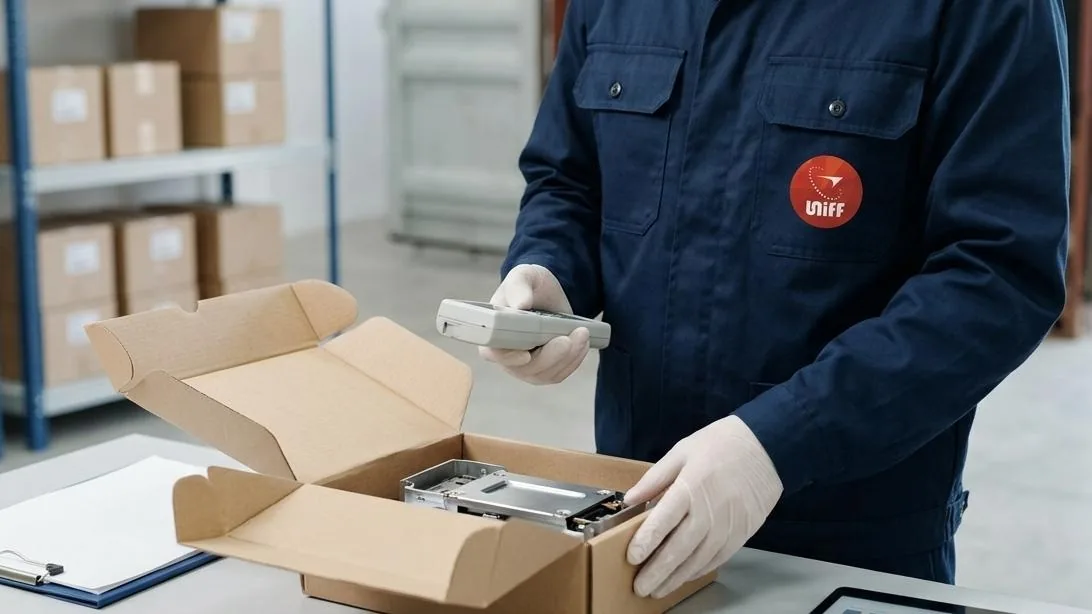
Send your PO, drawing and packing details. We assign an engineer and build the checklist from your documents — not a generic template.
On site within 48 hours of your booking. GPS check-in from the factory floor, so you know exactly who stood at your machine.
Random samples, the ANSI/ASQ Z1.4 way. Our engineer picks the cartons and the parts — not the factory.
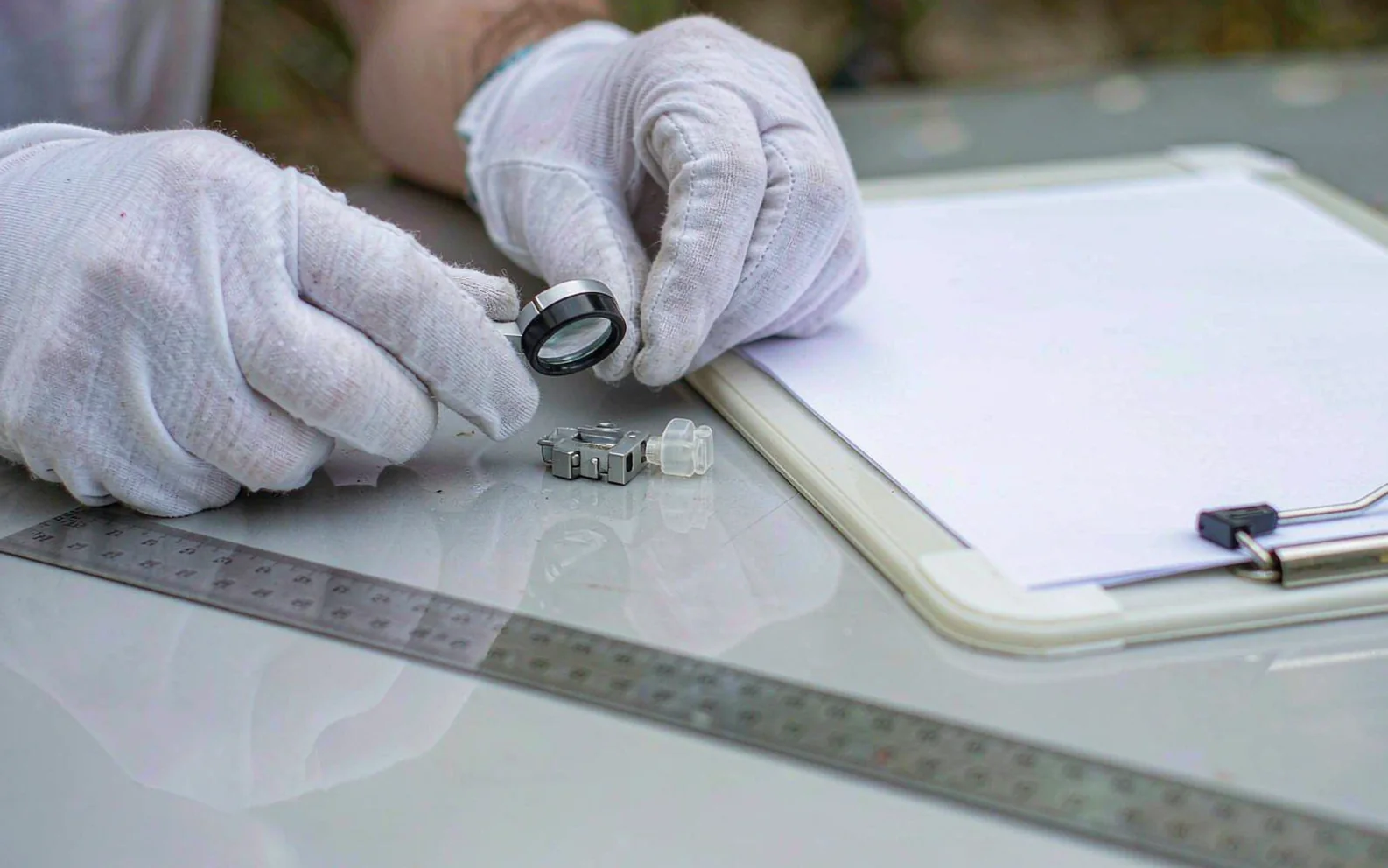
Looks, dimensions, material, color, assembly, function and packing — all against your approved sample and drawing.
Every defect is photographed, measured and graded on the spot. You hear the provisional result the same day.
The full PDF report lands within 24 hours — pass, fail or hold. Forward it straight to your supplier if you need to.
A first-off check plus an early inspection catches setup mistakes before ten thousand parts repeat them.
Make sure their machines, material and packing actually match the sample you approved — before your deposit becomes inventory.
Faster cycles and extra regrind show up first in size and color. A mid-production check catches it while there's still time.
A failed inspection is your leverage to demand rework. A passed one is your green light to pay and ship.
FNSKU labels, polybag warnings and carton drop get checked with the product — so a warehouse rejection never happens.
One inspection day covers the sampling, all the checks and the report for one product at one factory. Most molded-parts orders fit in a single day.
The price depends on your product, your quantity and the factory city. Send your PO and drawing, and we come back with one all-in number — no hourly surprises.
No travel fees in covered cities. No weekend surcharges. The 24-hour PDF report is part of the price — there's no separate "reporting fee".
A re-inspection after the factory fixes things is booked at the same day rate — enforcing your standard never costs extra.

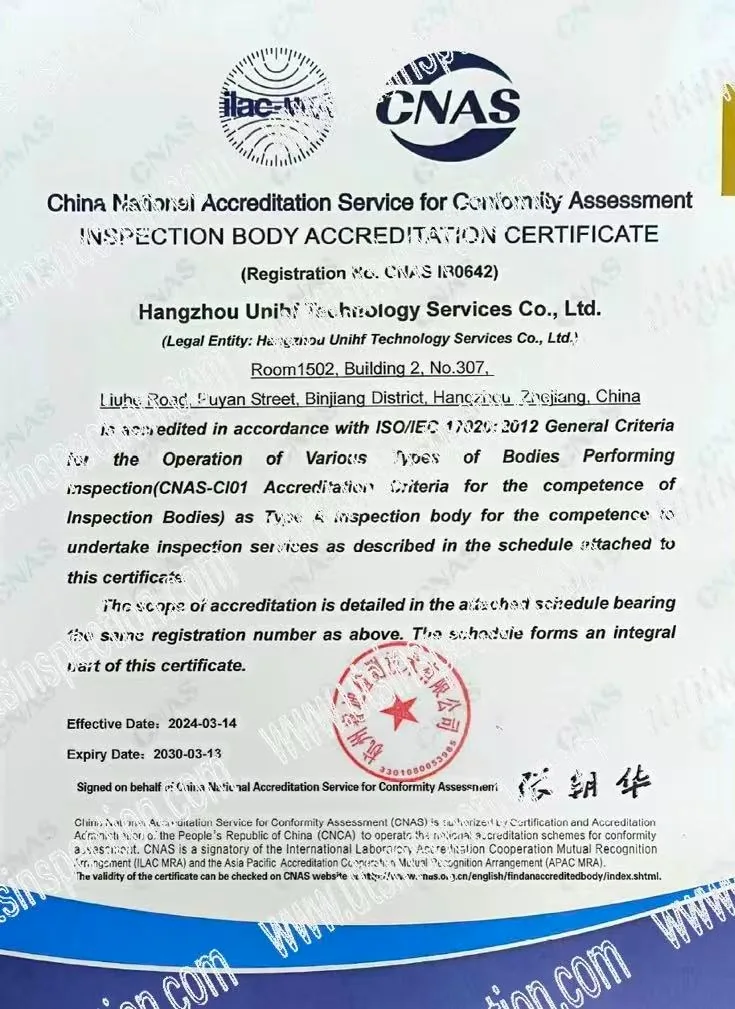
With these on file, the checklist matches your spec — and the factory can't argue about what "acceptable" means.
Two things make molded-parts orders tricky to judge from a distance: one mold can have many cavities, and one order can have many SKUs. We handle both the same careful way.
Tell us the cavity count and we pull parts across cavities — so a worn insert in cavity 7 doesn't hide behind good parts from the rest.
Mixed orders are checked SKU by SKU: quantities, colors, assortment per carton. A shortage of one color doesn't get averaged away.
When several different parts come from one tool, each part gets its own measurements and its own defect count in the report.
Running a mixed order? Read how we handle quality inspection for multi-SKU orders.
First-off sizes, tooling and material confirmed at 5–10% of the run.
Read more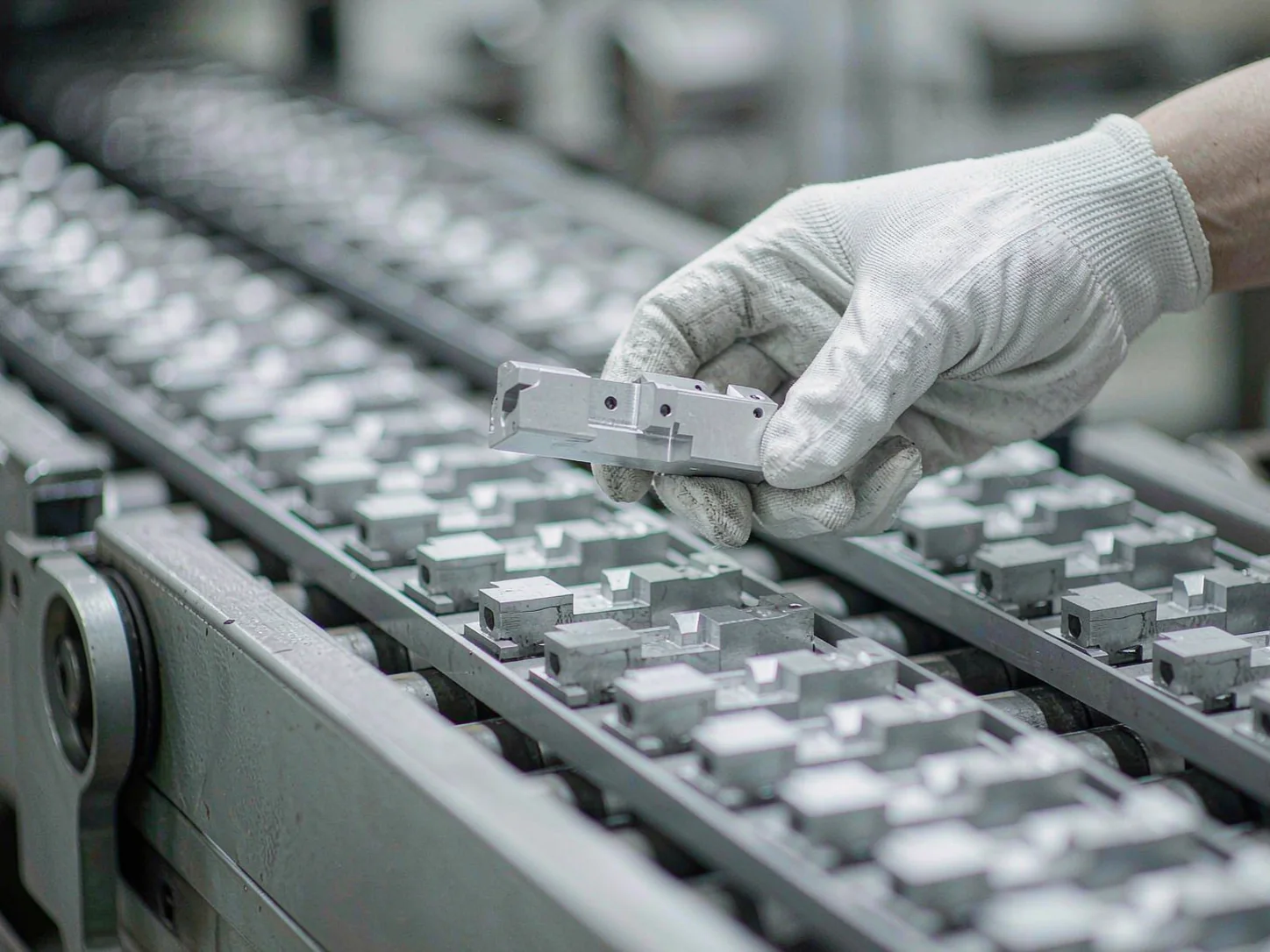
Drift caught at 30–50% finished, while the rest can still be fixed.
Read more
The ship-or-stop check when goods are finished and 80% packed.
Read more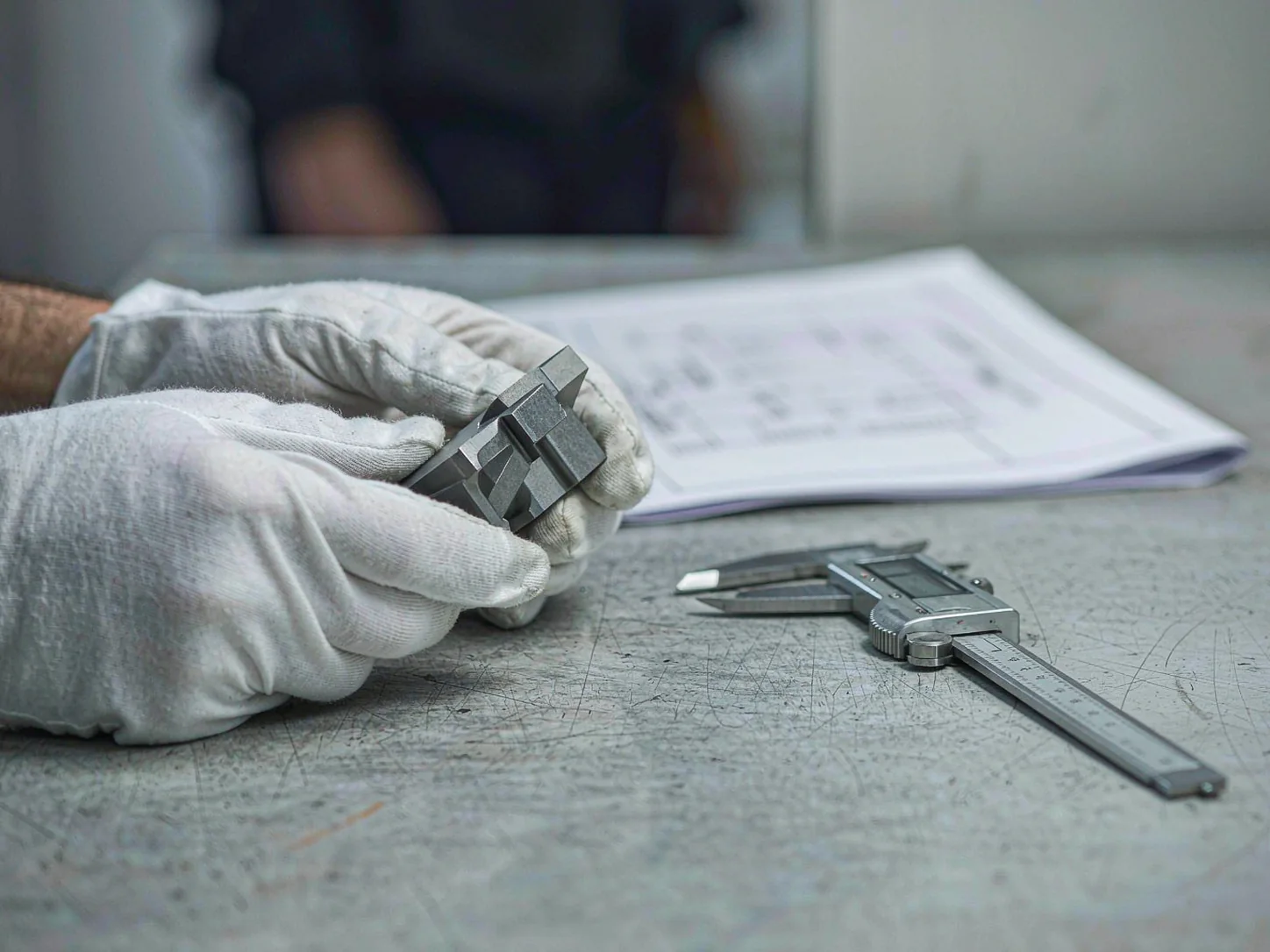
Your golden sample verified in detail before you approve production.
Read more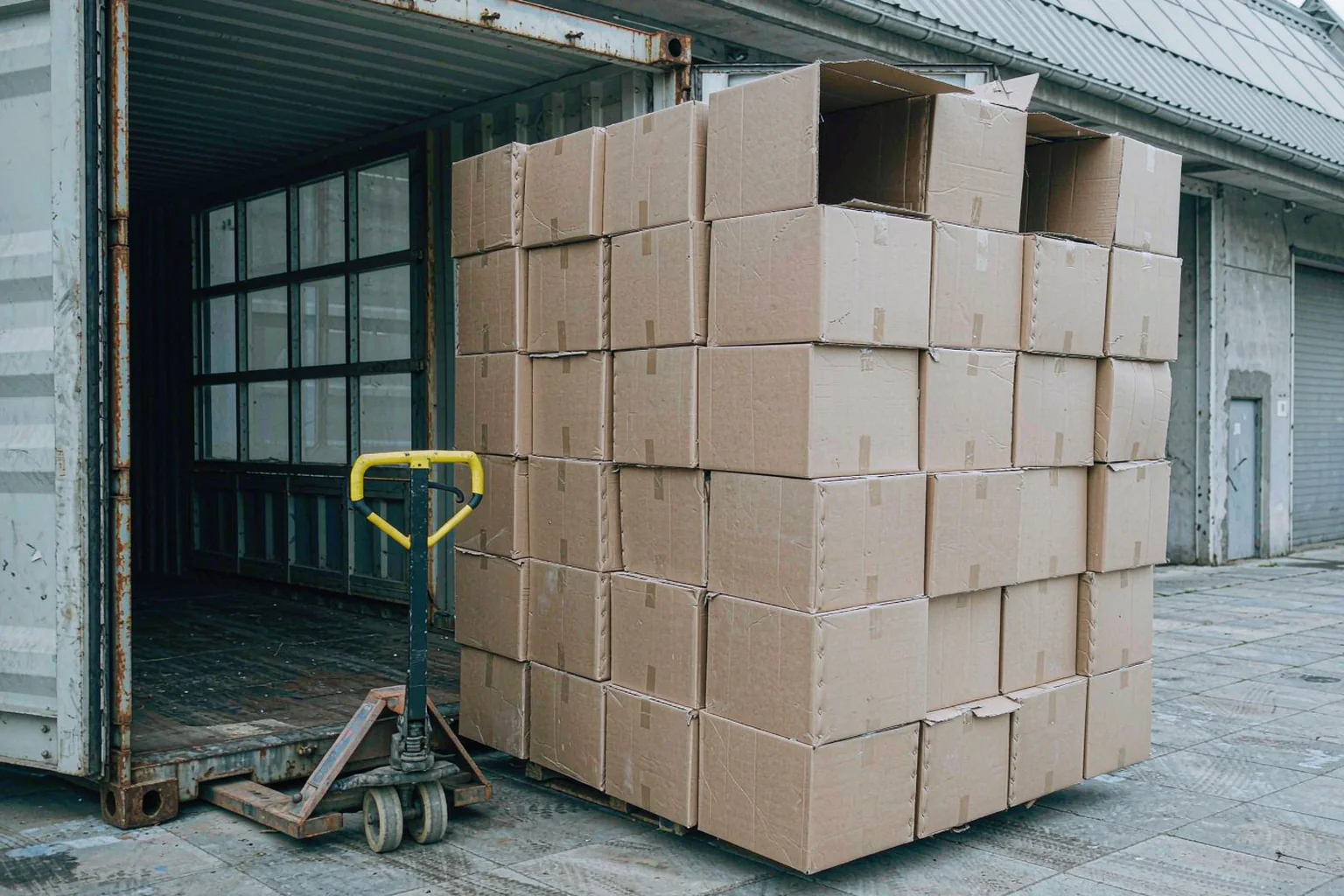
Right cartons, right count, loaded without damage — sealed in front of us.
Read more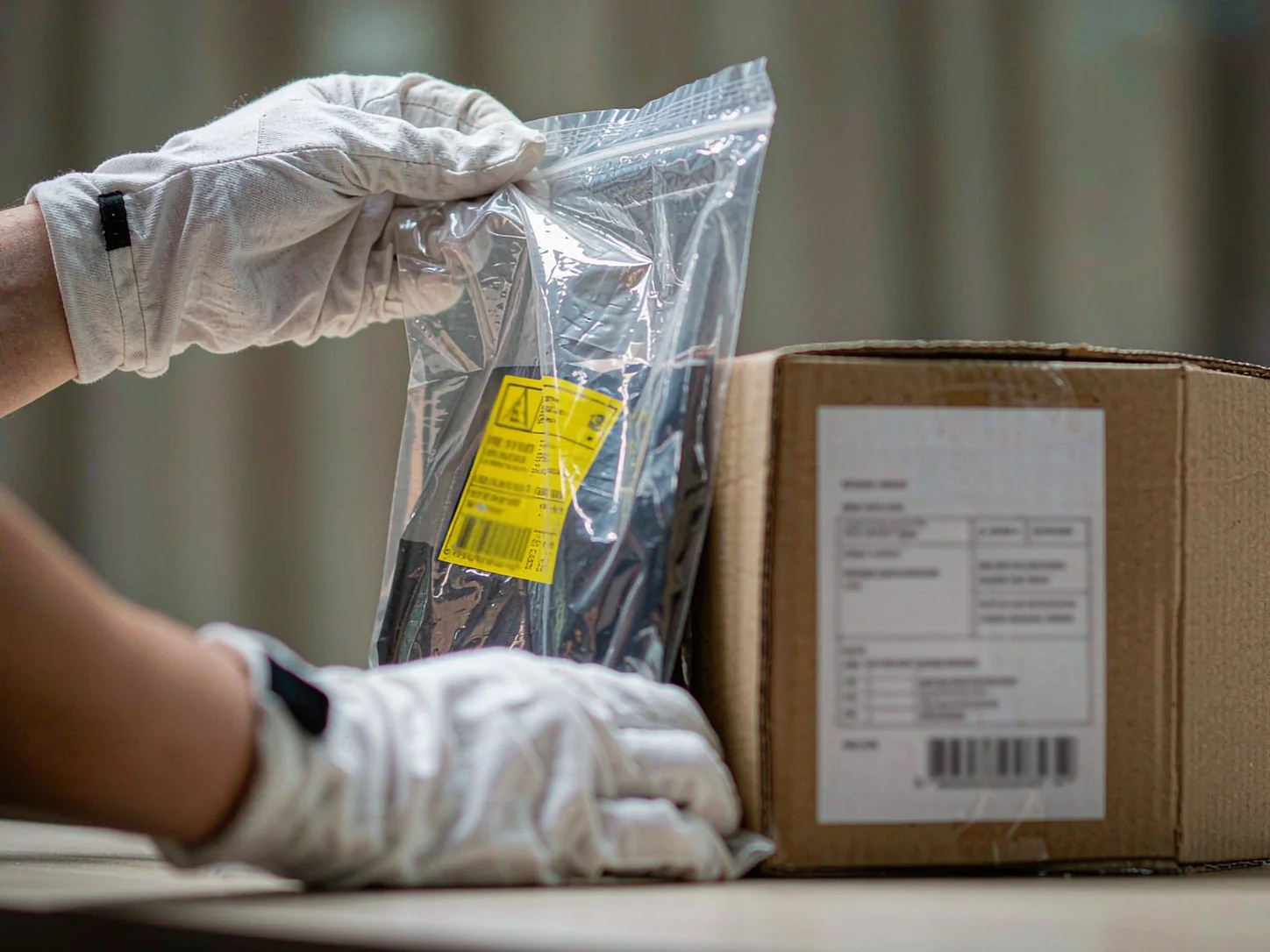
FNSKU, polybag warnings and carton rules checked before FBA sees them.
Read more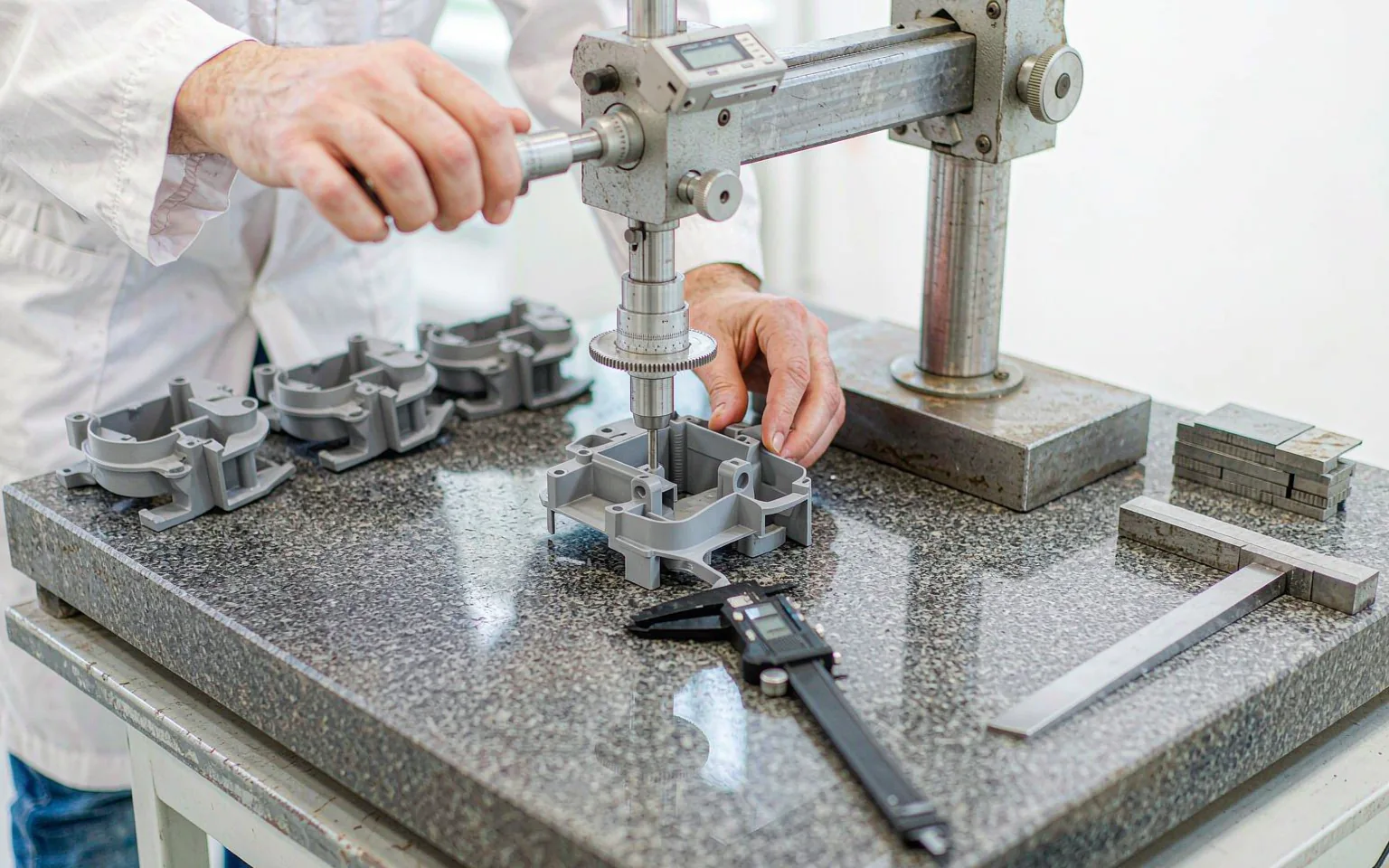
BOM audits, material verification and dimensional validation before the run launches.
Read the article
Sample review, material checks and acceptance criteria that hold up in production.
Read the article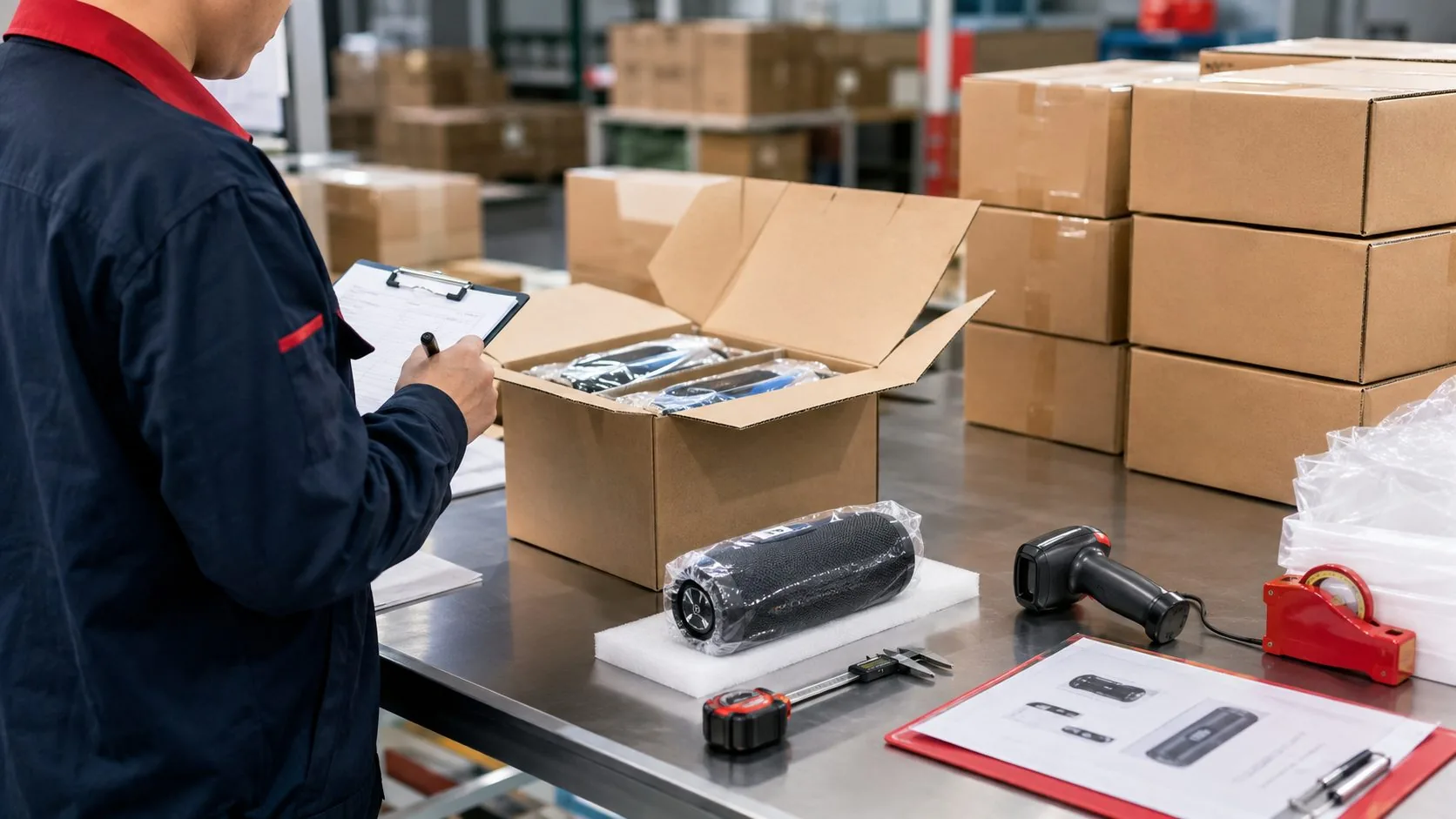
Specifications, AQL setup and the packing files that make the visit decisive.
Read the articleWe sample to ANSI/ASQ Z1.4 (ISO 2859-1), normally at General Inspection Level II, with acceptance limits of Critical 0.0, Major 2.5 and Minor 4.0 unless you set your own. The sample size comes from your lot quantity, and the verdict is a clear pass, fail or hold.
An engineer can be on the factory floor within 48 hours of a confirmed booking, and the full PDF report follows within 24 hours of the inspection.
Appearance defects such as flash, sink marks, short shots, warpage, weld lines, splay, burn marks, voids and color streaks — plus dimensions against your drawing, resin against your PO, assembly fit, function, packing and labeling.
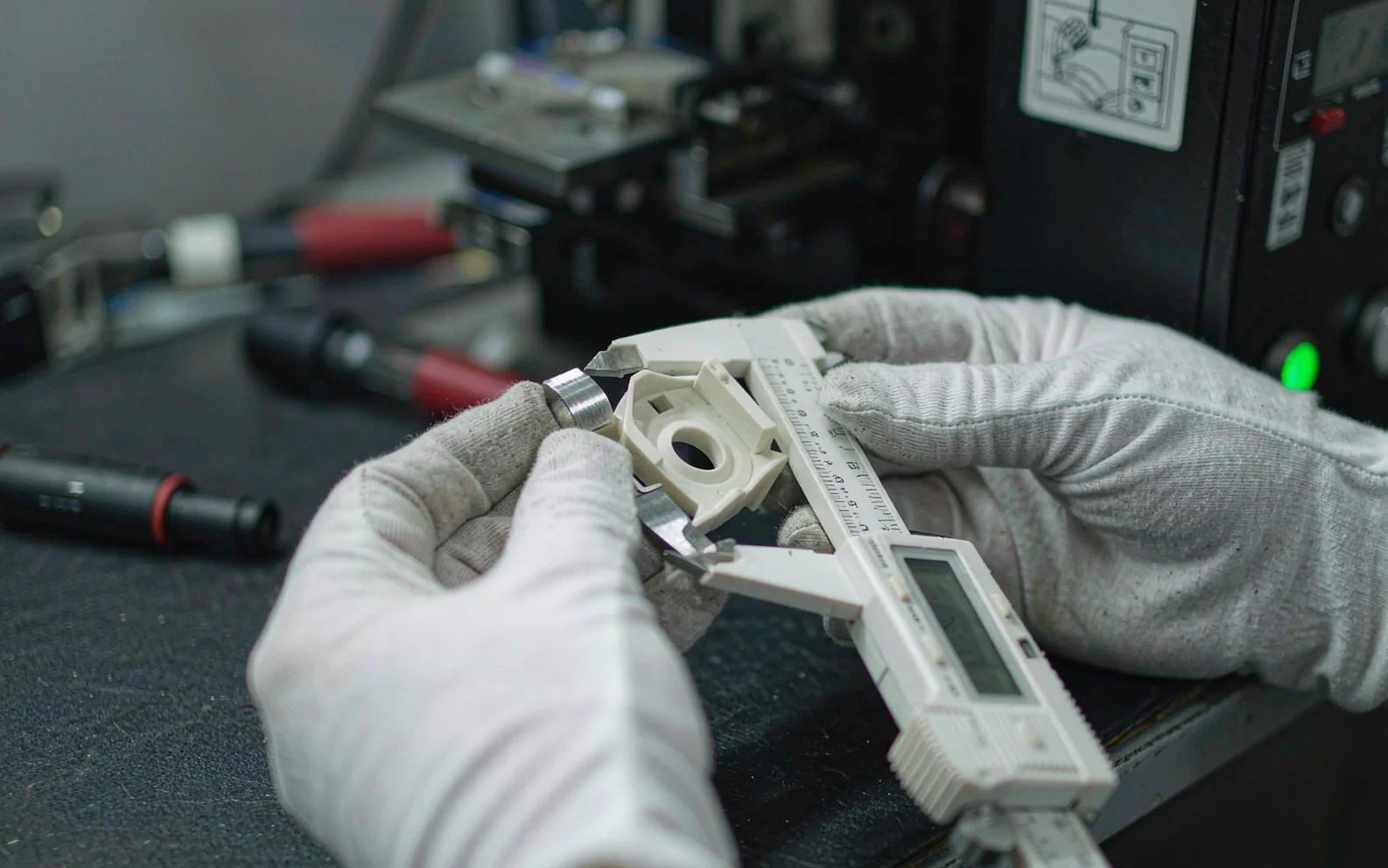
Yes. Send the drawing with critical dimensions and tolerances marked, and our engineers record actual measured values with calibrated calipers and gauges. The report shows numbers, not tick-box OKs.
We check resin grade and filler content against your PO and the supplier's material certificates, and we screen declarations against REACH, RoHS and TSCA requirements for your destination market. Suspected grade swaps or excess regrind are flagged in the report.
You receive a fail verdict with photo evidence and measured values, so you can require the factory to rework, sort or reproduce before shipment. A re-inspection after rework is booked at the same day rate.
Our own engineers cover 13 provinces across China and 13 countries in Asia, including the main molding regions of Guangdong, Zhejiang and Jiangsu.
Tell us the cavity count and we pull samples across cavities. That way a worn insert in one cavity can't hide behind good parts from the rest — the findings show the pattern.
We inspect against your approved sample and your PO instead, and we still record actual measurements for the key sizes. We'll also tell you honestly which checks can't run without a spec — so you can decide before booking.
Pricing is per man-day and depends on your product, your quantity and the factory city. Send your PO and drawing to inquiry@utsinspection.com and we come back with one all-in number — no travel fees in covered cities, no weekend surcharges.
Send your PO and drawing today. An engineer is at the factory within 48 hours — and within 24 hours of the visit, the report is in your inbox, every defect photographed and graded.
Book an InspectionEmail Your PO & Drawinginquiry@utsinspection.com · +86 757-86783812 · +86 571-87423201