Tel
+852-61343425
A machine that switches on is not a pass. We run it, measure it and check its safety, markings and crating at the factory — before you pay the balance and before the crate closes.


Most machinery buyers who call us already paid for a lesson once. These are the four that come up again and again.
Everything is measured against your PO, your drawings and your approved documents — not the factory's word.
PO, drawings, manuals, rating-plate data and the spare-parts list are reviewed before anyone powers the machine. Conflicts get clarified with you first.
Welds, paint and coating, rust at joints, fasteners, sharp edges, panel fit, and hoses or cables routed so they don't rub on moving parts.
Measured against your drawings, not the sales brochure. An oversize or overweight machine breaks installation plans and freight budgets.
Sampled units run through their operating stages. Guards, covers and the emergency stop get checked on every unit we test.
Voltage, frequency, plug type and input power against your destination market. CE, ETL and RCM marks matched with the paperwork behind them.
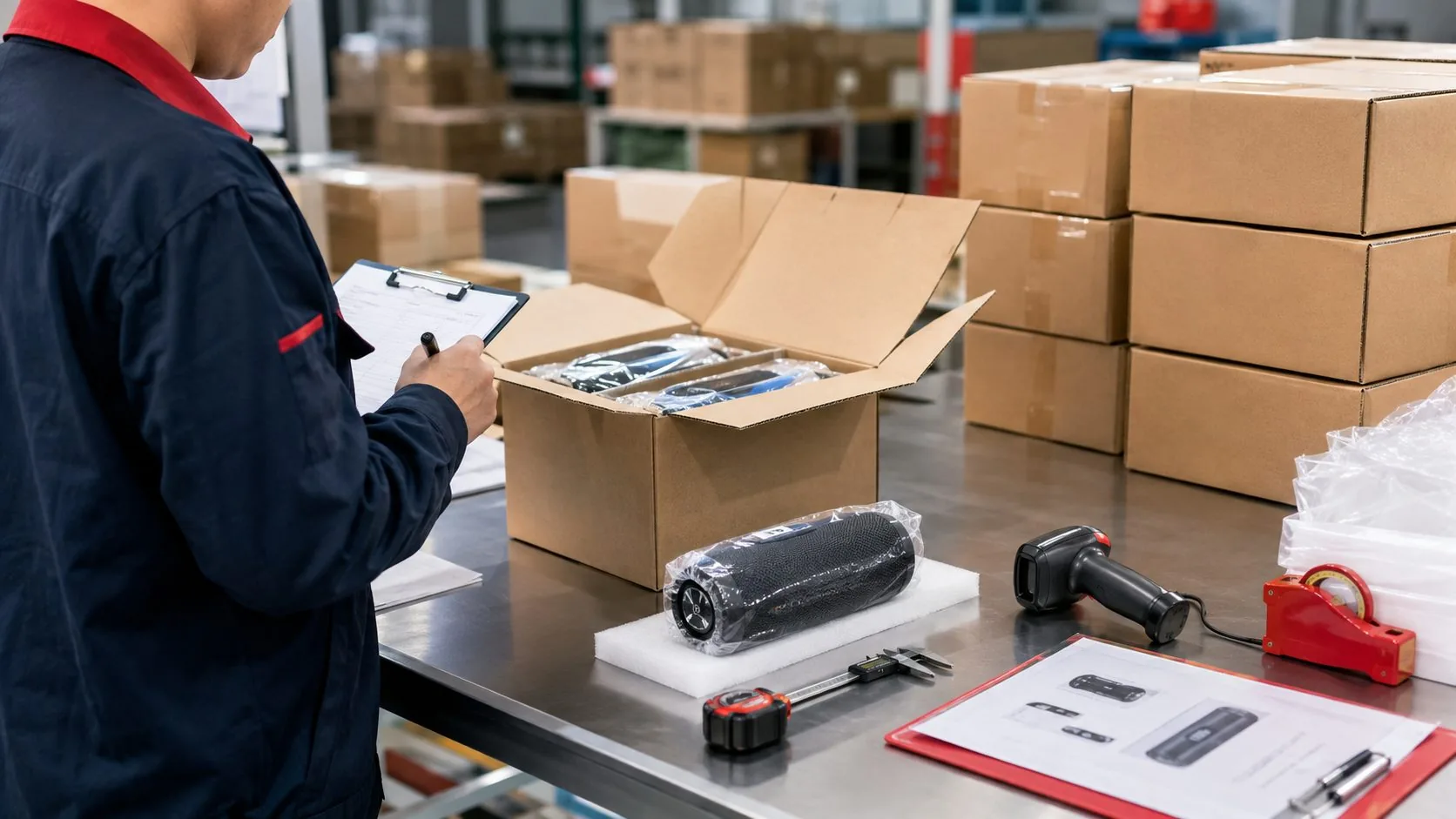
Attachments, tools, spare parts and manuals counted against the PO. Crates checked for the trip ahead, not just for the photo.
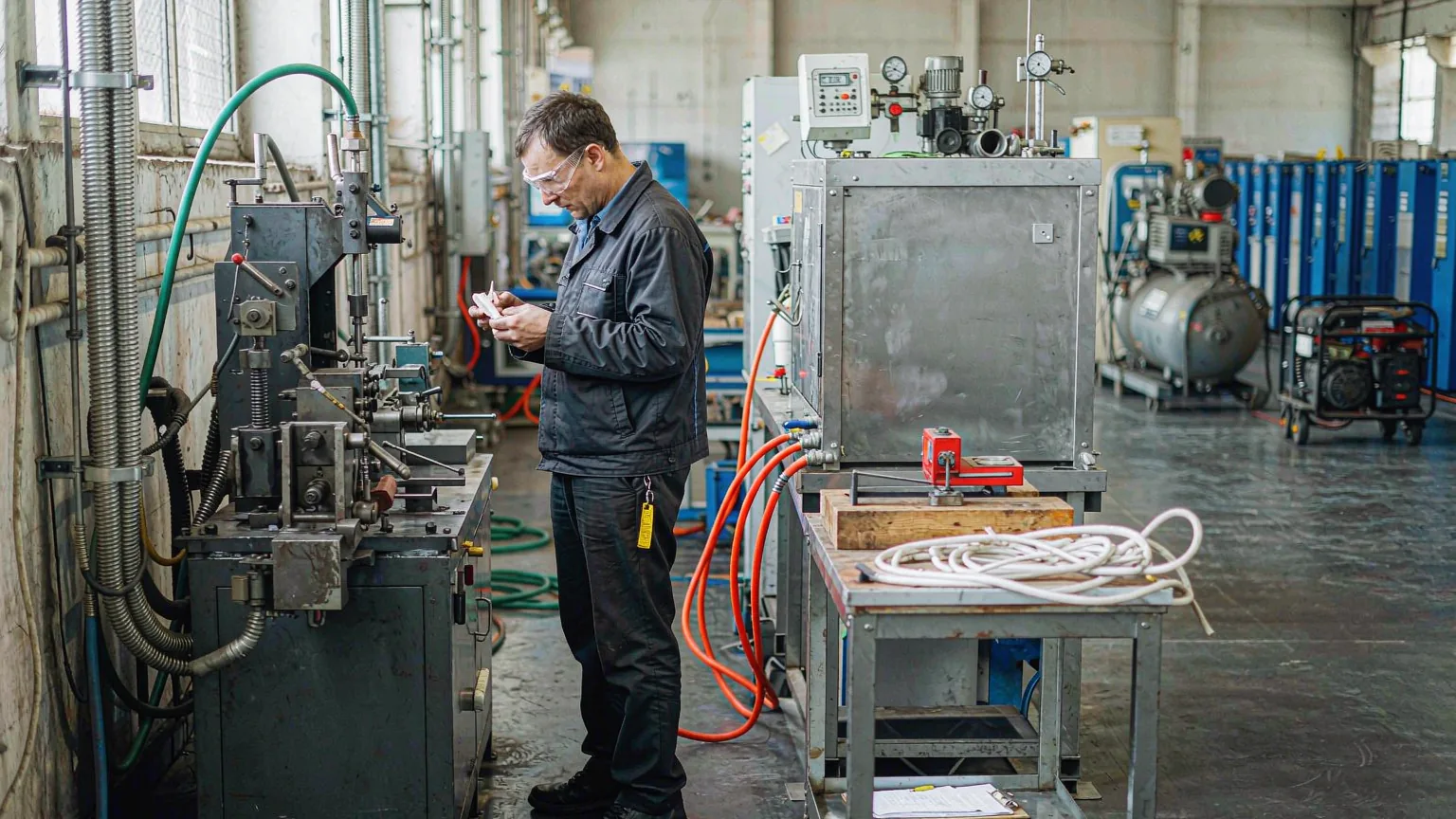
From benchtop units to production-line machines. If your order has moving parts, a motor or a control panel, this checklist applies.
Most machinery buyers book the final check. On a custom-built machine, catching problems earlier is much cheaper.
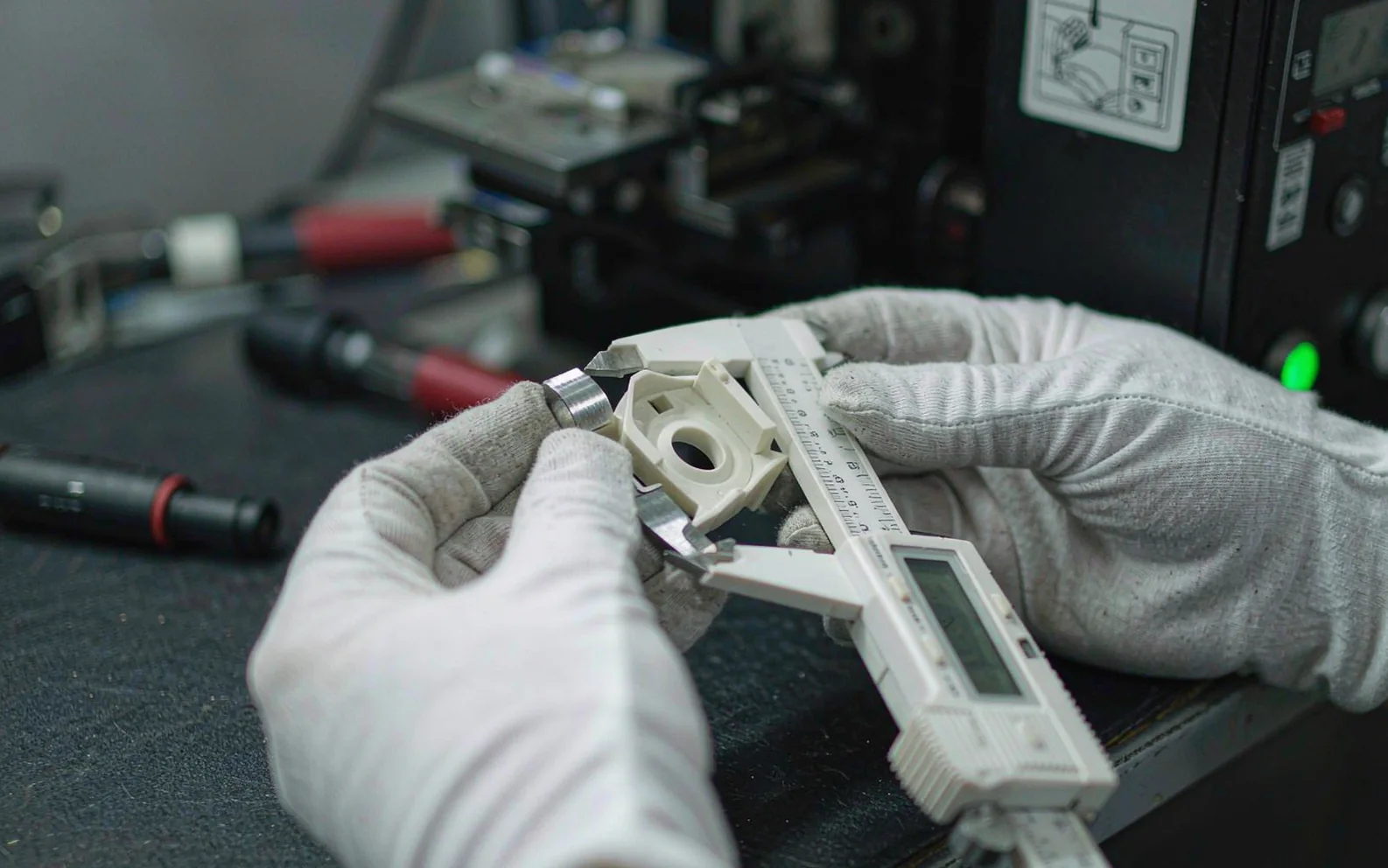
Materials, components and the first assembled units checked against your drawings. Wrong steel grade or wrong motor gets caught before the run.
About Initial Production Inspection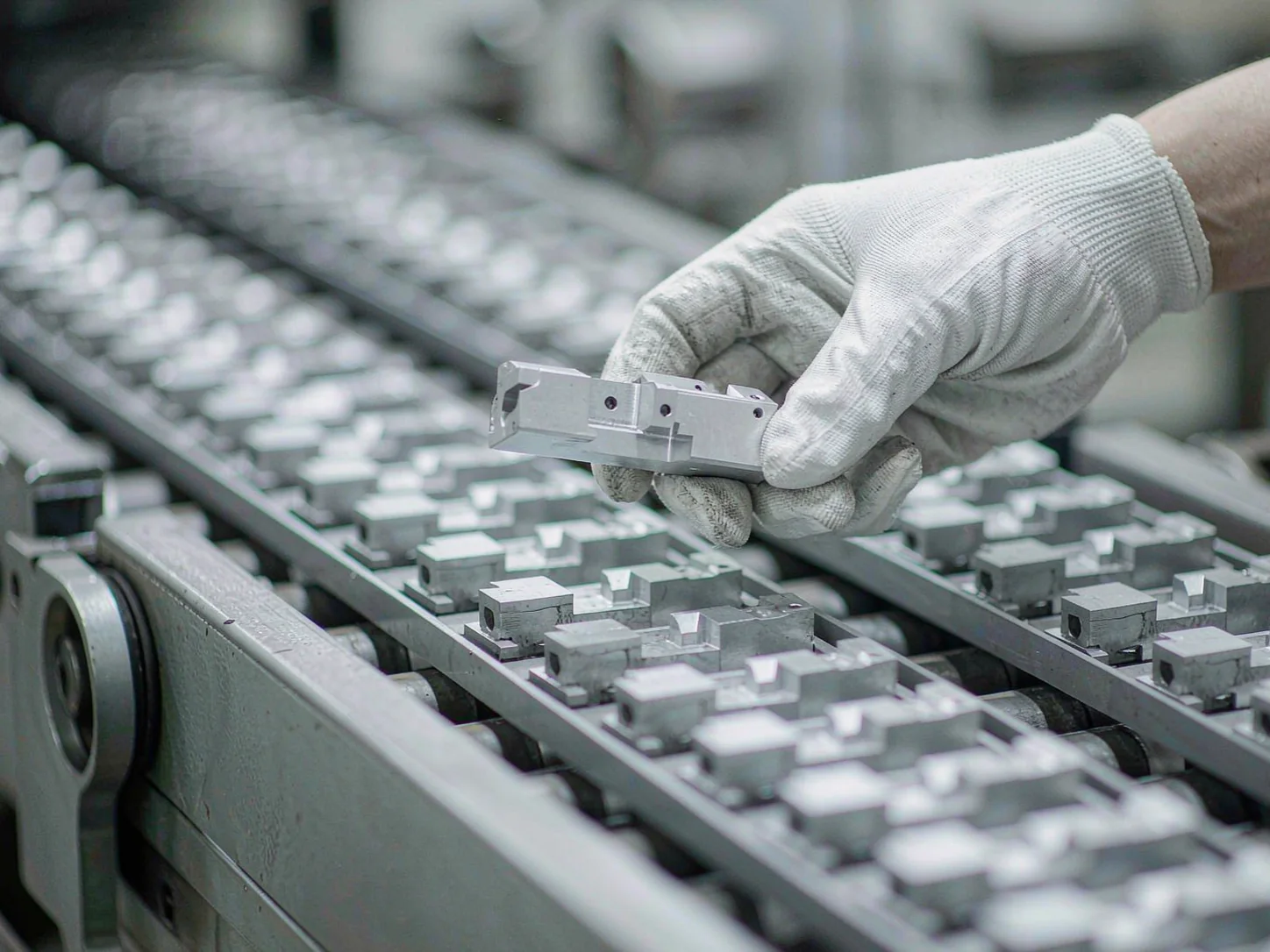
Assembly is under way. We compare output with the approved spec and catch drift before every unit carries the same mistake.
About During Production Inspection
Function runs, safety checks and packing verification on the finished machines. The pass or fail answer before you pay the balance.
About Final Random Inspection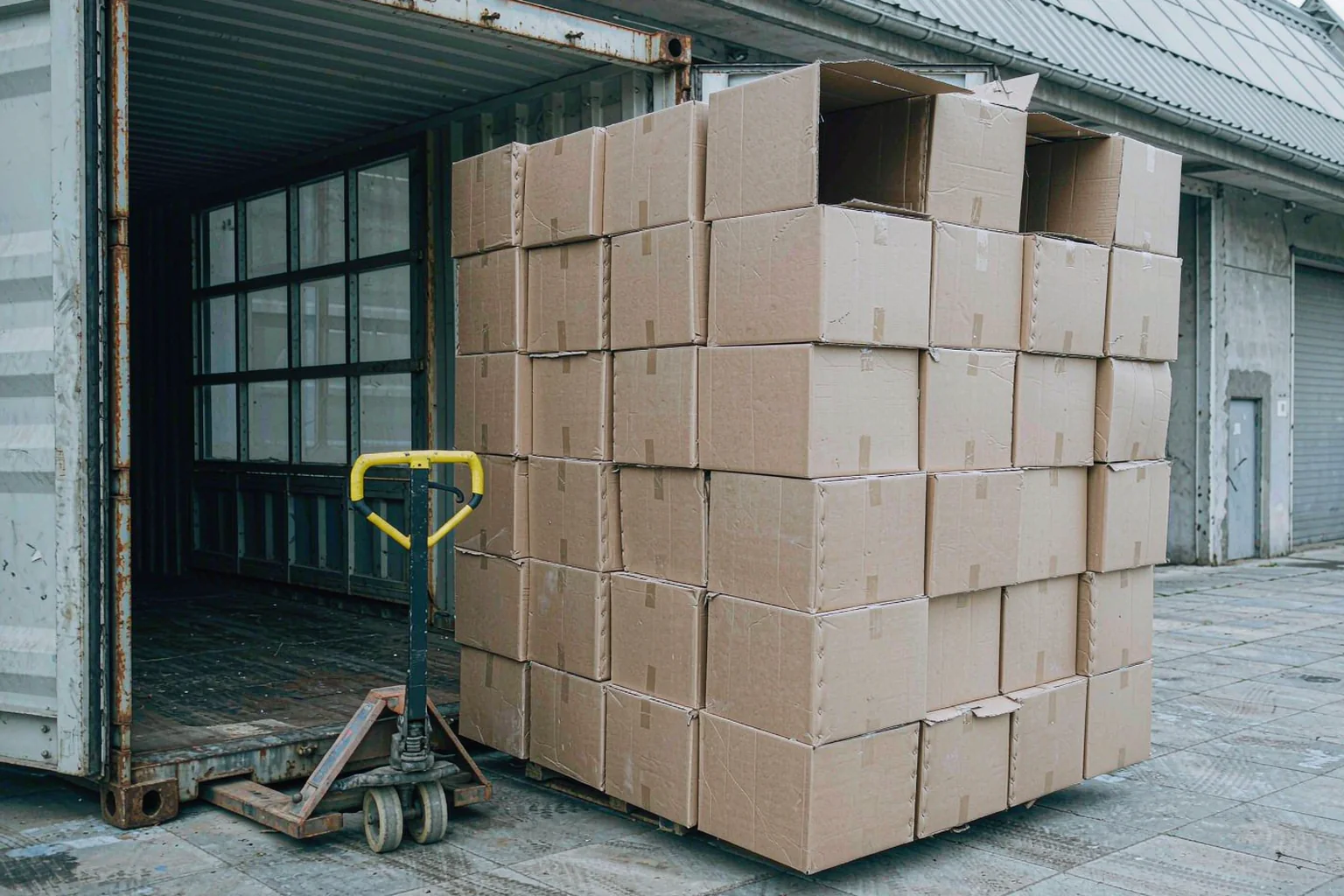
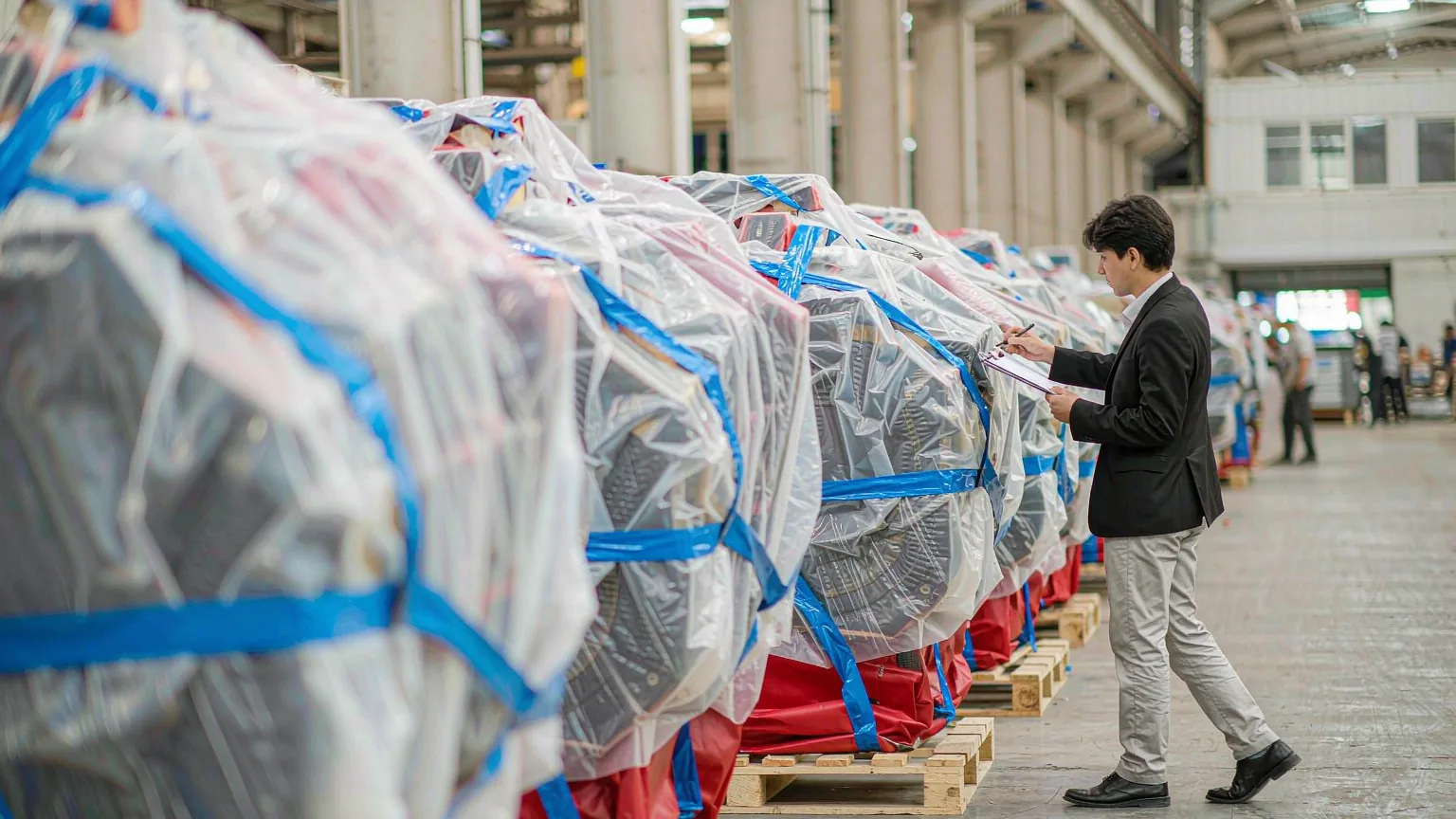
Crated machines are heavy and awkward. We watch the loading, check the securing and record the seal number before the doors close.
About Container Loading SupervisionA machine can power on and still fail where it matters. The same stage-based method we use on appliances applies to your equipment.
See the method in detail: Washing Machine Inspection Checklist — the same stage-by-stage logic, applied to appliances.

One full-time UTS engineer, your checklist, and a full day at the factory.
Arrival and status checkProduction and packing status confirmed first — the machines are really finished and really there, not "ready next week".
Documents on the tablePO, drawings, manuals and rating-plate artwork cross-checked against what is actually being built.
Samples pulled to the planUnits pulled per the agreed sampling plan — or every machine, when that's what you booked.
Machines run, not just seenEach sampled unit goes through its operating stages. Errors, alarms and abnormal noise get recorded as they happen.
Measured and photographedDimensions, weight, electrical values and every defect — photographed with something in frame for scale.
Packing, marks and countCrates, securing, shipping marks and the final count against your packing list, before anything closes.
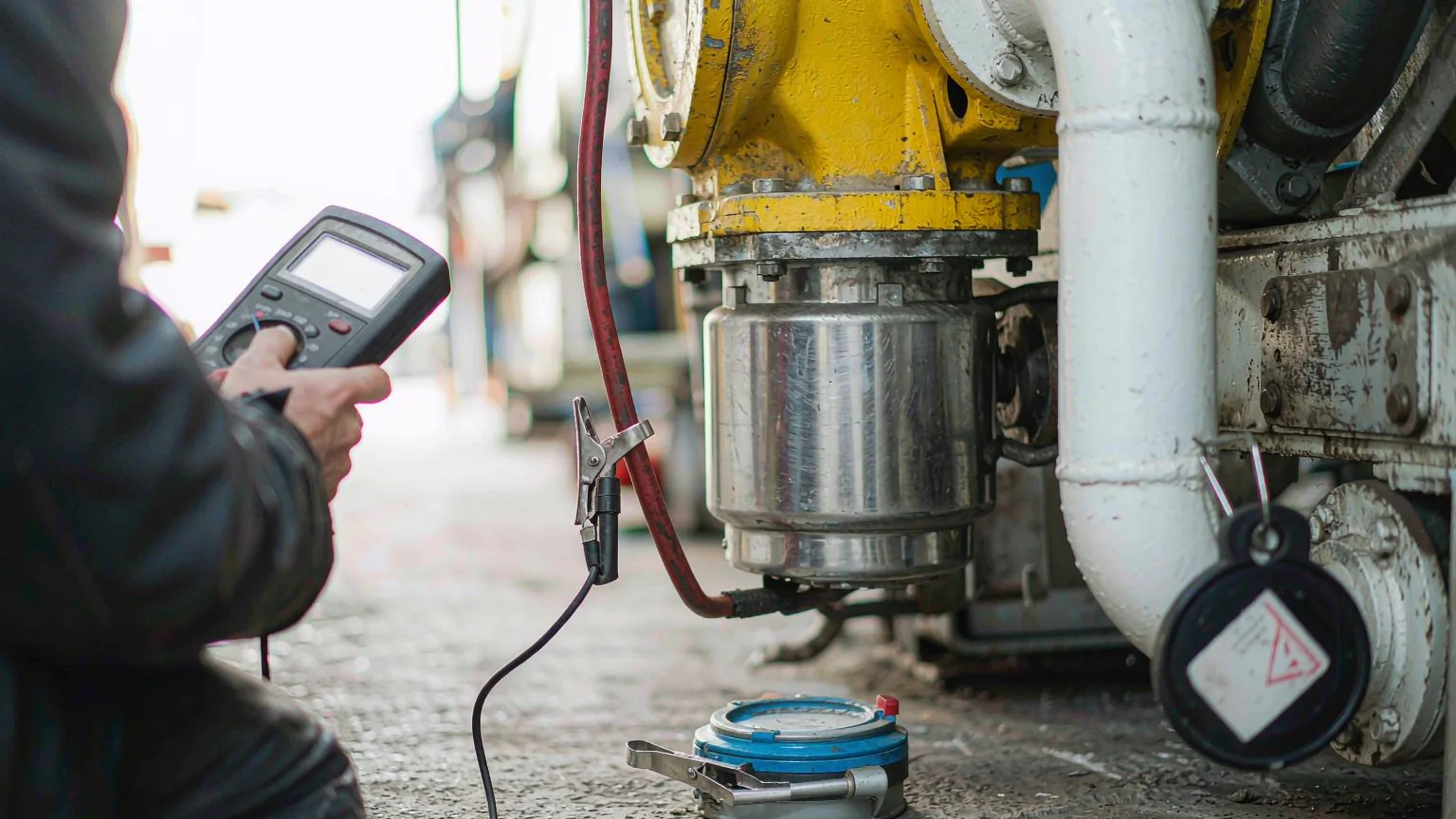
Measured against the rating plate where the approved scope includes it.
Checked against your drawings — installation space and freight class depend on them.
Measured with suitable equipment when a defined method and acceptance value exist.
Grinding, scraping, knocking and excessive movement are recorded and filmed, not shrugged off.
Seals, hoses, pumps and gearboxes checked during and after the run.
Every sampled serial number and barcode scanned and matched against your list.
Measured values need a defined method and a buyer-approved acceptance value. Where your spec sets the number, your document wins.
Guards and covers in place over moving parts. Emergency stop pressed, not just pointed at. Warning labels present and legible. No sharp edges where hands go, no oil leaks at seals, no cables rubbing where the machine moves. Safety covers removed for testing must go back on before packing — we check that too.
A CE mark is checked for placement and matched with the Declaration of Conformity and the exact model — see how CE marking checks work. ETL marks are checked for format, control number and model consistency (ETL listed meaning), and RCM supplier registration for Australia and New Zealand (RCM marking checks).
Straight talk: we check that marks, labels and paperwork are consistent. Certification itself is issued by laboratories and notified bodies — never by an inspection.
Typical findings on machinery orders. Cheap to fix at the factory, painful to fix after the crate opens.
Runs, then dies mid-cycleThe machine powers up but stalls, overheats or throws an error under normal operation. Found at the factory, not at your customer's site.
Wrong voltage or plugA 220 V unit built for a 110 V market, or a plug your customer can't use without an adapter.
Guards missing or looseSafety covers removed for testing and never reinstalled, or emergency stops that don't stop anything.
Rust under the paintCoating sprayed over unprepared metal. Corrosion at welds, fasteners and unpainted edges shows up weeks later.
Oil and fluid leaksSeepage at seals, hoses and gearboxes during and after the run — a return waiting to happen.
Wiring shortcutsCables routed across moving parts, loose terminals, missing grounds, panels that don't close flush.
Accessories shortTools, attachments, filters and spare parts counted against the PO — the box that ships without them costs you a complaint.
Manual mismatchWrong language, wrong model, or safety pages missing. On machinery, the manual is part of the product.
More factories now run cameras, lasers and X-ray on the line. That helps — but a supplier's dashboard is not proof your order passed.
More on this: Automated Quality Inspection in Manufacturing — how importers should read machine-vision data.


Our office team reads your PO, drawings, manuals, rating-plate artwork and packing files — then confirms the checklist and test scope with you before anyone enters the factory.
Machinery travels rough: forklifts, cranes, weeks at sea. We check the packing the way the trip will treat it.
Loading day option: container loading supervision puts an inspector at the container to watch the securing and record the seal number.

We sample by the standard US and EU buyers know, and the report says exactly how many units each check covered. See the ANSI sampling tables and our defect classification guide.
Machinery lots are often small. A run of ten large machines can be checked unit by unit instead of sampled — tell us the lot size and we confirm the plan with you before booking. Your own approved criteria can replace these defaults on any order.

Missing guards, failed emergency stops, live wiring exposed — one critical finding fails the lot.
Problems that stop the machine working or selling: function failures, leaks, wrong voltage, missing accessories.
Small cosmetic flaws — paint blemishes and finish marks that don't affect operation or safety.
Production and packing status, lot size, the units checked, the AQL applied, defect counts with photos, every test condition and the actual measurements — including anything that couldn't be checked on site, and why.
Clear pass / fail / hold result — release, rework or reject with evidence in hand.
Re-inspection after rework confirms the fixes and checks for new problems before the machines ship.
An inspection does not replace certification or lab testing. We don't issue certificates, and the release decision always stays with you.

Guangdong, Zhejiang, Jiangsu, Fujian, Shandong and the rest of the manufacturing belt — including the machinery clusters around the Pearl River Delta and the Yangtze River Delta.
Hong Kong, Taiwan, South Korea, Vietnam, Thailand, Malaysia, India, Indonesia, the Philippines, Bangladesh, Pakistan, Turkey and Cambodia.
Early checks on the first units, mid-production checks at 30–50%, a final random inspection when machines are finished and 80% packed, or loading-day supervision.
No hidden lines on the invoice. Here is the whole pricing logic.
Exact numbers come with your order details. Every quote is confirmed in writing before anyone travels.
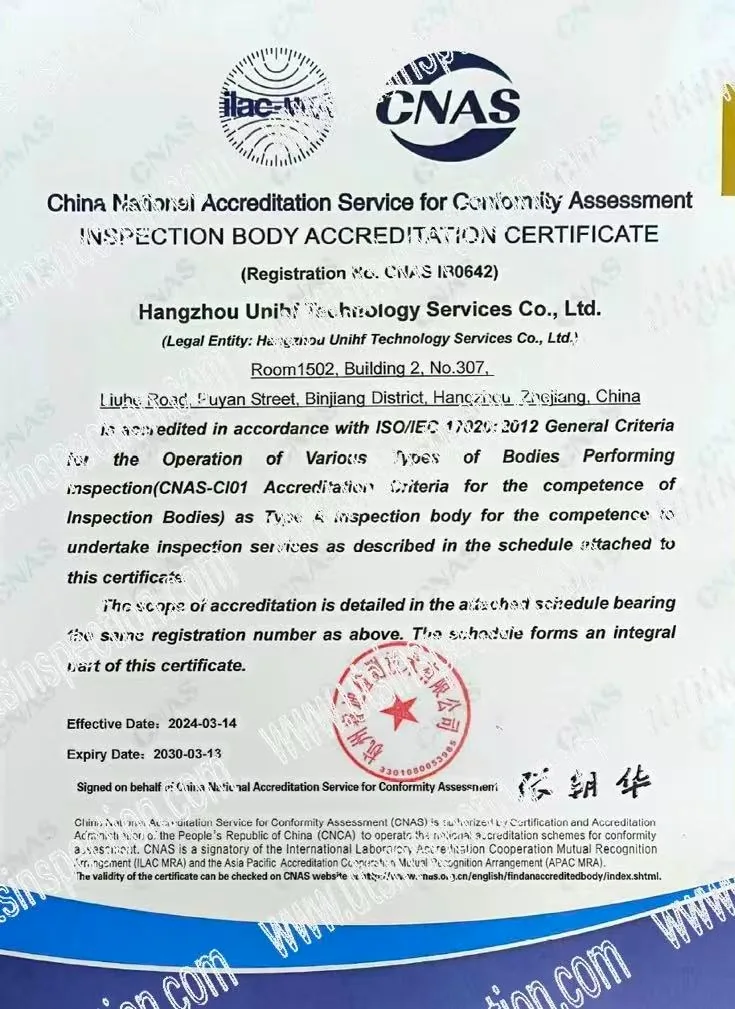
UTS is accredited by CNAS against ISO/IEC 17020 — the international standard for inspection bodies — and runs an ISO 9001:2015 quality management system. We have been inspecting products for importers since 2006, with full-time, university-educated engineers on staff.



Importers, retailers and brands across the US and Europe use UTS for pre-shipment quality control.








PO, machine list, drawings, manuals, rating-plate artwork, packing files and test requirements.
Our office reads every document, prices the job per inspector-day, and asks you first when anything conflicts.
A full-time UTS engineer runs the machines, works the checklist and photographs everything.
You get the PDF report with photos within 24 hours and decide: ship, rework or reject.
No. A third-party inspection verifies that the sampled machines match your purchase order, approved specification and marking documents. Certification, notified-body assessment and laboratory performance or endurance testing are separate services that an on-site inspection cannot replace, and UTS does not issue certificates or approve the use of certification marks.
Basic functions are always run on the sampled units. Loaded runs, measured values and special tests are only carried out when the load, method and acceptance values are defined in your approved documents, and when the factory setup — power supply, installation and test conditions — allows a valid result. Anything that cannot be checked on site is stated in the report, with the reason.
The default baseline is ANSI/ASQ Z1.4 with General Inspection Level II, Critical: none permitted, Major: AQL 2.5 and Minor: AQL 4.0. For small lots of high-value machines, buyers often choose to have every unit checked instead of sampling. The plan is confirmed with you before the inspection is booked.
For major manufacturing areas in China and across Asia, an inspector is on-site within 48 hours of booking. The photo-documented PDF report follows within 24 hours of the inspection.
Defects are labeled, photographed and classified as critical, major or minor in the report. You decide on rework, acceptance of deviations or rejection, and a re-inspection can be booked after the factory reworks the machines.
The purchase order, the machine and quantity breakdown, approved specifications or drawings, manuals, rating-plate artwork, packaging files, accessory and spare-parts lists, plus any buyer-defined test requirements. Where documents conflict, the office team asks you before the inspection, not after.
Both. The scope follows your purchase order — a single benchtop unit, a batch of identical machines, or several different machines in one project. Each machine type gets its own checklist, and loaded or measured tests are run when the method and acceptance values are defined in your approved documents. Send the machine list and we confirm the plan before booking.
Inspections are priced per inspector-day and depend on the factory location, the number of machines and the test workload. There are no travel fees and no weekend surcharges. Send your purchase order and factory address for an exact written quote.
Same team, same booking process, same 24-hour report.

Crate count, container condition, securing of heavy machines and seal number — recorded on loading day.
About loading supervision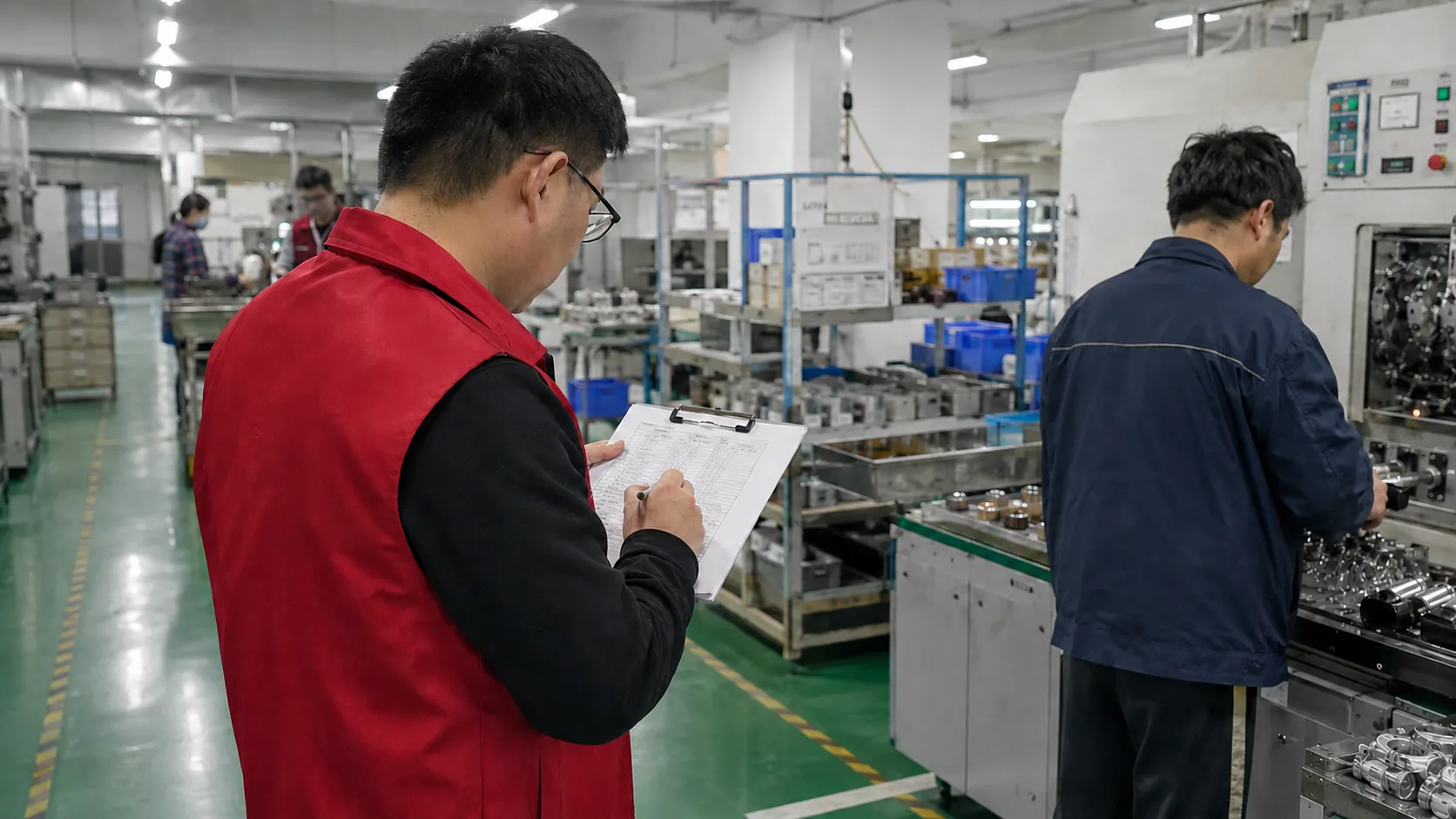
Before you wire a deposit: company details, production areas, equipment and real operating conditions, checked on site.
About factory evaluation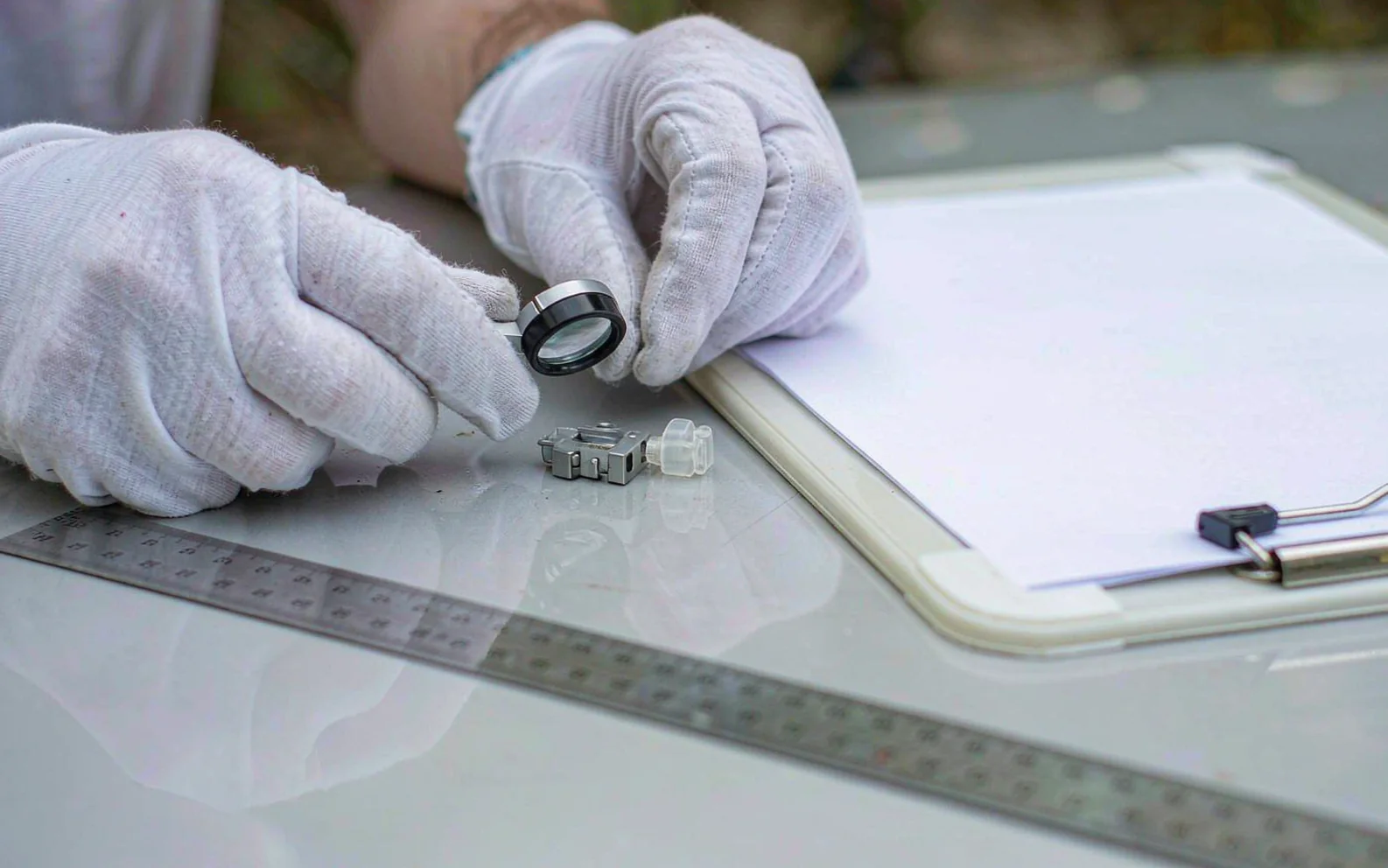
Every machine checked instead of a sample — the right call for small lots of high-value equipment.
About full inspection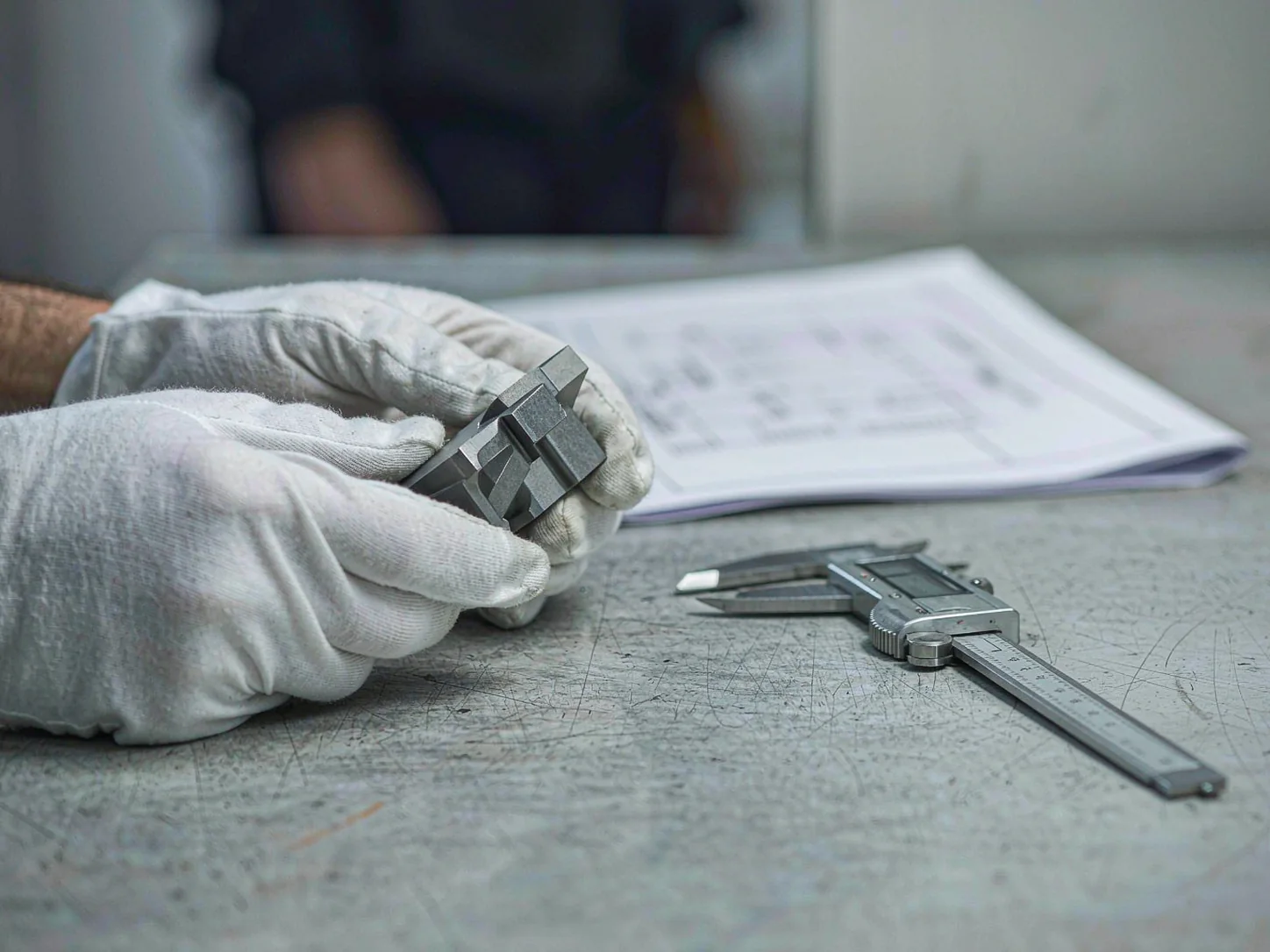
The pre-production machine checked against your drawings and spec — before the bulk run starts.
About sample evaluationMachinery buyers usually have other product lines in the same container plan. Same booking, same 24-hour report.

Electrical function, hi-pot and grounding checks, assembly quality, labeling and packaging.
Lighting inspection checklist
Stage-by-stage function runs, leakage, noise and vibration — the same method as machinery.
Appliance inspection checklist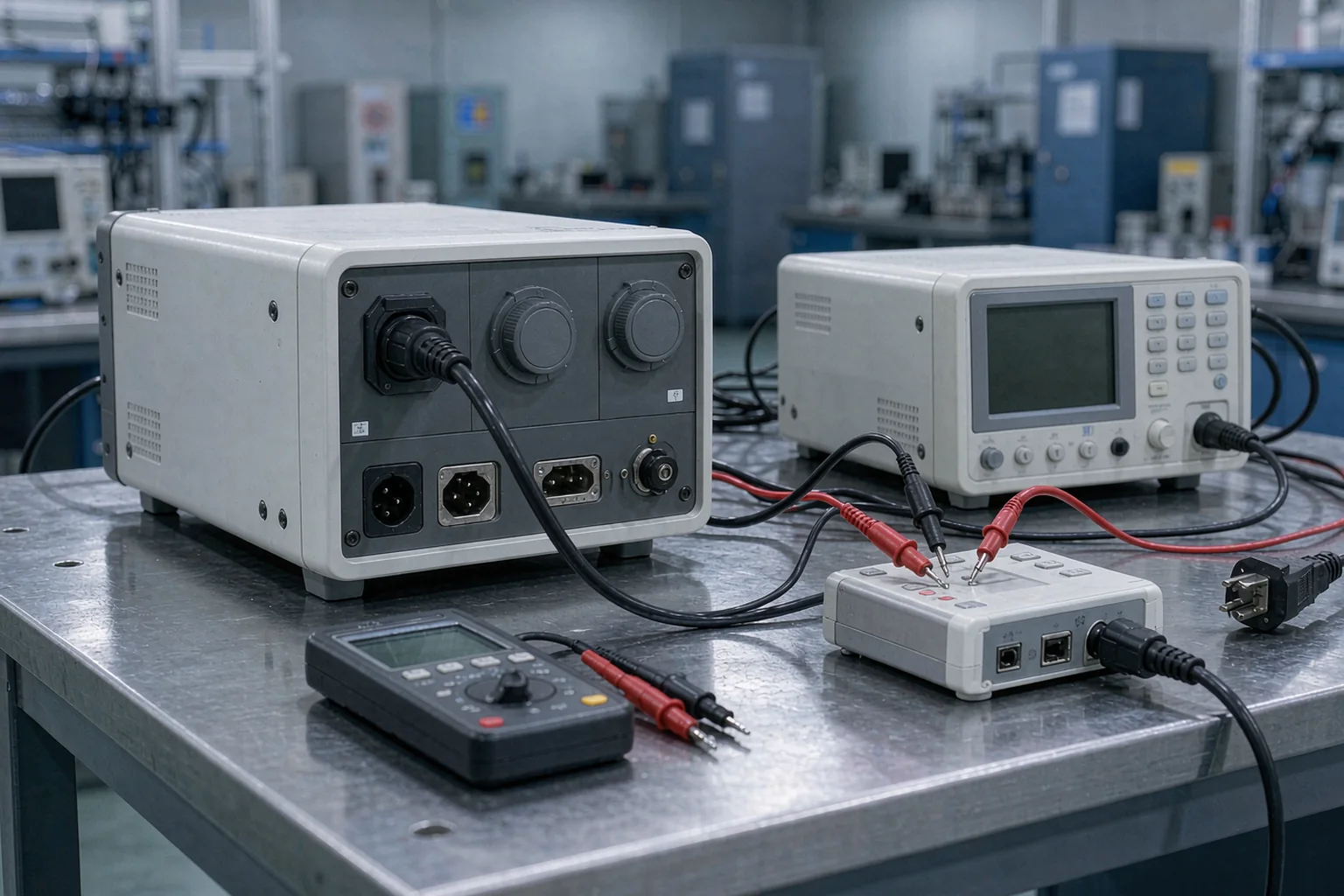
Function, safety and workmanship checks for consumer and industrial electronics orders.
Why electronics need third-party QC
Stability tests, sharp-edge checks, load checks and packaging review for heavy goods.
Furniture inspection checklistSend your PO and machine specification — we confirm the checklist and test scope with you, then send a full-time UTS engineer to the factory.