Tel
+852-61343425
Mugs, plates, bottles, vases — we check them at the factory before they ship. If something is wrong, the factory fixes it on the spot. You don't find out after the container arrives.
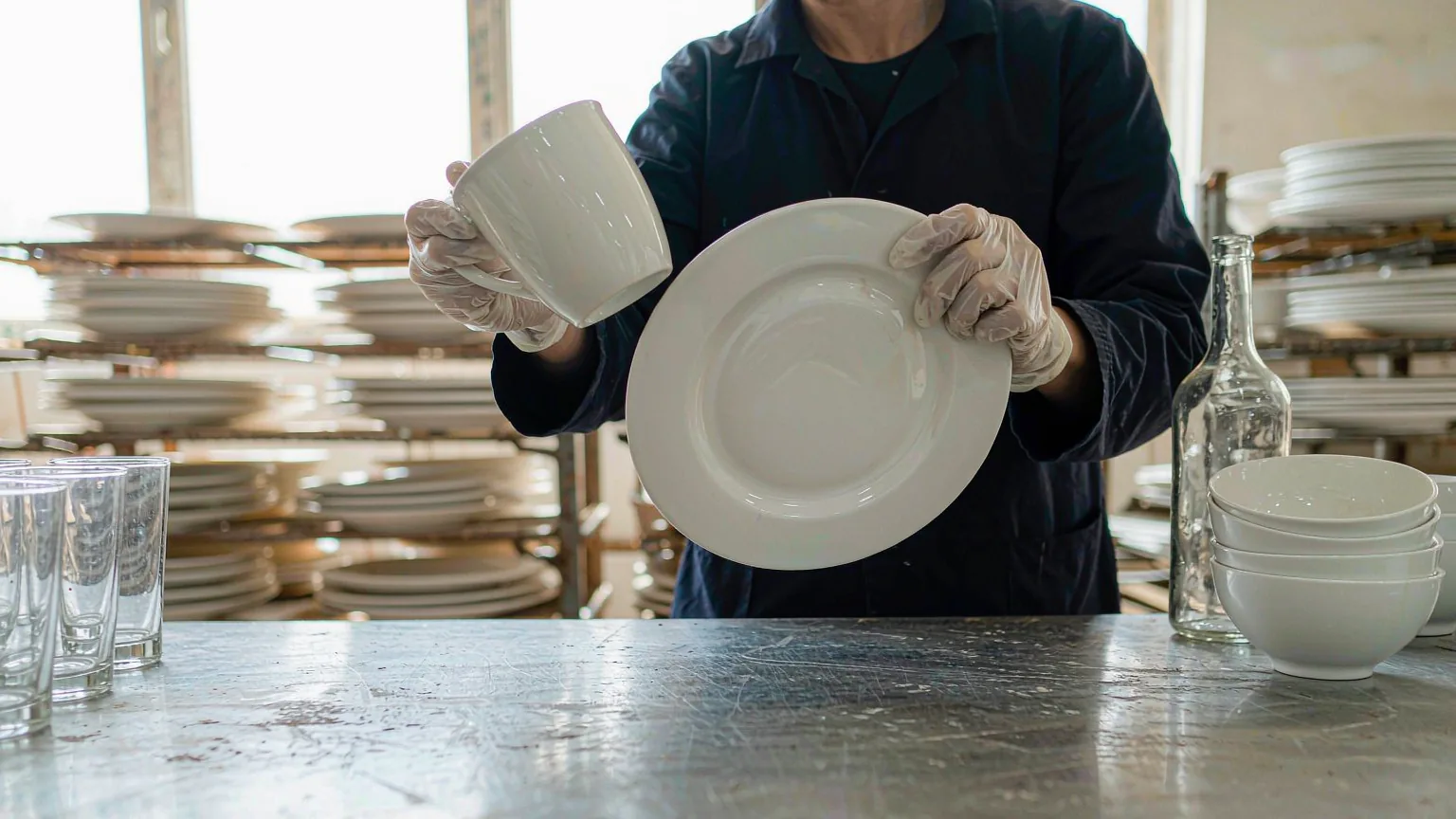
Everything is measured against your PO, your spec and your approved sample — not the factory's word.
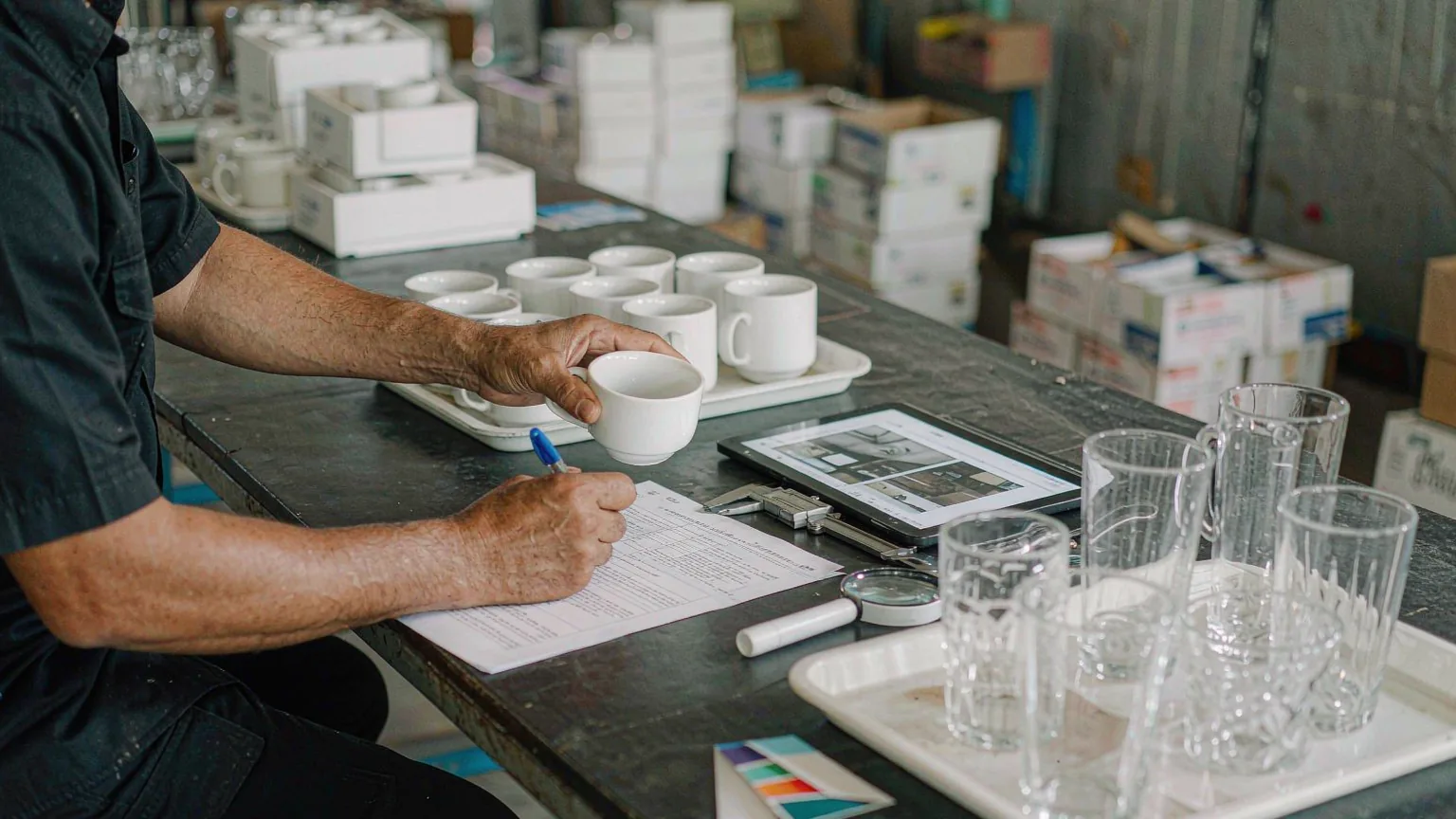
Black specks, pinholes, bubbles, scratches, thin or uneven glaze. Each one gets measured, photographed and graded against your limits.
Body color checked against your Pantone reference. Decals, prints and logos checked for position, sharpness and spelling.
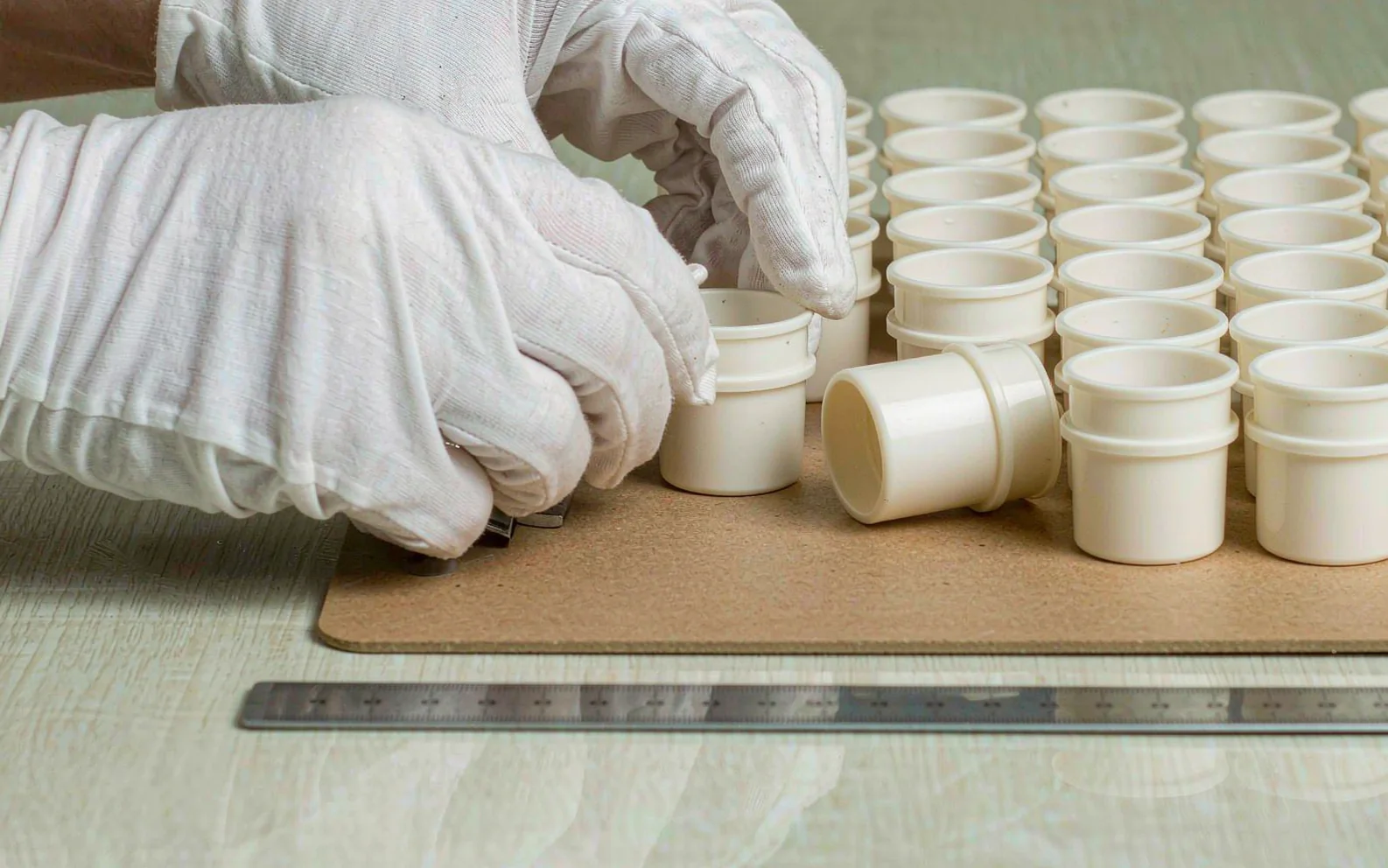
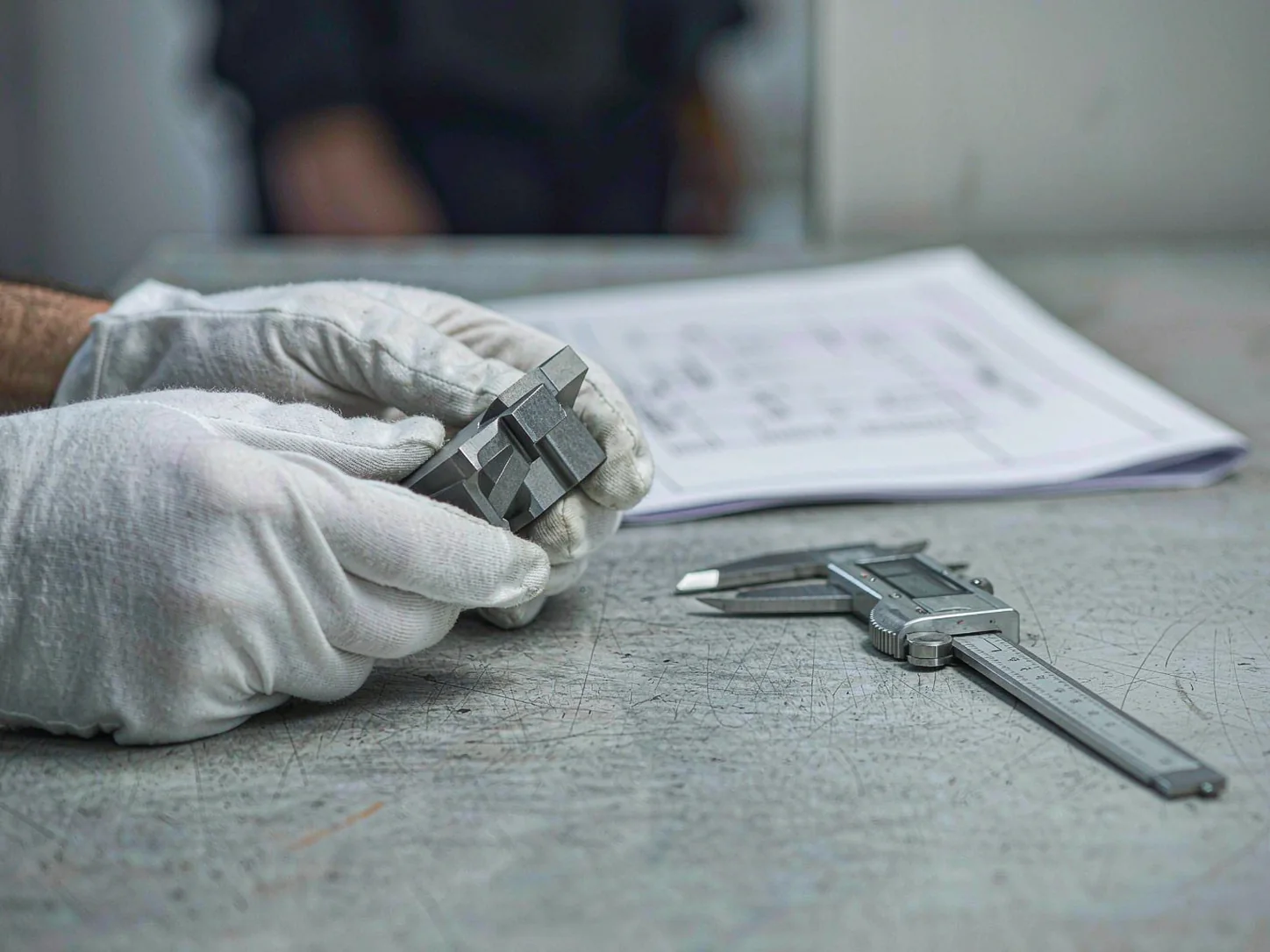
Diameter, height and weight measured with calipers and scales. A mug sold as 350 ml gets filled and checked — the number on the box must be true.
Handles pulled under load. Lids checked for fit and seal. Plates and bowls set on a flat surface to see if they rock.
Backstamps, care marks and retail labels compared with your approved artwork. Every barcode is scanned, not just looked at.
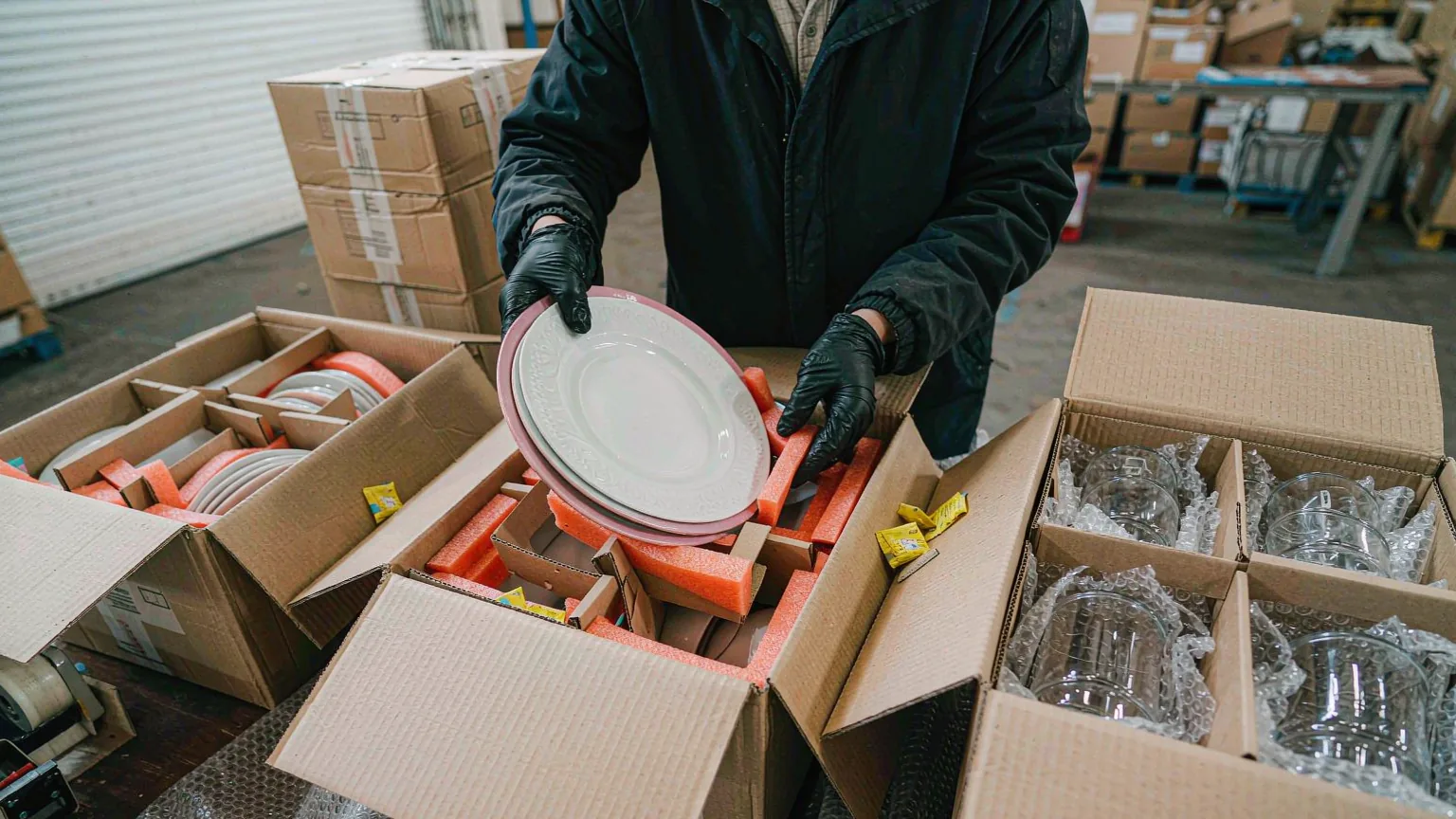
We count the pieces, open the cartons, check the dividers and look at how the pallets are built. Fragile goods live or die by their packing.
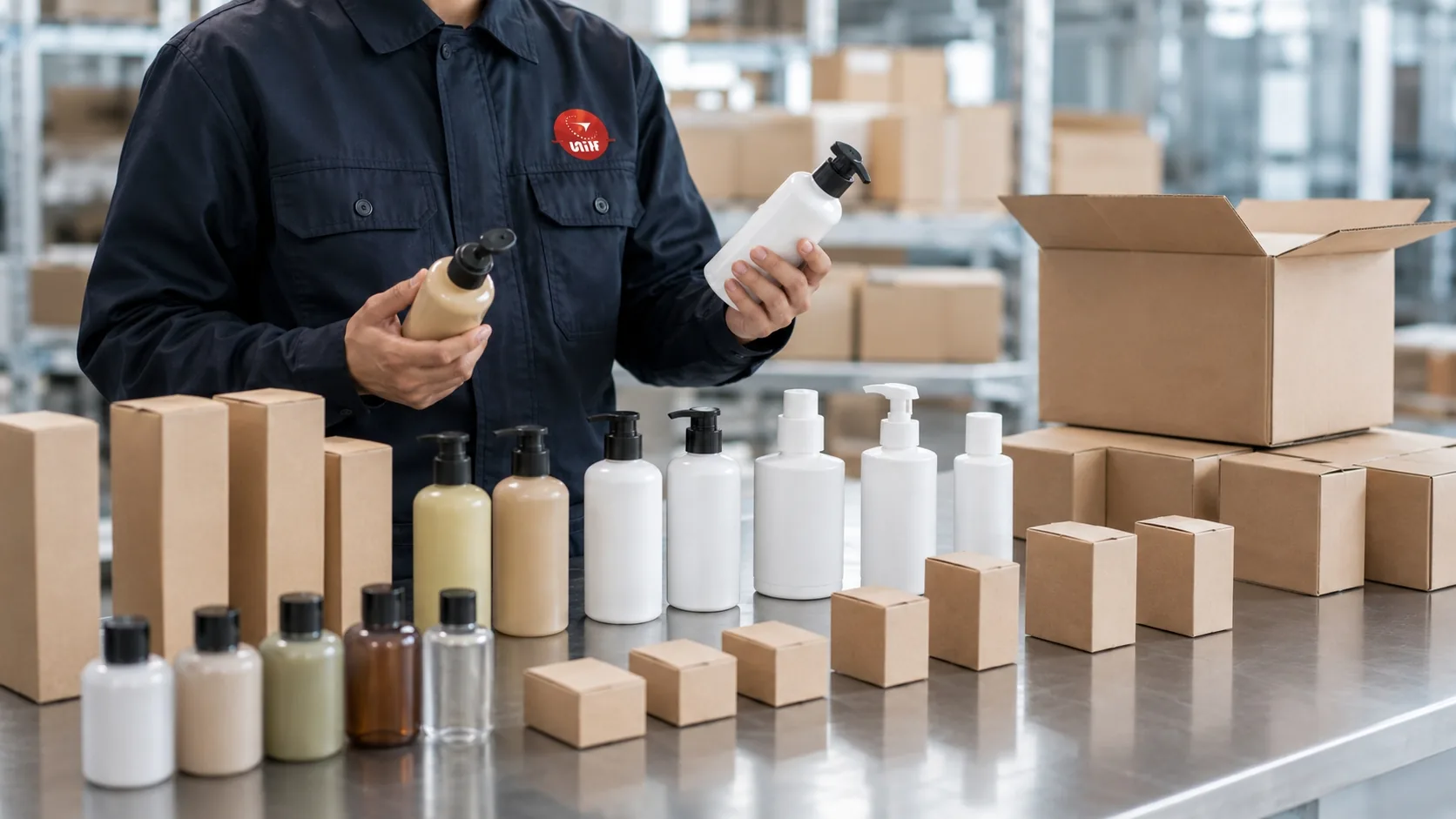
Glassware and ceramic ware is a listed UTS hardlines category. If it comes out of a kiln or a glassworks, we can inspect it.
Most buyers book the final check. Catching problems earlier is cheaper.
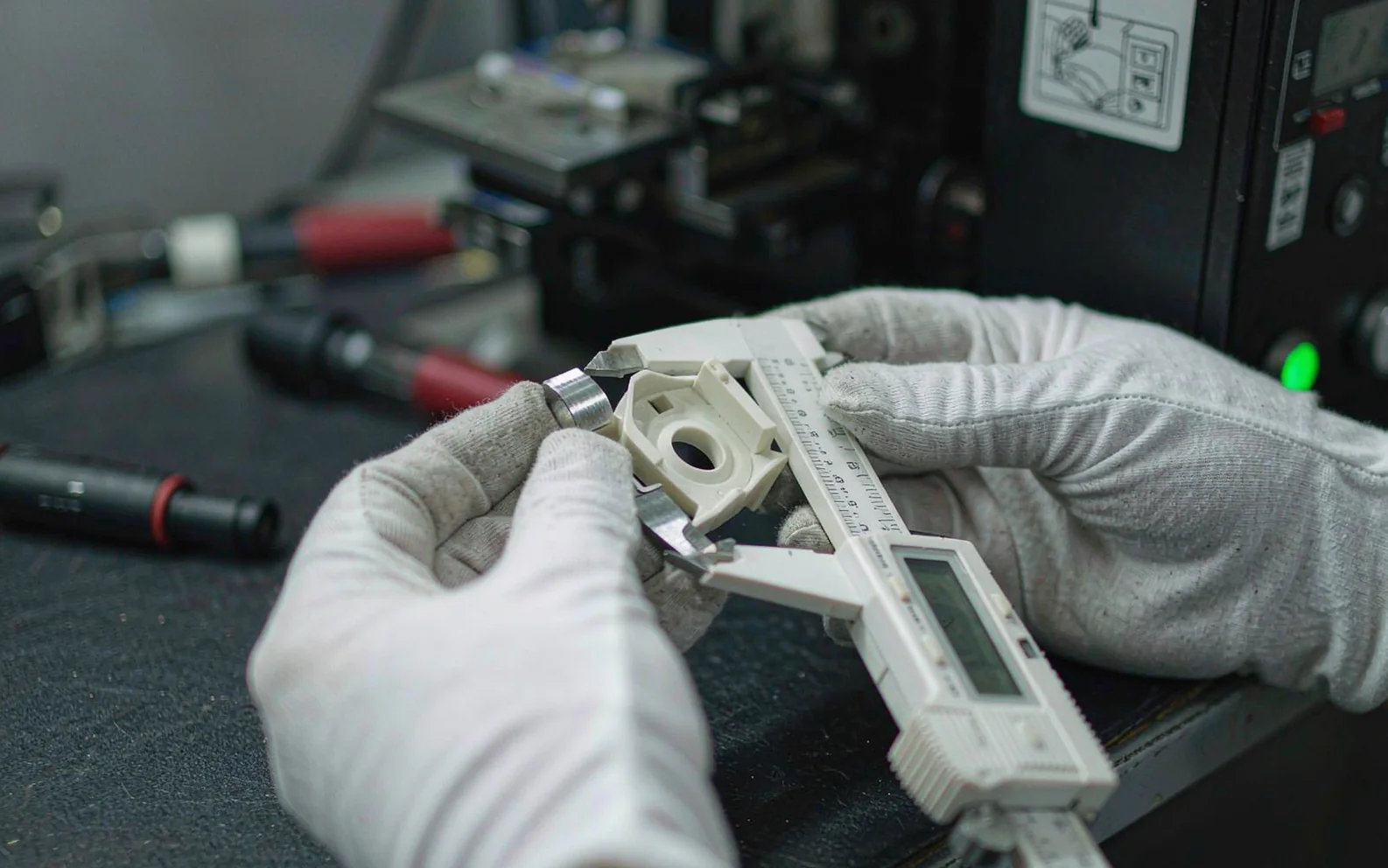
First pieces off the line checked before the full run. Wrong glaze, wrong color, wrong size gets caught while it's still cheap to fix.
About Initial Production Inspection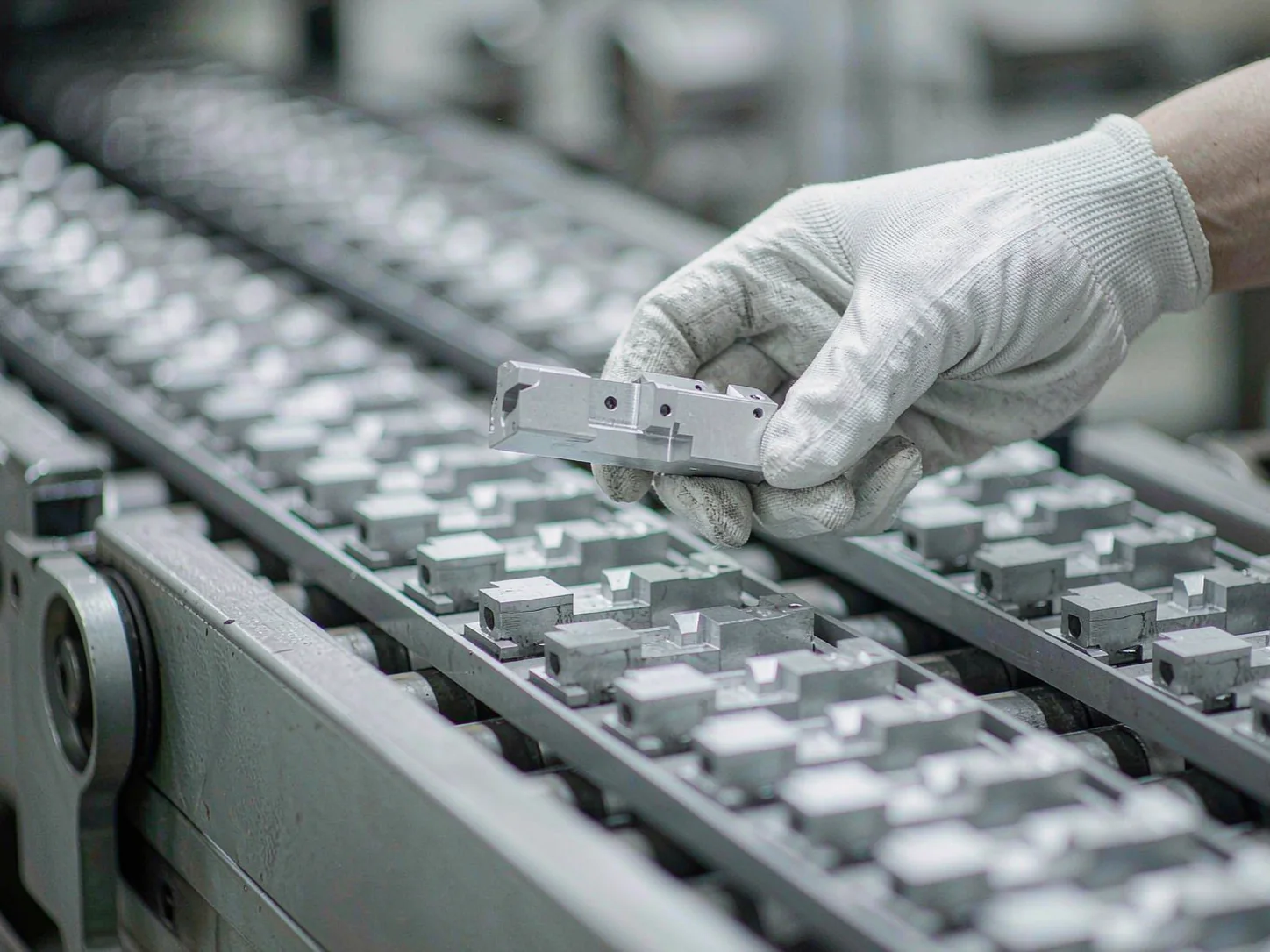
The line is running. We compare output with the approved sample and catch drift before the whole batch is finished.
About During Production Inspection
Random sampling of the finished goods to ANSI/ASQ Z1.4. The pass or fail answer before you pay the balance.
About Final Random Inspection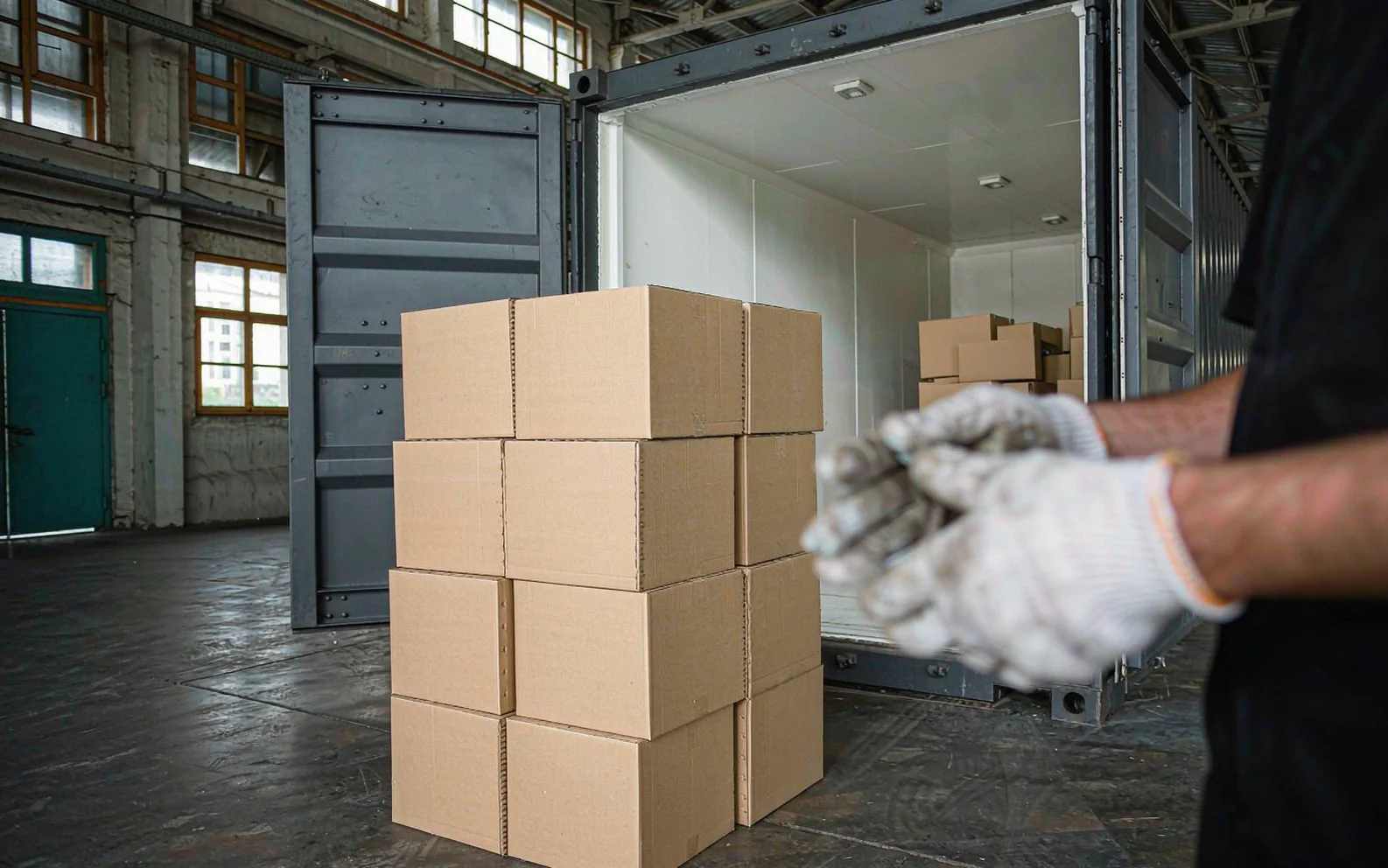
We stand at the container: count the cartons, check their condition, watch the loading and record the seal number.
About Container Loading SupervisionPinholes, specks, crawling and crazing — the fine cracks that show up in the glaze. Then color drift between kiln batches, thin glaze when the kiln temperature wanders, warped pieces that rock on the table, and handles that let go under load.
Bubbles and stones inside the wall, scratches you can feel with a fingernail, chipped rims, uneven wall thickness, and capacity that doesn't match the box. Both materials share one big risk: they break when the packing is weak.
These are the failure modes we see most. Your own checklist sets the final limits — your approved defect definitions always win.
Real findings from real inspections. Cheap to fix at the factory, expensive to fix after arrival.
Glaze specks and pinholesA black speck over 1.5 mm in the glaze on a mug rim gets logged, measured and photographed — not wiped off and shipped.
Bubbles where customers look firstA 0.5 mm bubble in the main viewing area of a glossy item is a major defect under standard surface zoning.
Scratches you can feelA scratch over 3 mm on a glass cup that catches your fingernail is a major defect. Only marks under 1 mm with no feel count as minor.
Color off the approved standardBody color drifting past ΔE 2.0 from your Pantone reference means the batch doesn't match what you signed off.
Glaze fired too thinOn one order, a kiln probe drifting 0.5°C left 2,000 mugs with glaze under 0.2 mm. Batch problems need batch-level sampling to catch.
Handles that fail under loadA ceramic mug handle gets loaded with 50 N. Cracks, movement or separation at the joint fail the unit.
Lids that don't sealLid fit and seal get checked on storage jars and casserole dishes. A lid that rocks or leaks comes back as a return.
Short shipmentsOn one 5,000-mug PO, 15 cartons of another buyer's goods sat on the pallet — 600 mugs short, double the allowed 5% tolerance.
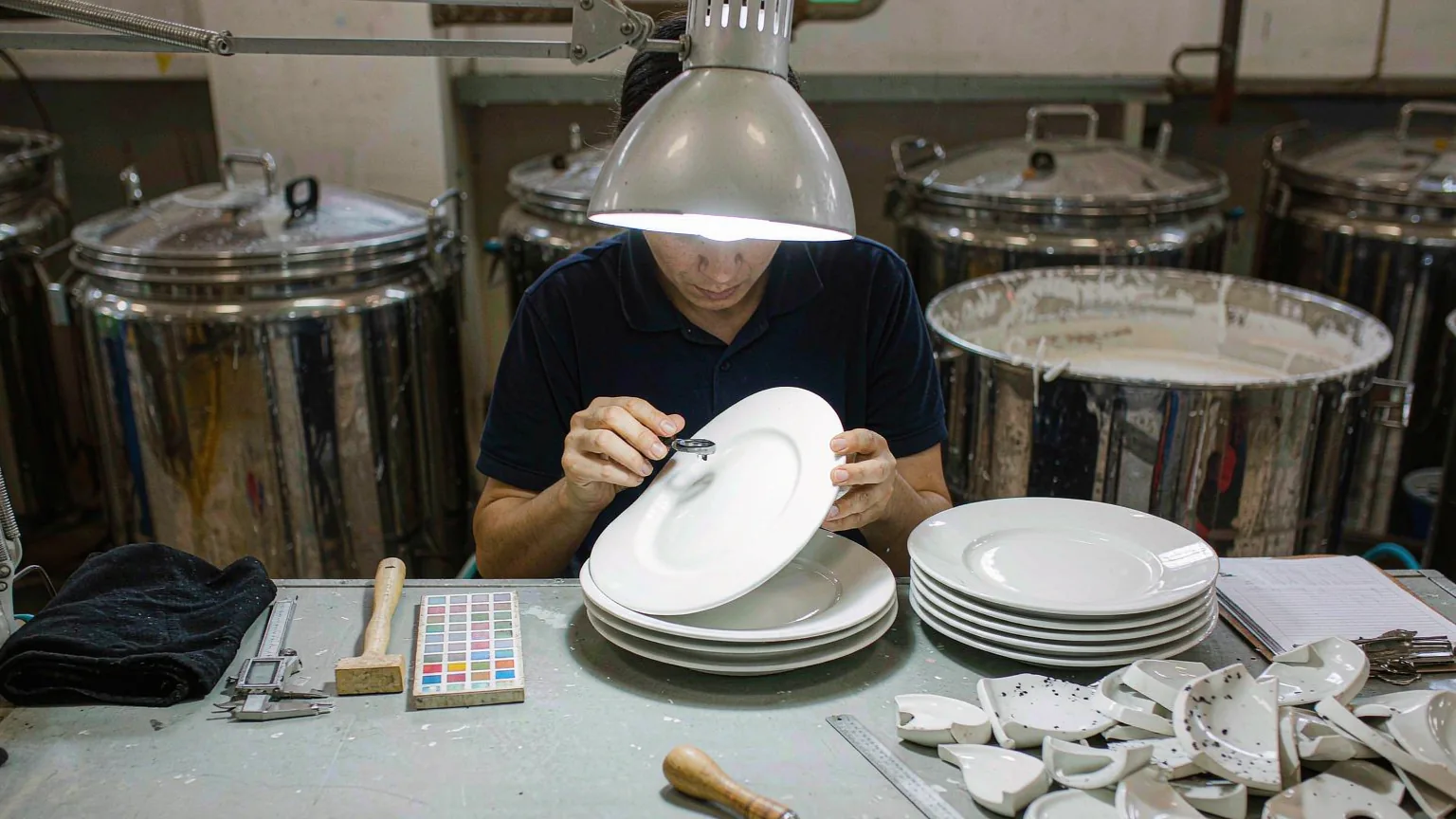
Mug handles and lid knobs get loaded. Nothing cracks, moves or comes off.
Body and print color compared against your approved reference.
Vessels filled to the stated level and watched for seepage at walls, seams and bases.
Plates, bowls and mugs set on a flat plate. No rocking, no spinning lids.
Packed cartons dropped on one corner, three edges and six faces. Height follows the carton weight.
Every sampled barcode gets scanned and matched against your SKU list.
Test values come from our working instructions. If your approved spec says something different, your document wins.
We sample by the standard US and EU buyers know. Bigger lots get bigger samples, and the report says exactly how many units each check covered. See the ANSI sampling tables and our defect classification guide.
What this looks like in practice: on one 30,000-mug order, 315 samples were pulled under AQL 2.5. The 15th major defect hit the rejection line — the whole lot went back for rework instead of into a container. Your own approved criteria can replace these defaults on any order.
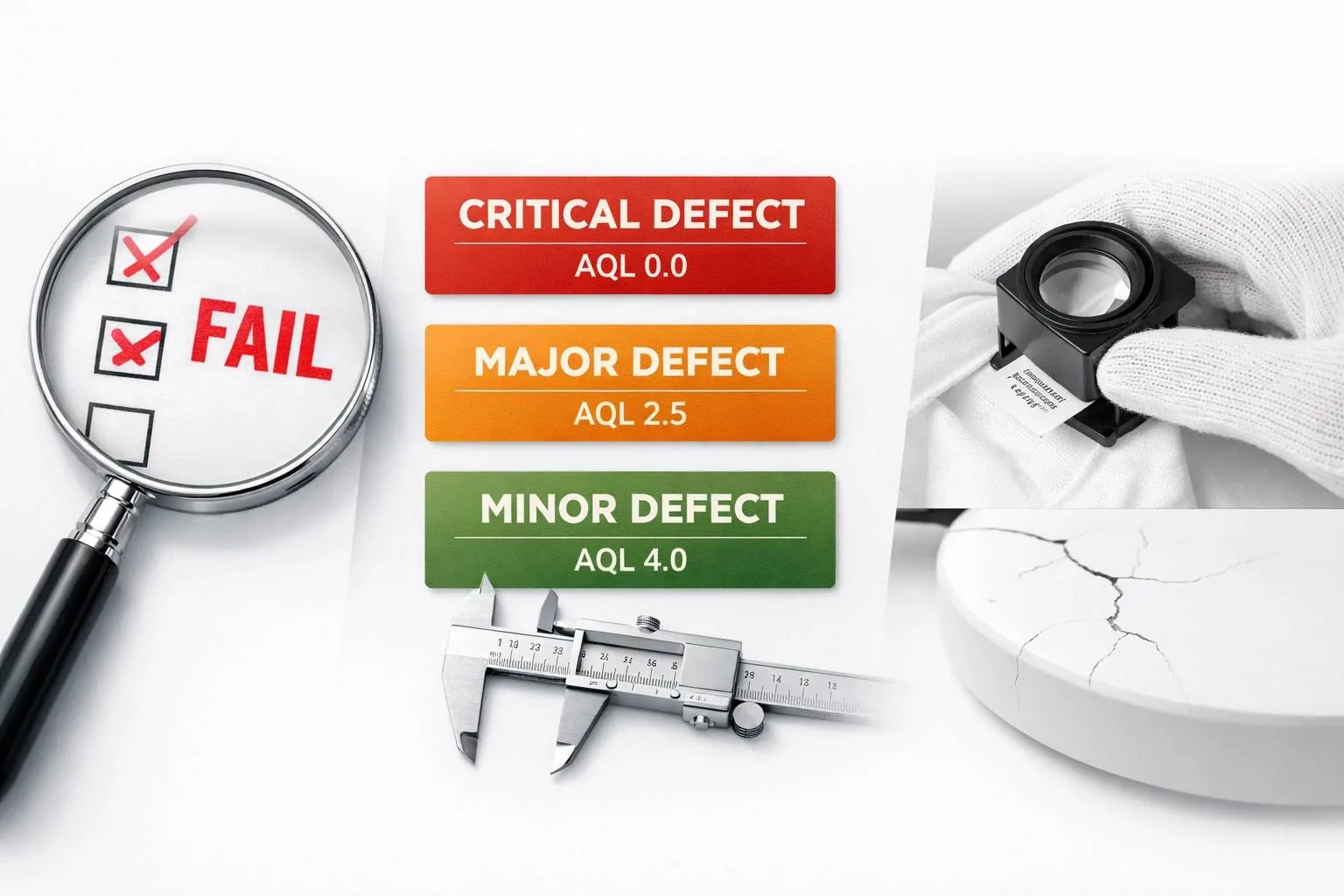
Sharp edges on a rim, glass fragments, anything unsafe — one critical finding fails the lot.
Problems that stop the product selling or working: cracks, failed handles, leaking vessels, off-color bodies.
Small cosmetic flaws outside the main viewing zones that don't stop normal use.
Our office team reads your PO, SKU list, approved sample, drawings, packaging artwork and barcode list — then confirms the checklist with you before anyone enters the factory.
Glass and ceramic travel badly when packing is weak. We check the packing the way a container ride will treat it.
Why it matters: a carton that stays closed is not a pass if the mugs inside are cracked.
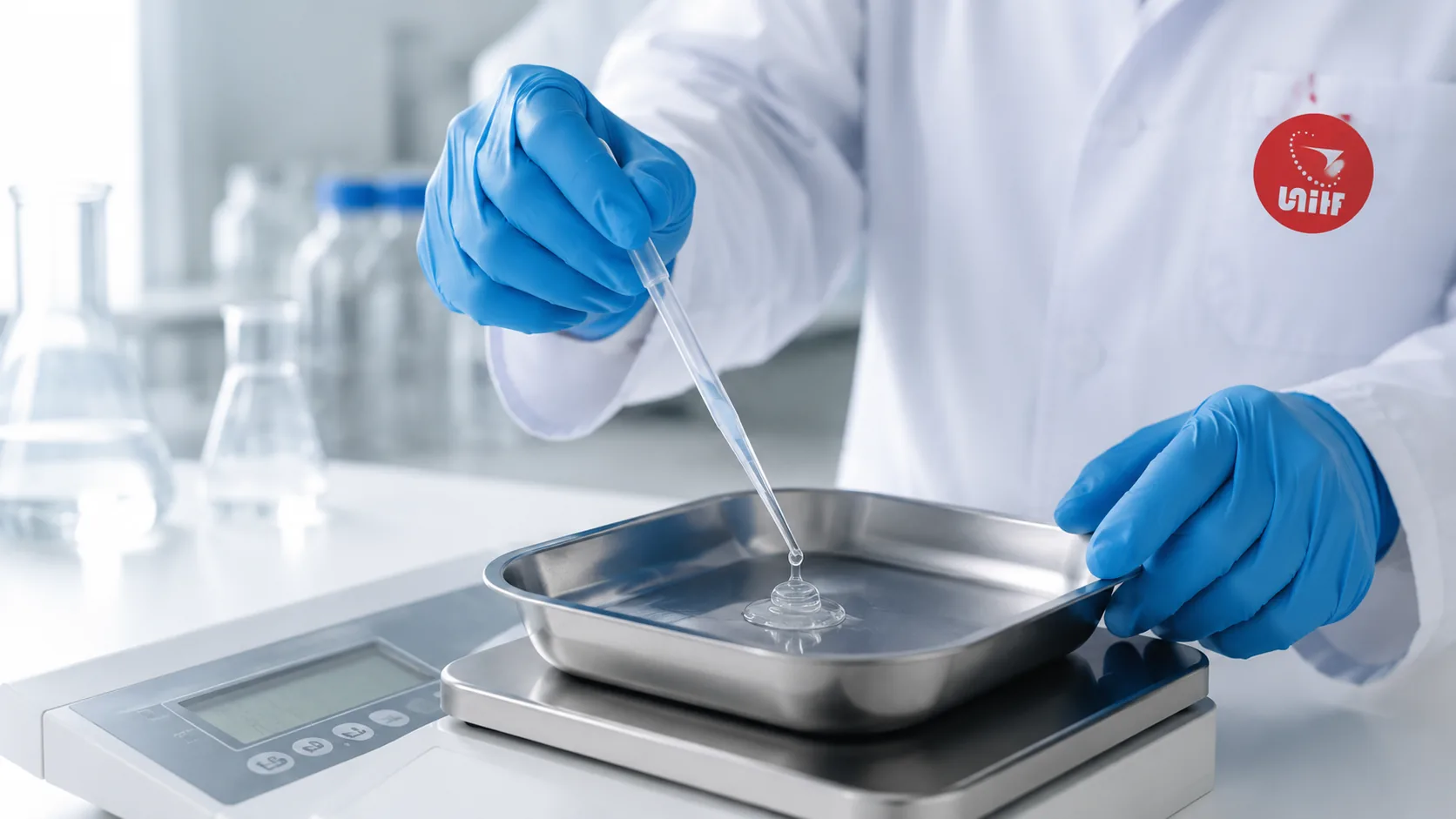
Tableware and drinkware touch food. For ceramic, glass and enamel, the decoration, glaze and rim decide which migration tests apply — including lead and cadmium release where your market regulates it. We coordinate the food-contact testing with the laboratory; the lab issues the report.
Straight talk: inspection checks your order at the factory; lab testing checks samples against named methods. Most food-contact orders need both.
Send the factory's pre-production sample through a sample evaluation before the bulk run starts. We check construction, glaze, color, capacity, marking and packing against your spec — and you fix the design while it's still one piece, not ten thousand.
Cheapest checkpoint there is — a documented case ran about $300, against a full order's worth of risk.
Sets the standard — the approved result becomes the reference every later inspection is measured against.

Guangdong, Zhejiang, Jiangsu, Fujian, Shandong and the rest of the manufacturing belt — including the ceramic and glassware clusters in Guangdong, Fujian and Shandong.
Hong Kong, Taiwan, South Korea, Vietnam, Thailand, Malaysia, India, Indonesia, the Philippines, Bangladesh, Pakistan, Turkey and Cambodia.
Early checks at 5–10% of production, mid-production checks at 30–50%, a final random inspection when goods are finished and 80% packed, or loading-day supervision.
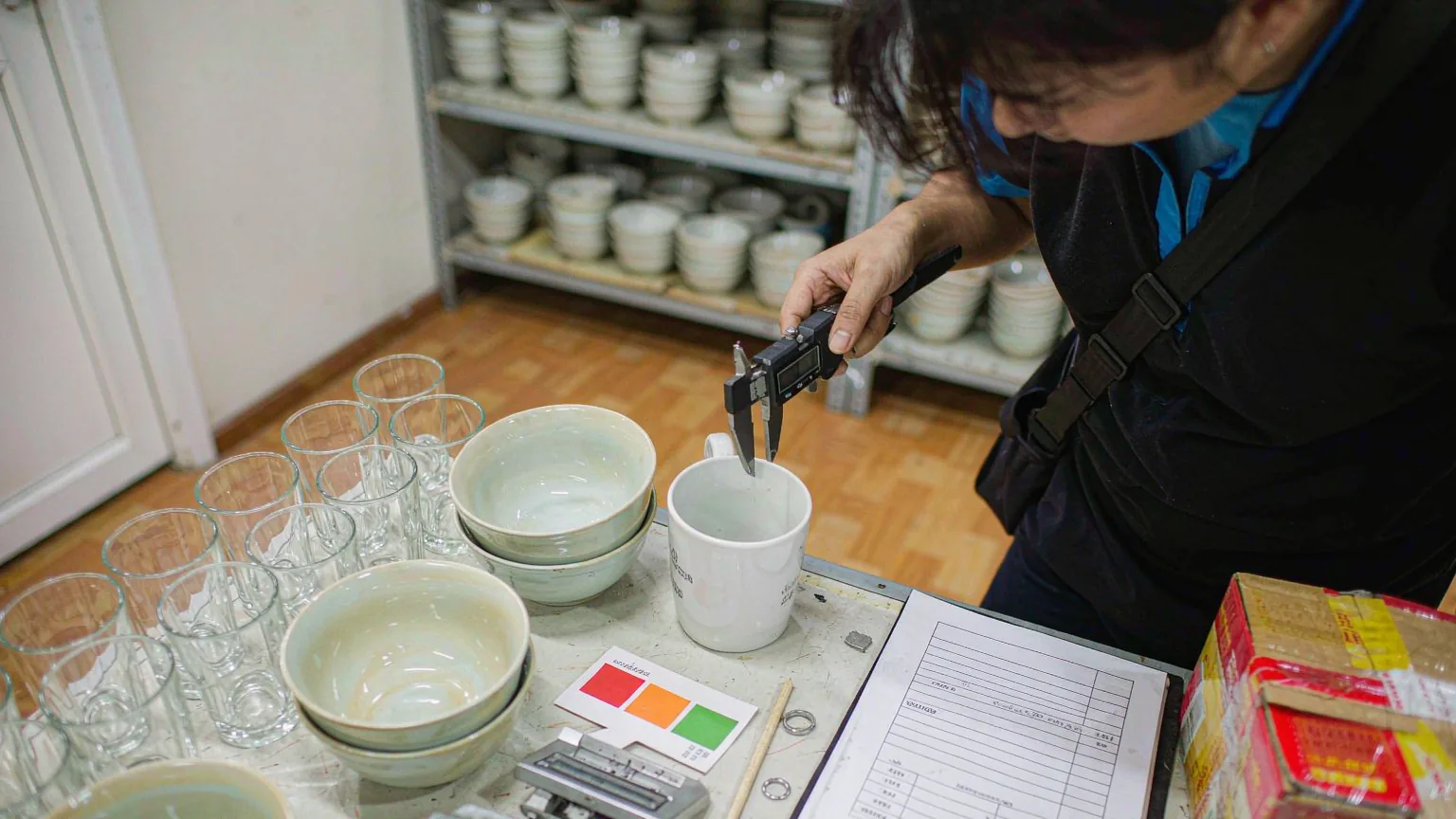
High-value or small-batch orders can be checked piece by piece instead of by sample. A full inspection covers every unit: glaze, handle attachment, lid seal, food-contact condition and packing.
A boutique kitchenware brand at $299 per set chose full inspection on an 800-unit launch order.
Glaze imperfections on 12 units and lid seal failures on 5 — pulled before launch, not after the reviews came in.
Full inspection costs more per piece than sampling. For launch orders, premium price points and repeat-defect suppliers, it is usually the cheaper option.
Production and packing status, lot size, sampled SKUs, the AQL applied, defect counts with photos, every test quantity and the actual measurements — including anything that couldn't be checked, and why.
Clear pass / fail / hold result — release, rework or reject with evidence in hand.
Re-inspection after rework confirms the fixes and checks for new problems before you ship.
An inspection does not replace certification or lab testing. We don't issue certificates, and the release decision always stays with you.
No hidden lines on the invoice. Here is the whole pricing logic.
Exact numbers come with your order details. Every quote is confirmed in writing before anyone travels.
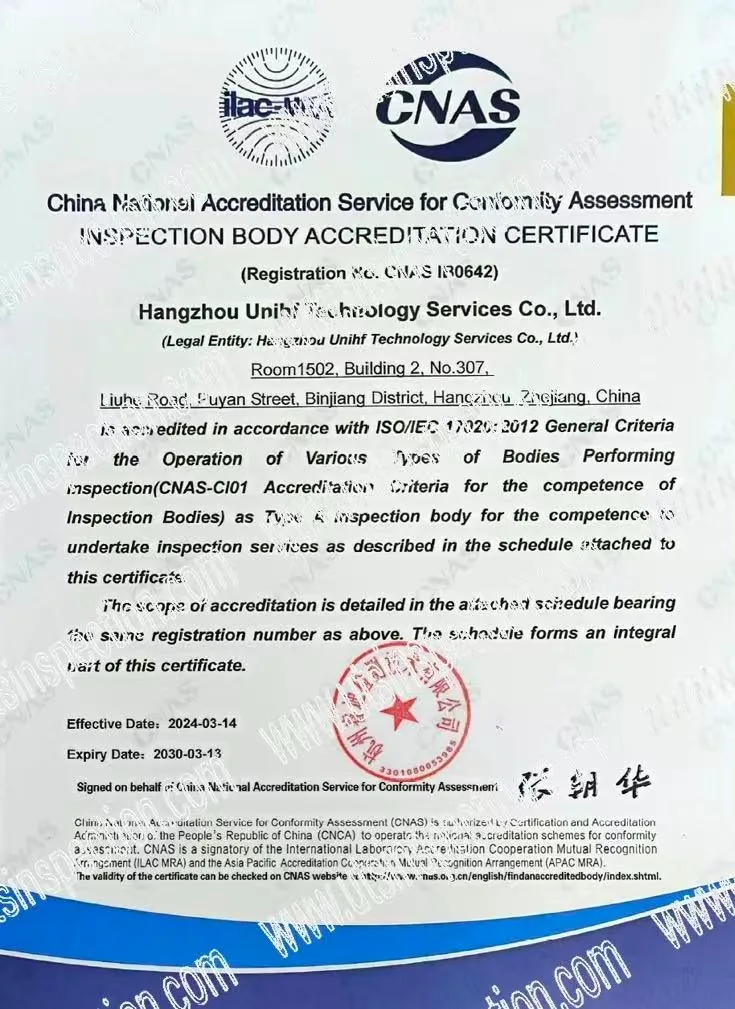
UTS is accredited by CNAS against ISO/IEC 17020 — the international standard for inspection bodies — and runs an ISO 9001:2015 quality management system. We have been inspecting products for importers since 2006, with full-time, university-educated engineers on staff.


Importers, retailers and brands across the US and Europe use UTS for pre-shipment quality control.






PO, SKU list, approved spec, sample photos, packaging artwork and barcode list.
Our office reads every document, prices the job per inspector-day, and asks you first when anything conflicts.
A full-time UTS engineer runs the checklist at the factory and photographs everything.
You get the PDF report with photos within 24 hours and decide: ship, rework or reject.
No. A third-party inspection verifies that sampled products match the buyer-approved specification and order requirements. It does not replace product design validation, certification, laboratory testing, or destination-market regulatory assessment, and UTS does not issue certificates or approve the use of certification marks.
Yes. ANSI/ASQ Z1.4 with General Inspection Level II is the default baseline, with Critical: none permitted, Major: AQL 2.5 and Minor: AQL 4.0. Buyer-approved checklists, defect histories and different AQL criteria can replace the defaults for the order.
Tests are matched to the exact product, material, intended use and approved specification. Typical items include handle and knob load checks, capacity and leakage checks, color comparison against an approved Pantone reference, stability on a flat surface, barcode readability and a shipping-carton drop test where applicable.
For major manufacturing areas in China and across Asia, an inspector is on-site within 48 hours of booking. The photo-documented PDF report follows within 24 hours of the inspection.
Defective samples are labeled, photographed and classified as critical, major or minor in the report. The buyer decides on rework, acceptance of deviations or rejection, and a re-inspection can be booked after the factory reworks the goods.
The purchase order, SKU breakdown, approved specification, approved sample references, drawings, packaging artwork, barcode list and any buyer-defined test requirements. Where documents conflict, the office team obtains client clarification before the inspection.
Inspections are priced per inspector-day and depend on the factory location and the workload of the order. There are no travel fees and no weekend surcharges. Send your purchase order and factory address for an exact quote.
Same team, same booking process, same 24-hour report.
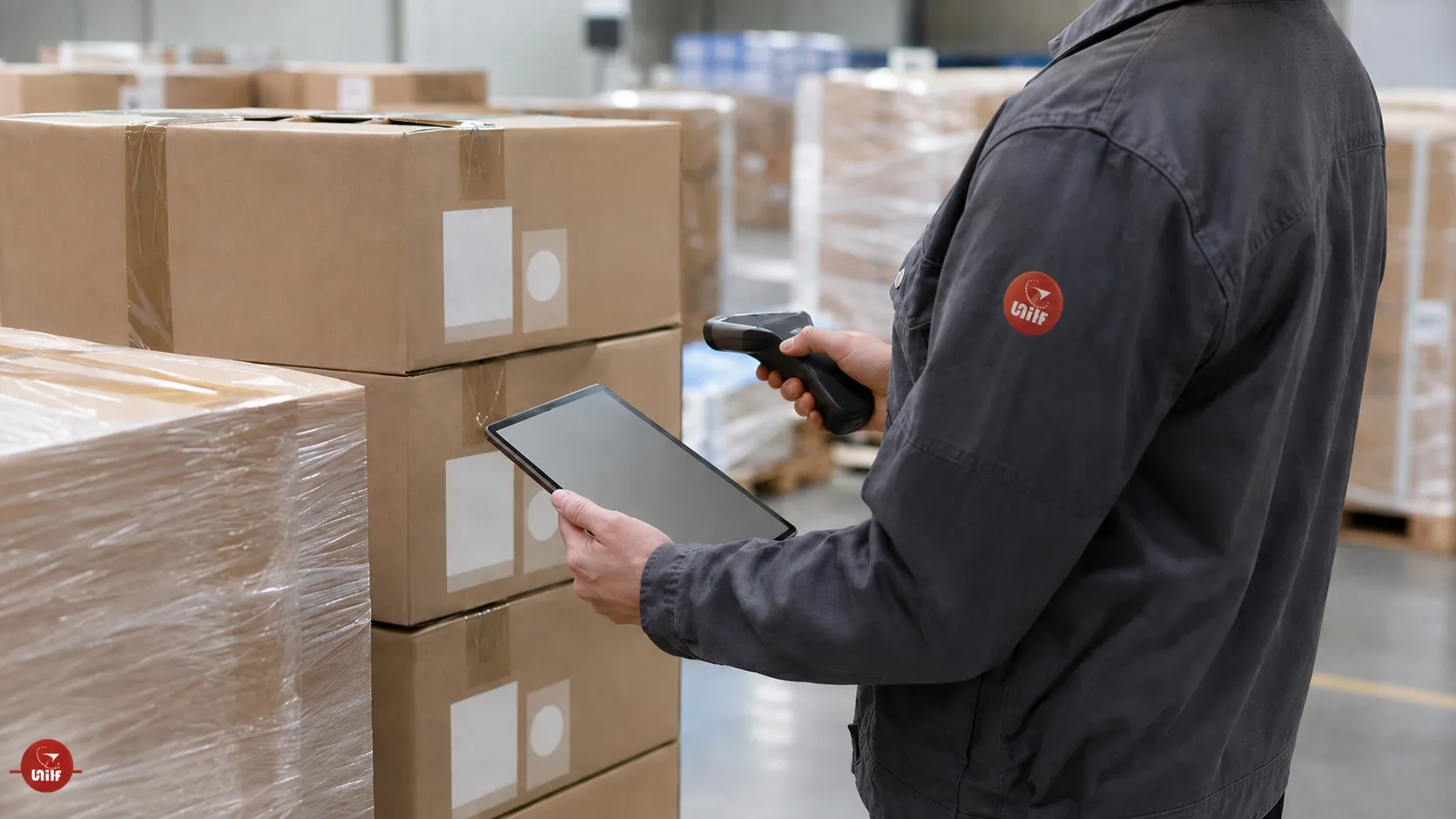
Carton count, container condition, loading process and seal number — recorded on loading day, before the doors close.
About loading supervision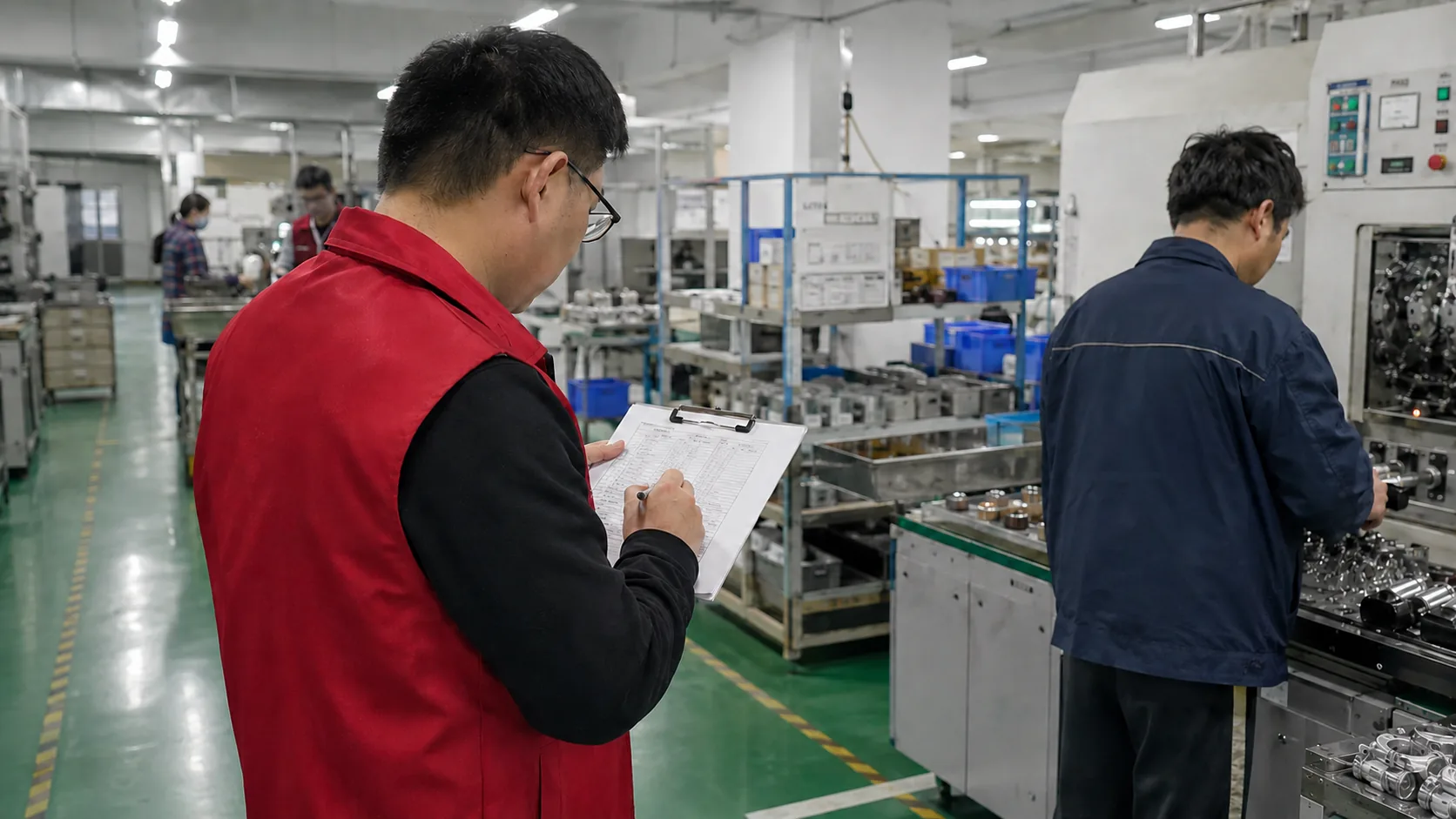
Before you wire a deposit: company details, production areas, equipment and real operating conditions, checked on site.
About factory evaluation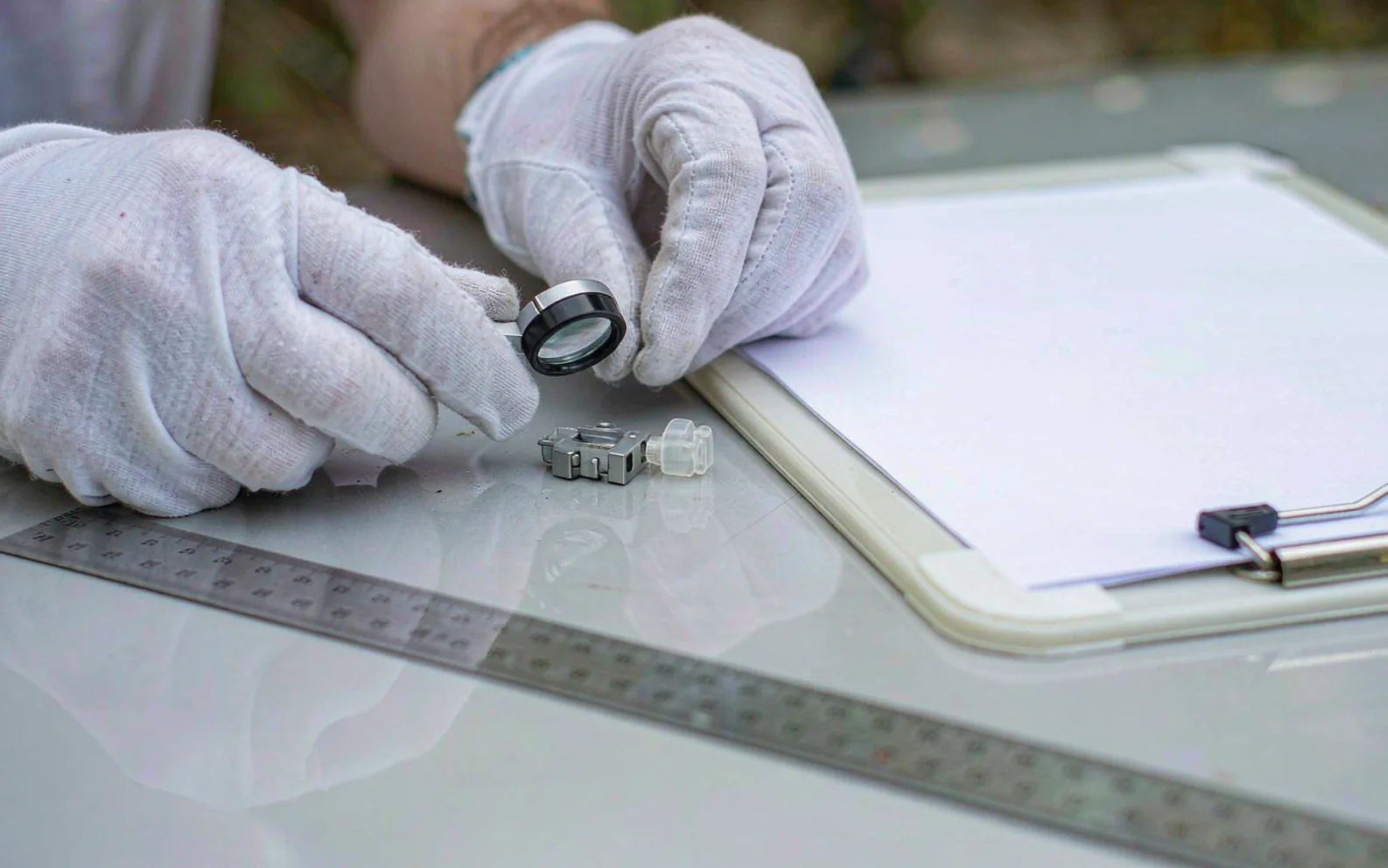
The pre-production sample checked against your drawings, spec and packing files — before the bulk run starts.
About sample evaluation
Product, FNSKU, carton labels, packaging and barcode scans — checked before the goods leave for Amazon.
About Amazon FBA inspectionSend your PO and approved specification — we confirm the checklist with you, then send a full-time UTS engineer to the factory.