Tel
+852-61343425
Independent on-site inspection for fashion jewelry, children's jewelry and accessories — checked against your spec before the goods leave the factory in China or anywhere in Asia.
Since 2006 · ISO/IEC 17020 accredited inspection body · Full-time inspectors
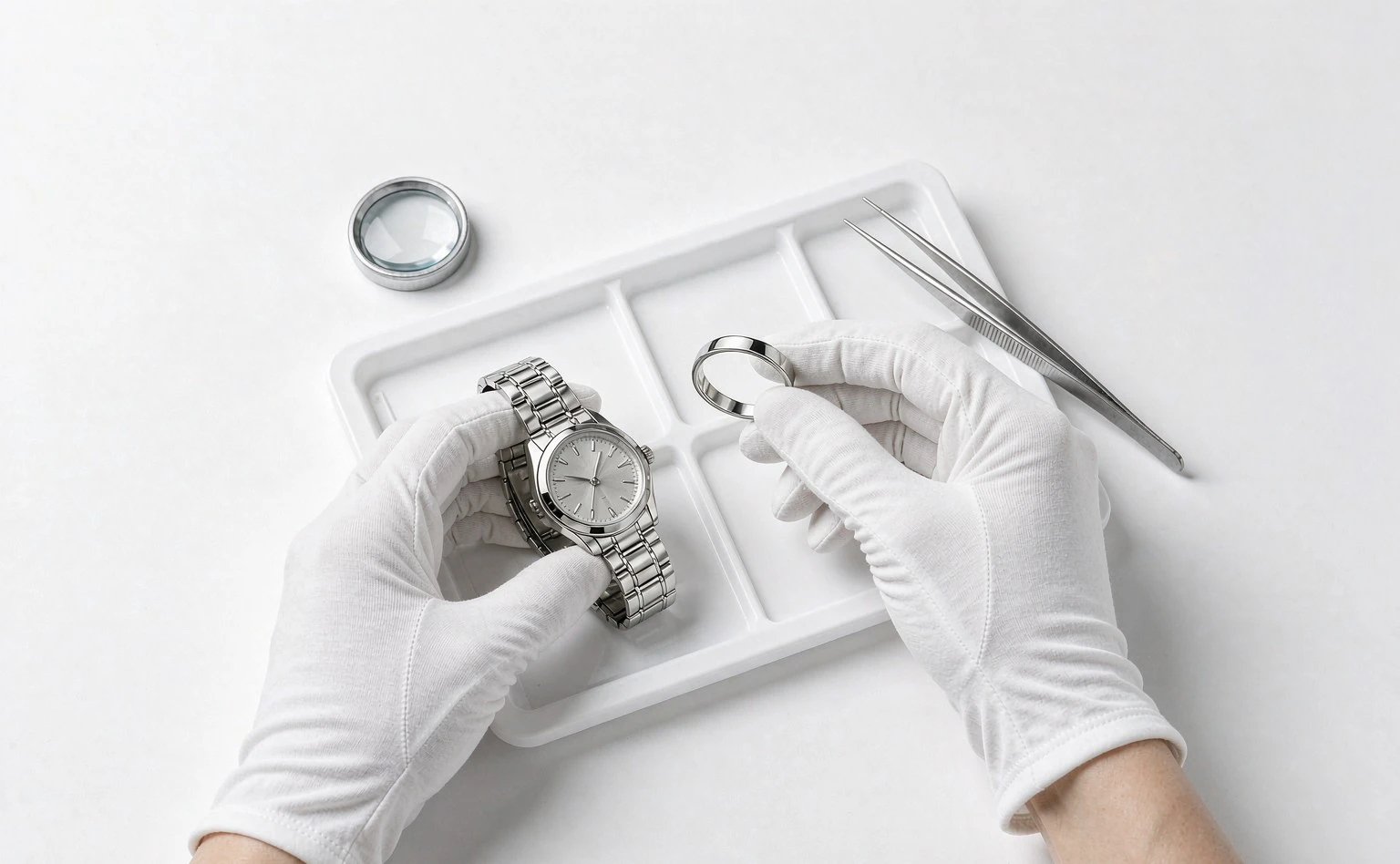
These are the defects that pass a factory's quick glance and reach your customer instead.
Loose prongs and weak glue survive packing and shipping — then fail in the box. A loupe check catches them at the factory.
Thin coating and poor adhesion don't show in the factory's photos. They show up as one-star reviews.
A lobster clasp that opens under a light pull turns a necklace into a return request.
A 925 mark that isn't there — or shouldn't be — creates customs trouble and platform takedowns.
Multi-SKU jewelry orders get packed wrong more often than any factory admits on the phone.
Lead, cadmium and nickel limits apply to jewelry in the US and EU. "The factory said it's fine" is not documentation.
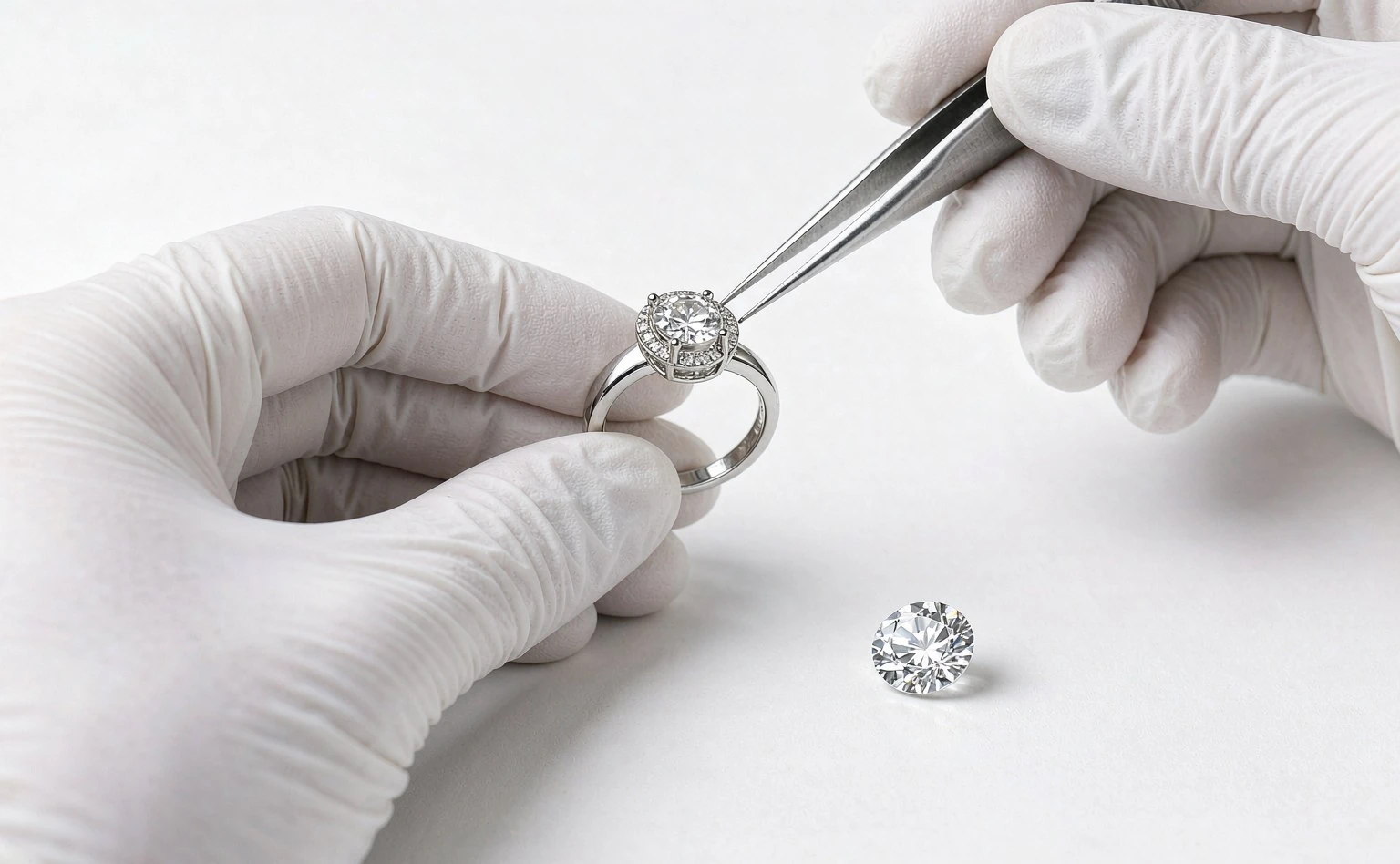
Every point below is checked against your spec sheet, approved sample and tolerances.
Scratches, pitting, dents, tool marks, polish lines, solder marks, glue residue and sharp edges or points.
Missing or loose stones, prong alignment, stone position and count against the spec sheet.
Lobster, spring ring, toggle and magnetic clasps opened and closed repeatedly to confirm they hold and release correctly.
Link soldering, kinks and twists, plus a pull check at the force you specify.
Color match to your approved sample, tape-adhesion checks and rub tests on coated and printed surfaces.
Metal stamps, logo engraving, country-of-origin marks, care labels and required warning labels.
Caliper measurements and unit weight on a scale, read against your tolerances.
Pouches, boxes, hang tags, polybags, a barcode scan on every unit and the style mix per PO.
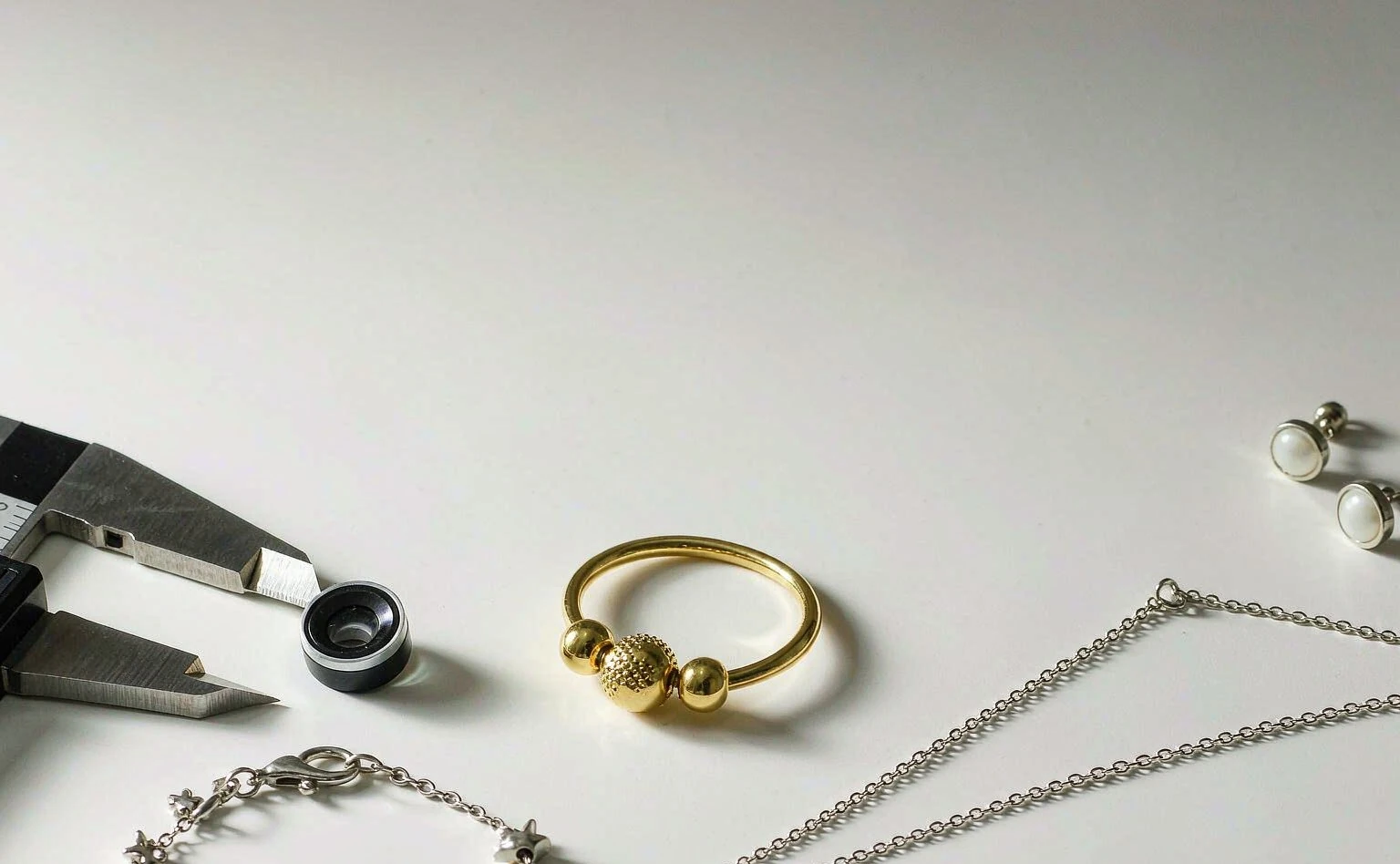
Visual review catches appearance problems. These on-site checks catch the functional ones.
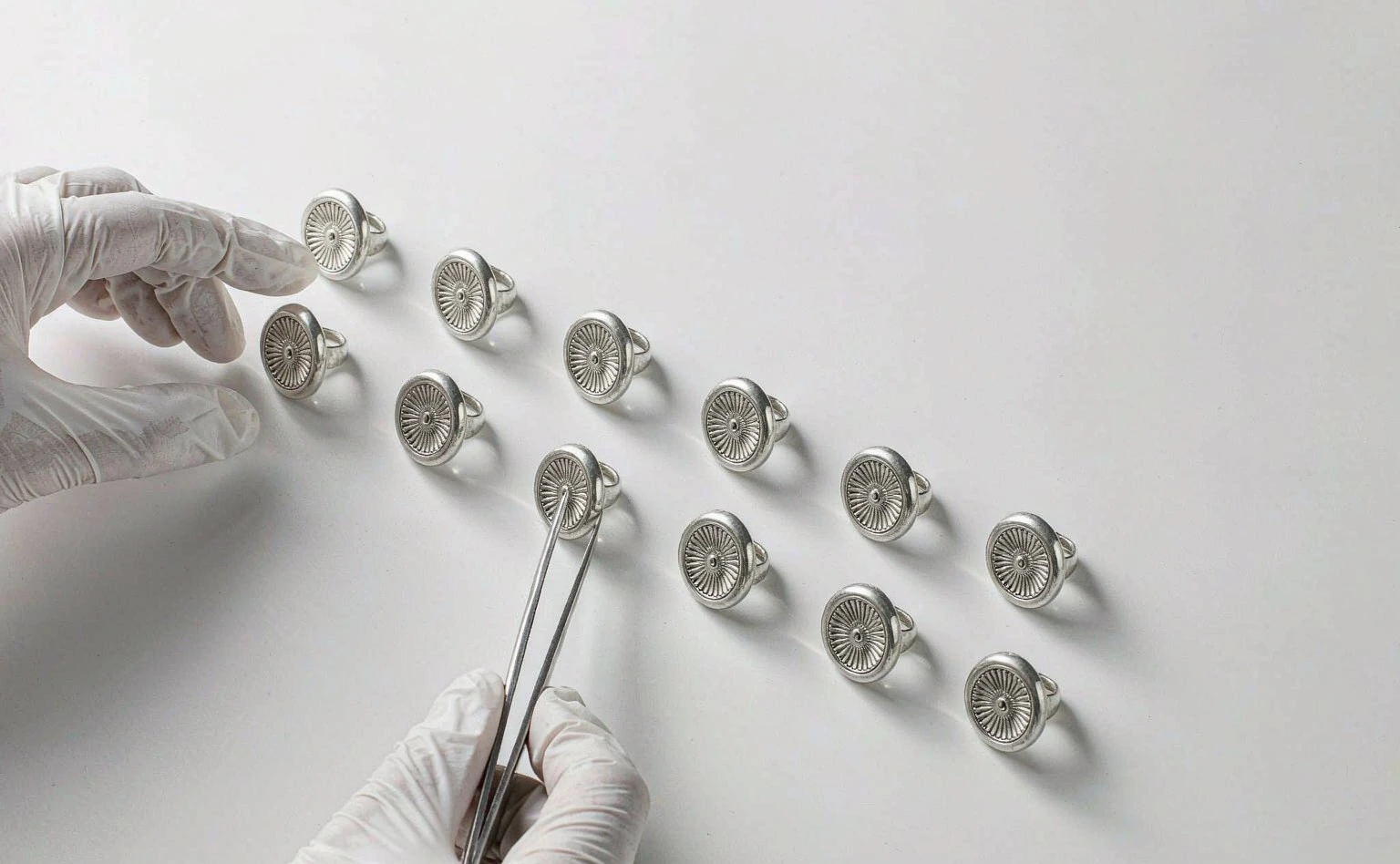
Send your drawings, approved sample photos and tolerances. The inspector works through them point by point, and you get a pass, fail or hold with photo evidence.
Sample sizes come from ANSI/ASQC Z1.4 (ISO 2859-1). Special tests — pull, adhesion, carton drop — run on a smaller S-level sample. For high-value lots, a 100% full inspection checks every single piece. See the ANSI sampling tables for the exact quantities.
General inspection level II decides how many pieces are pulled from your lot size.
Critical, major and minor AQL values most jewelry buyers write into the booking.
Every unit examined piece by piece when the order value or risk calls for it.
A 5,000-piece order doesn't get 5,000 checks — it gets 200, drawn at random from packed cartons across the whole lot. If the defects in those 200 stay under your AQL, the lot passes. If they don't, you find out at the factory, not at your warehouse.
Most jewelry orders run on AQL sampling. Some shouldn't. Here is the honest split.
The order is a standard production run and you need a statistically sound answer in one man-day.
One man-day covers most lots — the cheapest reliable checkpoint.
Result the same day, report in 24 hours, shipment barely pauses.
Fashion jewelry runs, repeat styles, orders under roughly ten thousand pieces.
Every single unit is opened and examined. It costs more, and sometimes it is simply the right call.
High unit value — fine-jewelry lines where one bad piece costs more than the check.
The last shipment failed, or the supplier is new and unproven.
Small valuable lots, reworked goods, and orders going straight to retail shelves.
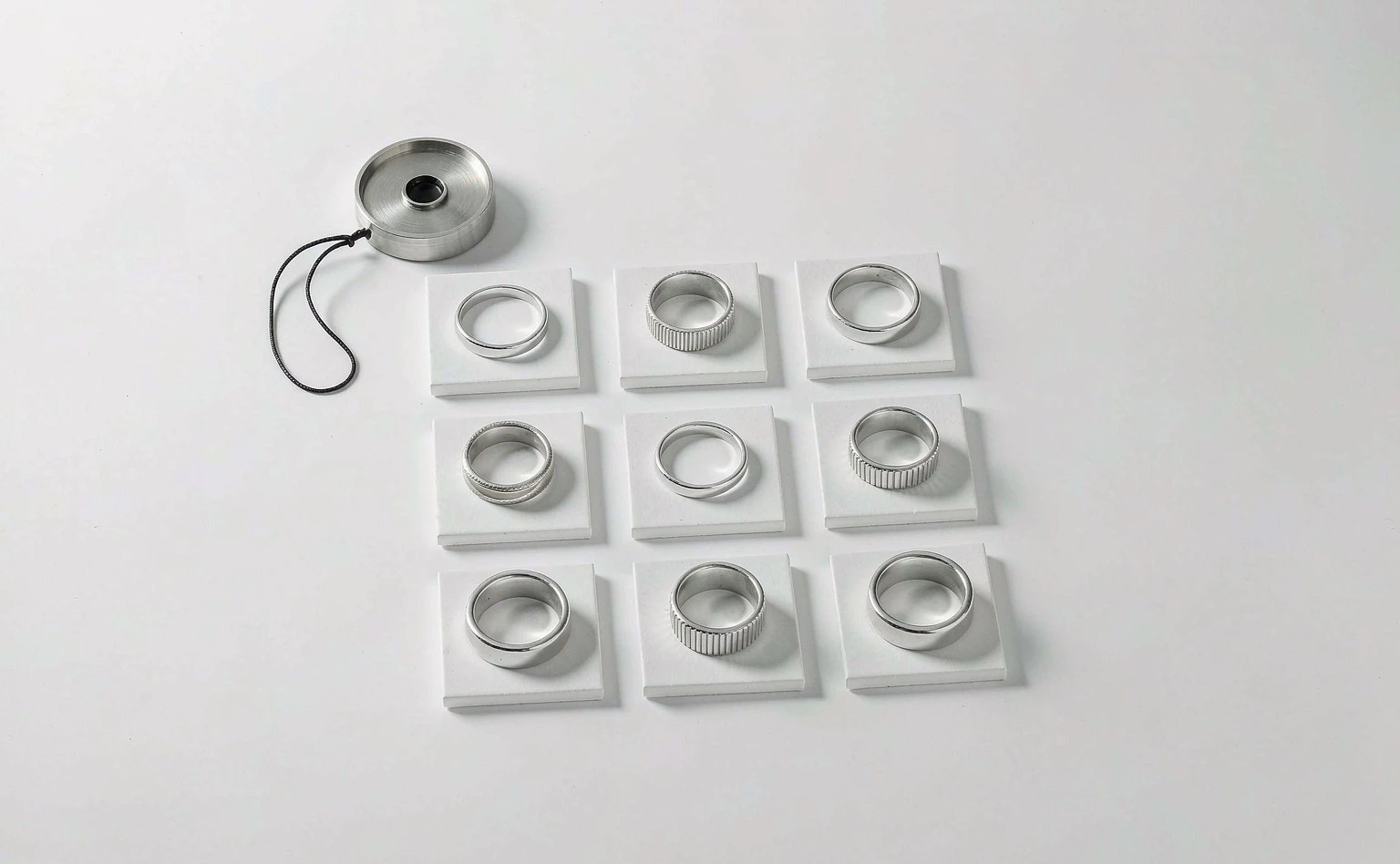
Every finding lands in one of three tiers, so the report tells you what actually matters. Details in our defect classification guide.
Sharp points or edges that can cut skin, a children's item missing a required warning, anything that fails a legal safety requirement.
Missing stones, a clasp that doesn't hold, peeling plating, wrong metal stamp, a closure that won't close.
Slight polish marks or small color variation only visible at close range under inspection lighting.
The rules that hit jewelry hardest are chemical, and no eyeball at the factory can settle them.
Lead and cadmium limits apply to children's jewelry sold in the United States — the strictest end of the market.
Adult jewelry sold into California carries heavy-metal exposure requirements and settlement history behind them.
Nickel release is restricted for anything that touches skin — posts, clasps, chains and watch backs included.
On site we verify markings and declarations, then draw and seal samples for the chemical tests. The lab work runs through our laboratory testing coordination, so the shipment decision rests on documents, not promises.
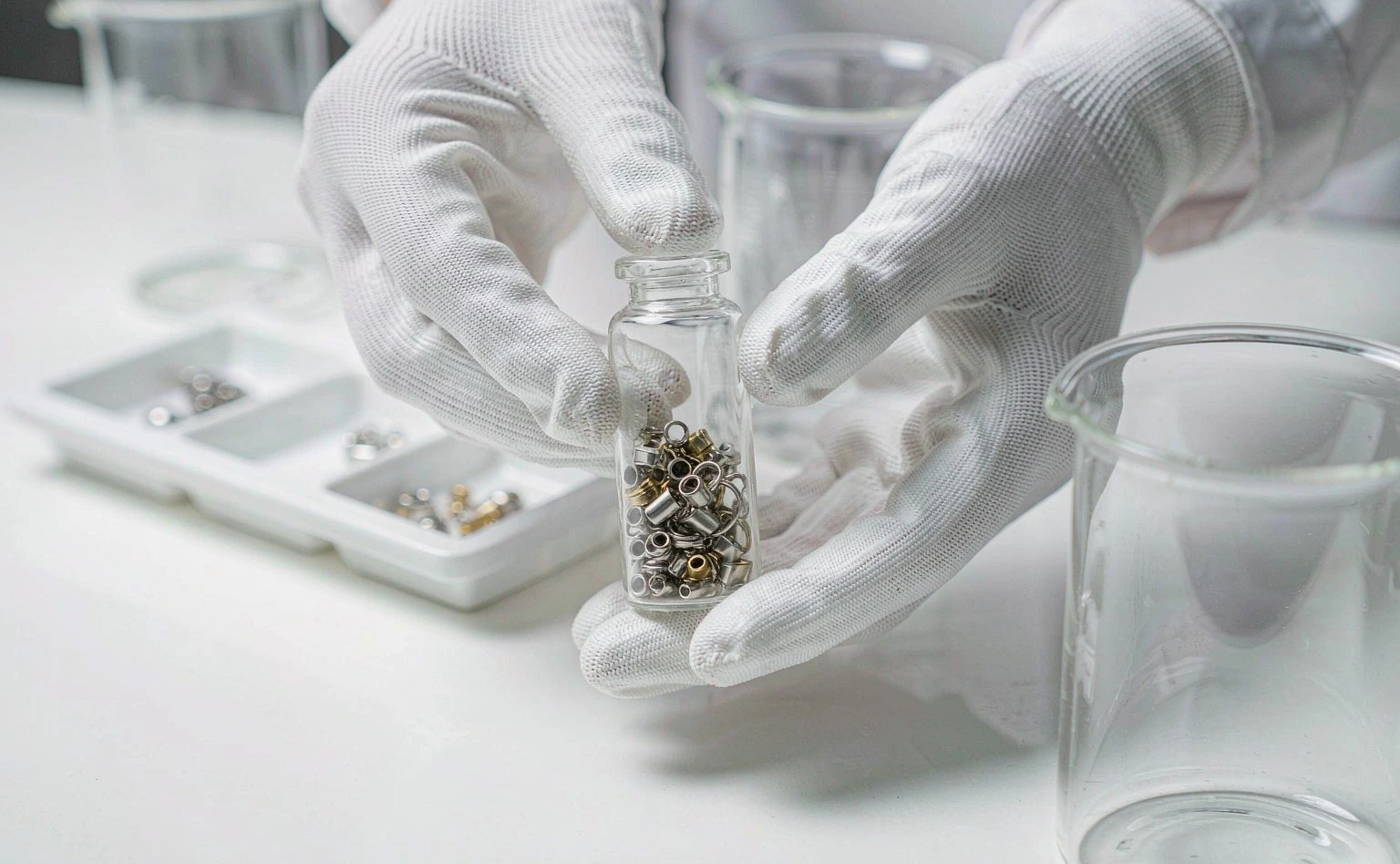
Same discipline, adjusted checklist — each category carries its own failure points.
Necklaces, earrings, bracelets, rings, brooches, pendants and matched sets.
Small-part hazards, sharp points, warning labels and CPSIA-related checks move to the front of the list.
Time accuracy, housing, strap pull and water resistance per spec — see our watch inspection checklist.
Frames, hinges, lenses and coatings — covered in our eyewear quality control notes.
Clips, pins, cufflinks, keychains and promotional metal items.
Same workmanship discipline on site; metal purity and gemstone grading stay with the lab and your gemologist.
Same factories, same booking process — if these sit in your catalog too, they can share one trip.
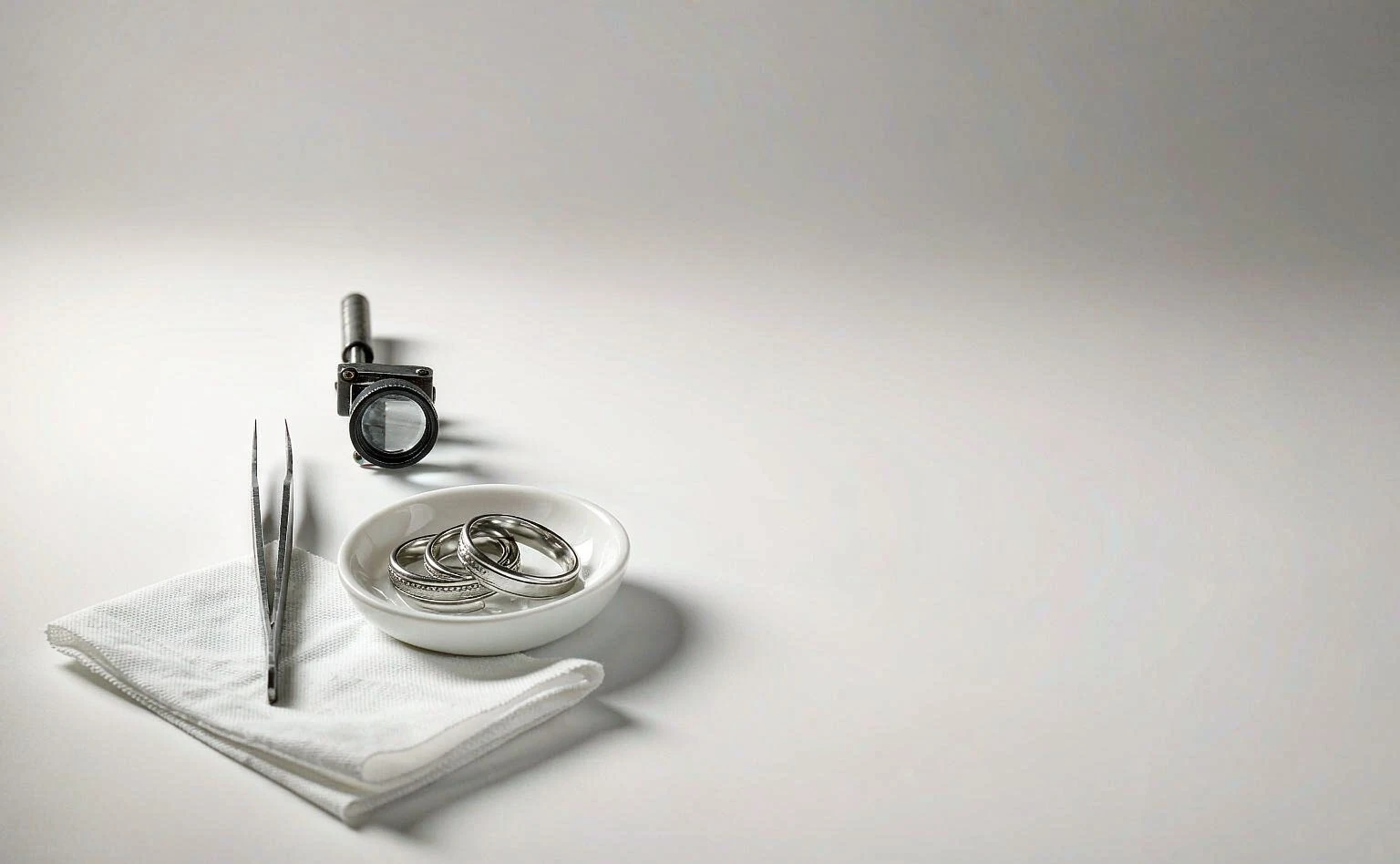
Time accuracy, housing, strap pull and water resistance checked per spec.
See the checklist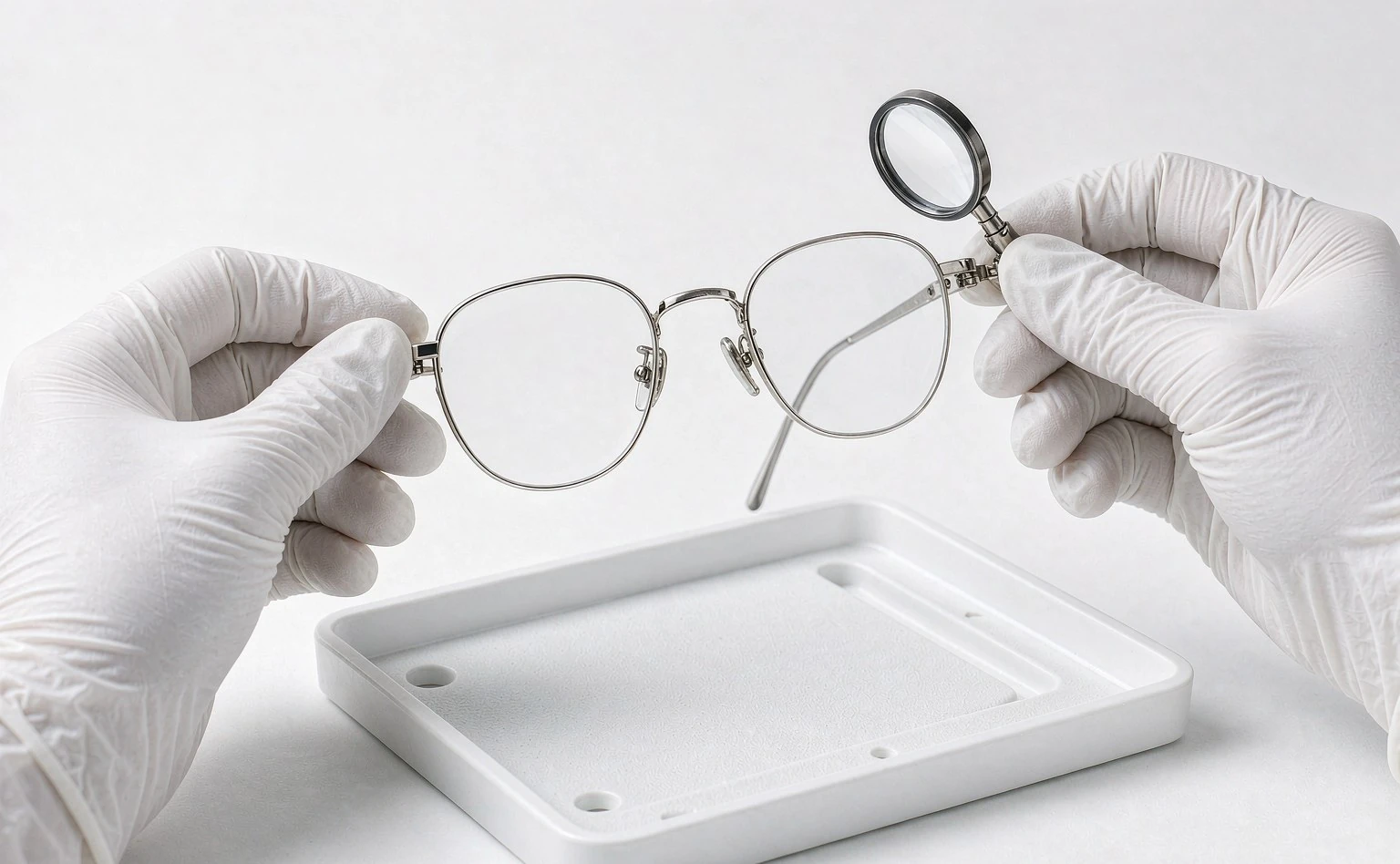
Lens defects, frame alignment, hinge function and coating checks.
See the checklist
Sound output, microphone function, cable and button checks.
See the checklist
Small parts, sharp points and the safety tests children's lines legally need.
See the serviceA final random inspection runs when production is finished and at least 80% packed — the last checkpoint before the goods move.
Send the order details, spec sheet and approved sample photos. Scope and price come back by email.
Full-time UTS inspectors with GPS check-in on arrival, across 13 provinces in China.
Cartons and units drawn per ANSI/ASQC Z1.4, from packed goods where possible.
Every point on your spec plus the standard jewelry checklist — stones, clasps, plating, marks, barcodes.
You hear pass, fail or hold before the inspector leaves the site.
Photos, classified defect list, quantities, barcode results and a clear recommendation. The release decision stays with you.
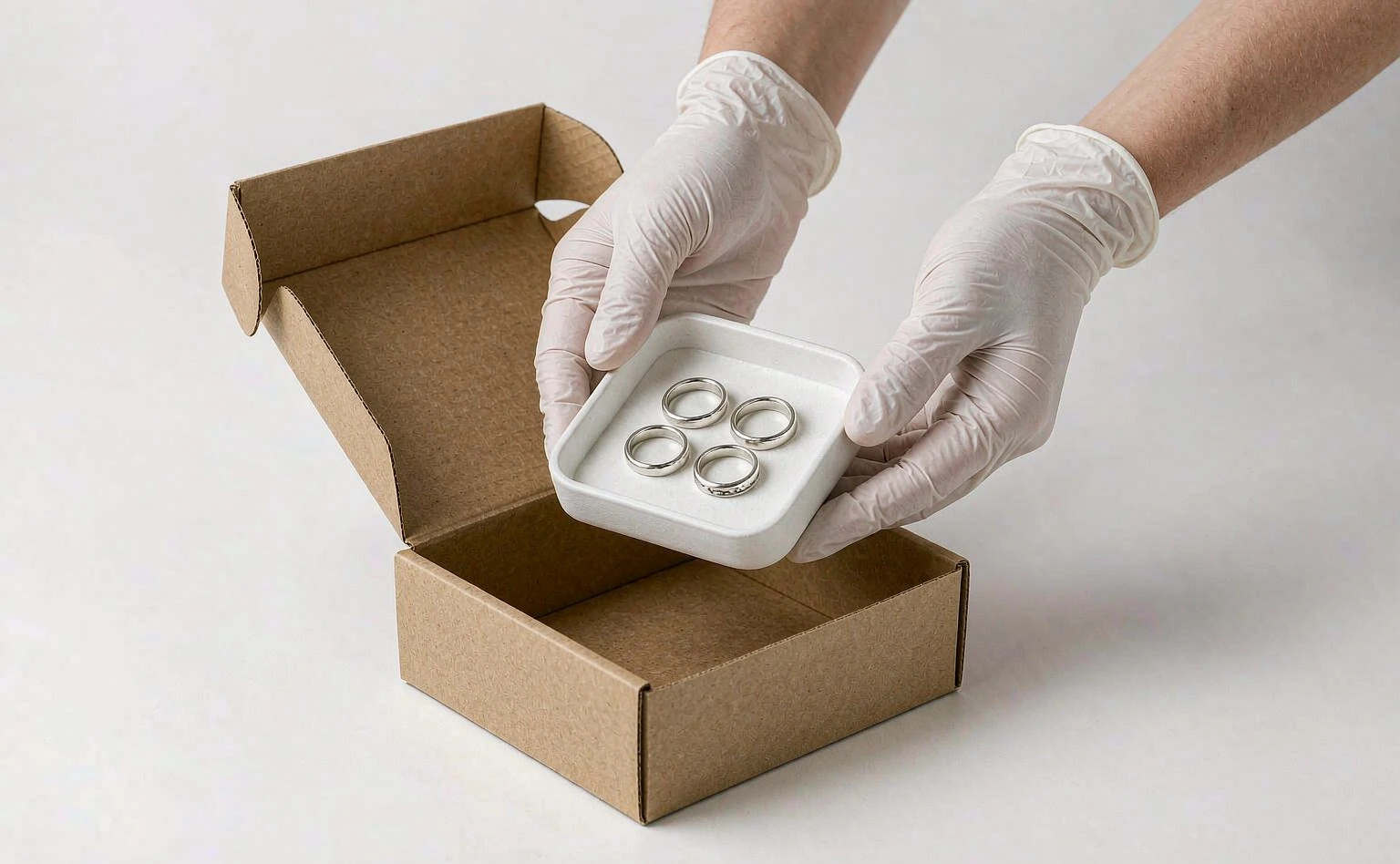

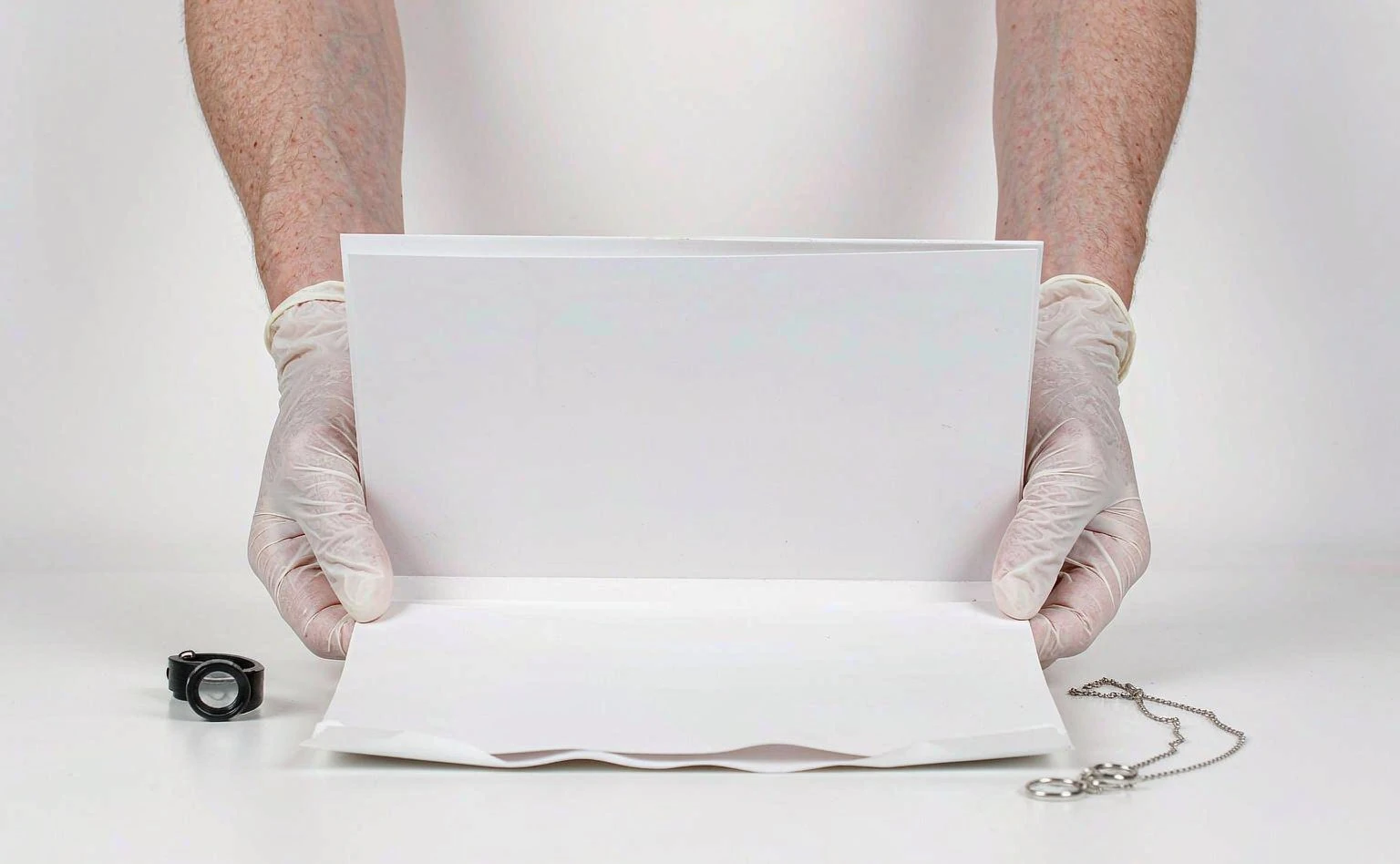
Not a defect list that says "generally okay" — a document you can forward to the factory as-is.
Every defect photographed at the inspection table, close enough to see the problem.
Findings split into critical, major and minor, against the AQL you booked.
Inspected versus passed quantities, barcode scan results and packaging status.
Pass, fail or hold against your criteria. The final shipment decision is always yours — the report gives you the evidence to make it.
A failed report is not the end of the order. It is the moment you still control what happens next.
Hand the report to the factory as-is — every defect is photographed and classified, so there is nothing to argue about.
The follow-up visit checks the reworked quantity against the original findings, not the whole lot again.
Passed styles or cartons can ship on schedule while the problem units stay behind. The report separates them cleanly.
How a recheck is scoped and when release makes sense: 100% full inspection after a failed FRI.
Four situations where one man-day at the factory is cheaper than the alternative.
Verify the factory can hold sample quality across a whole production run before you commit the balance.
The last shipment had loose stones or worn plating. This one gets checked before it leaves.
The inspection result lands in your inbox before the remaining 70% goes out the door.
A failed batch found at your warehouse costs weeks. Found at the factory, it costs a rework.
Four things. The better these are, the sharper the inspection.
Measurements, weights, materials, plating color references — whatever the factory agreed to hit.
The inspector compares production pieces against what you signed off, not against memory.
Total cartons decide how sampling is spread across the lot, and what "fully packed" means on the day.
Every scannable code and every required mark, so "wrong label" is a fact, not an opinion.
No public rate card, because the honest answer depends on your lot. Here is exactly how the price is built.
Most jewelry inspections finish in one man-day. Large lots, many SKUs or a 100% check take more — the quote says so upfront.
Inspector travel inside covered regions is included, not billed back to you.
A Saturday at the factory costs the same as a Tuesday.
Send the lot size, style count and test requirements to inquiry@utsinspection.com — the quote comes back with the exact scope in writing.
Thirteen provinces in China and thirteen countries across Asia. The jewelry clusters in Guangdong, Zhejiang, Fujian and Shandong all sit inside the standard 48-hour coverage.

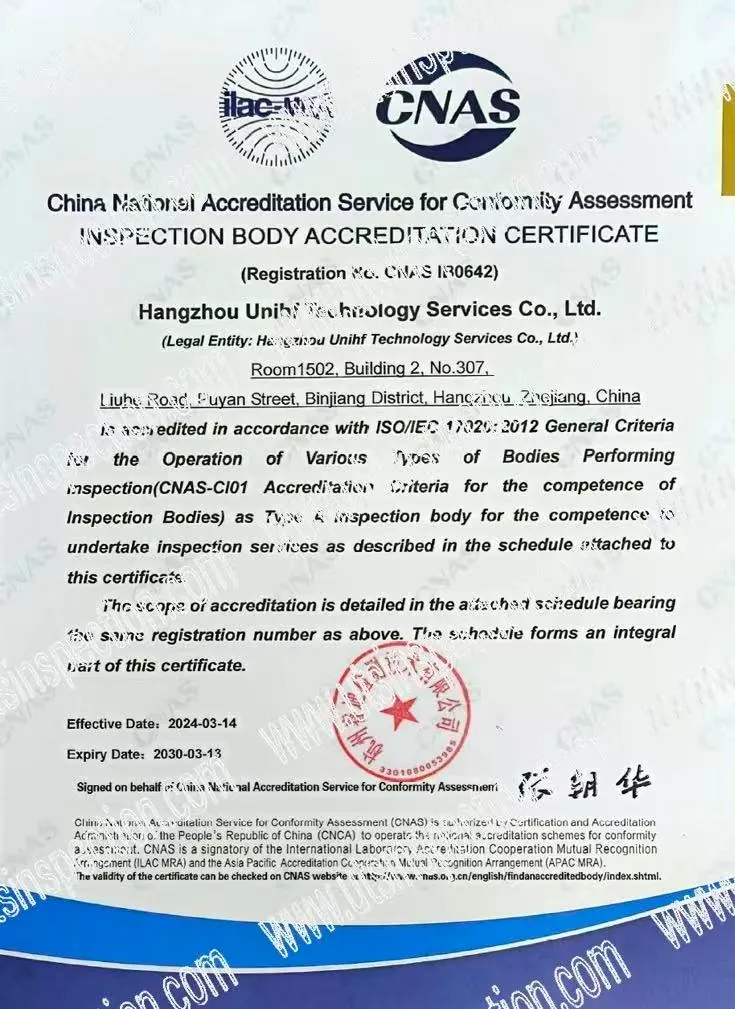
The certificate on the left is the real document. The registration number on it is CNAS IB0642.
CNAS-accredited as an inspection body — the standard written for companies that inspect for a living.
A certified quality management system behind every booking, report and escalation.
University-degree engineers employed by UTS, with GPS check-in at every factory visit — not contractors hired by the day.
Fashion, retail and consumer brands across the US and Europe book inspections with UTS.








Inspection is one checkpoint. These cover the rest of the order cycle.
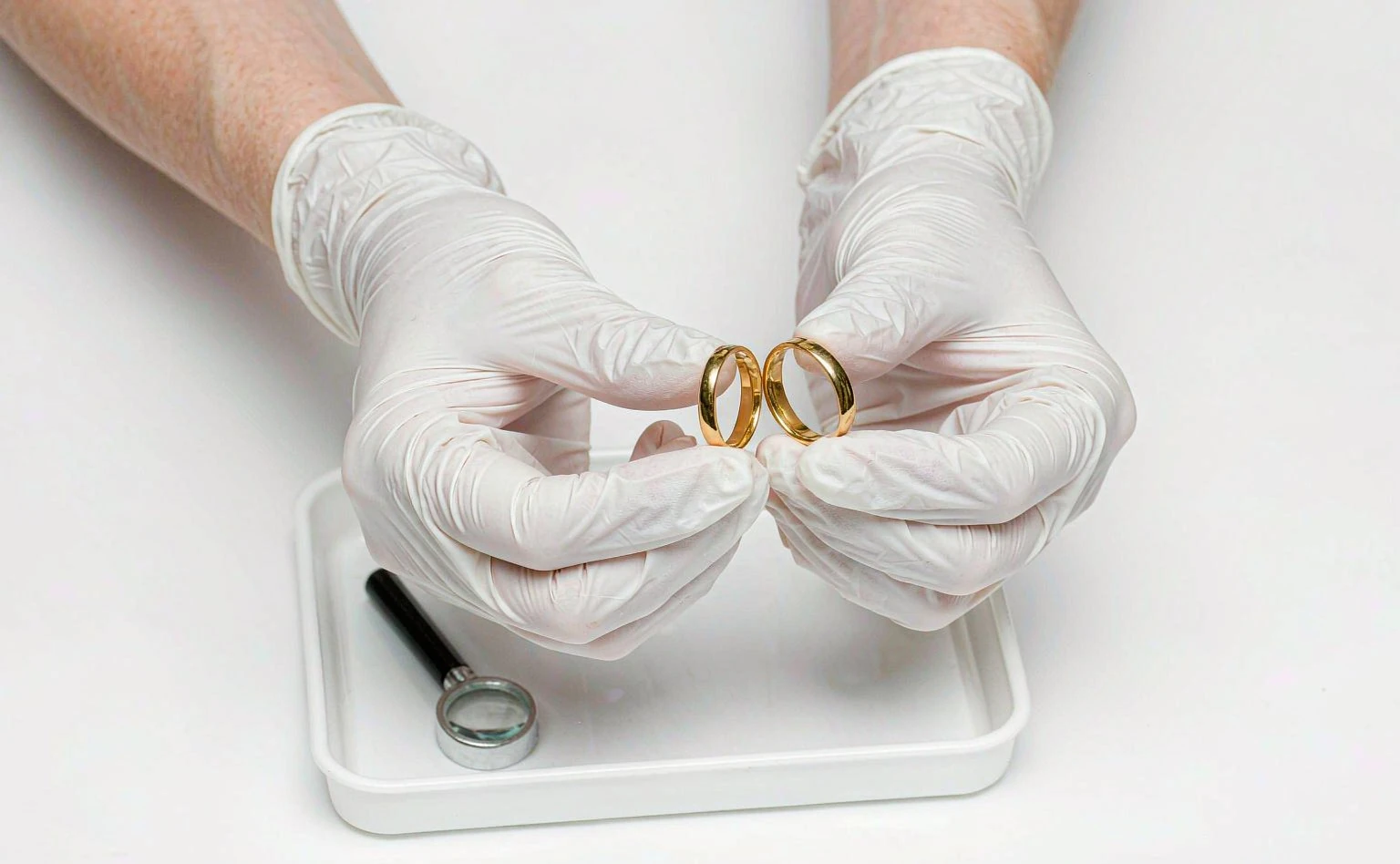
The standard pre-shipment check on finished, packed goods.
See the service
Pre-production samples measured and compared before you approve them.
See the service
Cartons counted, condition checked and the container sealed in front of our inspector.
See the service
Verify a new jewelry supplier exists and can actually produce before the first PO.
See the serviceChecklists and preparation guides from our own inspection work.
Specifications, AQL setup and the packaging files to send with a booking.
Read the article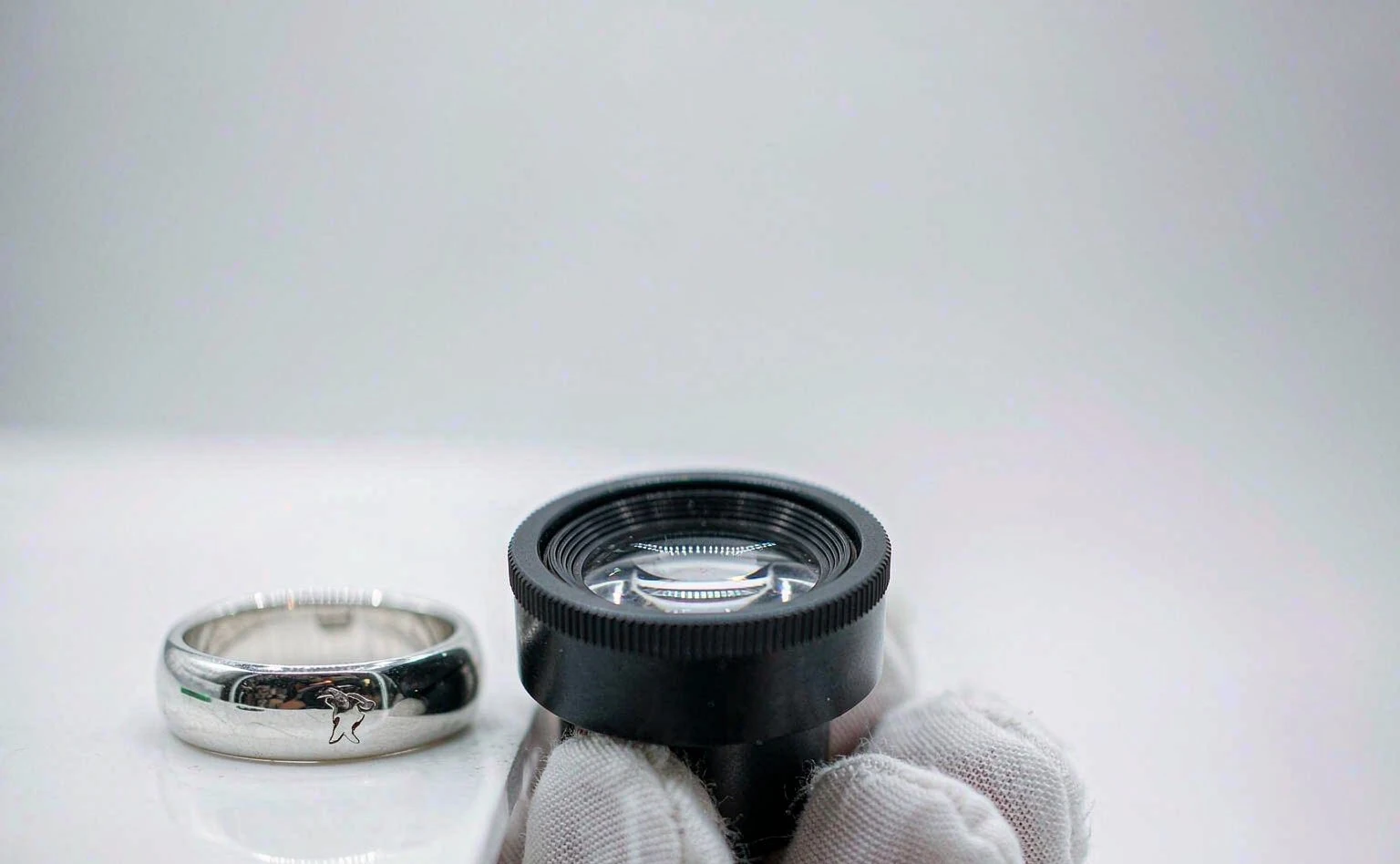
How a recheck is scoped, how defects get classified, and when release makes sense.
Read the article
The full tables behind "how many pieces do you check" — every lot size mapped.
Read the article
Critical, major and minor — what each tier means for your accept or reject call.
Read the article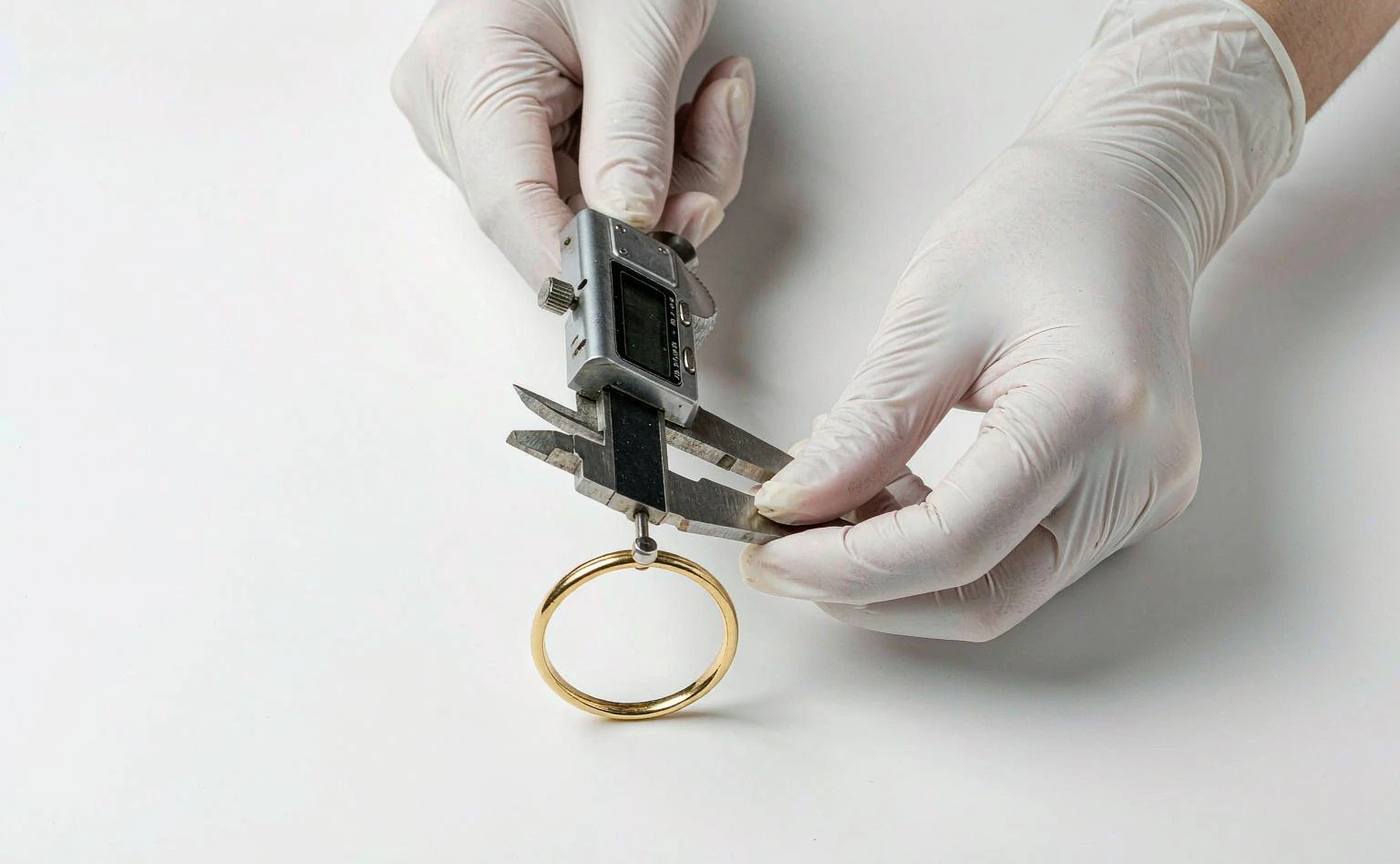
One email with your PO and spec is enough to start. Scope, price and an inspection date come back in writing.
Pricing is per man-day and depends on your lot size, the number of styles and the tests you need. There are no travel fees and no weekend surcharges. Send your spec to inquiry@utsinspection.com and the quote comes back with the exact scope in writing.
Within 48 hours of booking, across 13 provinces in China. We also cover 13 countries in Asia for orders outside China.
You hear the result — pass, fail or hold — the same day, before the inspector leaves the site. The full PDF report with photos follows within 24 hours.
The report documents every failure with photos and classified counts, and the release decision stays with you. Most buyers ask the factory to rework the affected units, then book a re-inspection on the reworked quantity.
On site we verify stamps, markings, weight and workmanship. Chemical composition — purity, lead, cadmium, nickel release — is a laboratory job. We draw and seal the samples on site and coordinate the lab test so the result is documented.
Sampling follows ANSI/ASQC Z1.4 (ISO 2859-1), default General Level II, with Critical 0, Major 2.5 and Minor 4.0 acceptance limits. For high-value lots you can book a 100% full inspection where every piece is examined.
Yes. Every unit gets a barcode scan, and we check hang tags, polybags, pouches, boxes, the style assortment per PO and run a carton drop test matched to the carton weight.
Your PO details, a spec sheet with tolerances, approved sample photos, the packing list and carton count, and your barcode and label files. Scope and price are confirmed in writing before the visit.
Email the PO and spec sheet, or call the team directly. You can also book straight through the order portal.
Also on +86 571-87423201 · Book online at order.utsinspection.com · WhatsApp +86 135 6036 2484