Tel
+852-61343425
We send an engineer to your factory in China or Asia to check your injection-molded parts before they ship. Appearance, dimensions, function and packing, checked against your drawing and your approved sample. Problems get caught at the factory, not at your customer's door.
Prefer to talk first? Call +86 135 6036 2484 and describe the part.
Molding drifts. Resin gets swapped, cavities wear out, cooling goes off balance. These are the defects we photograph, count and classify in every report.
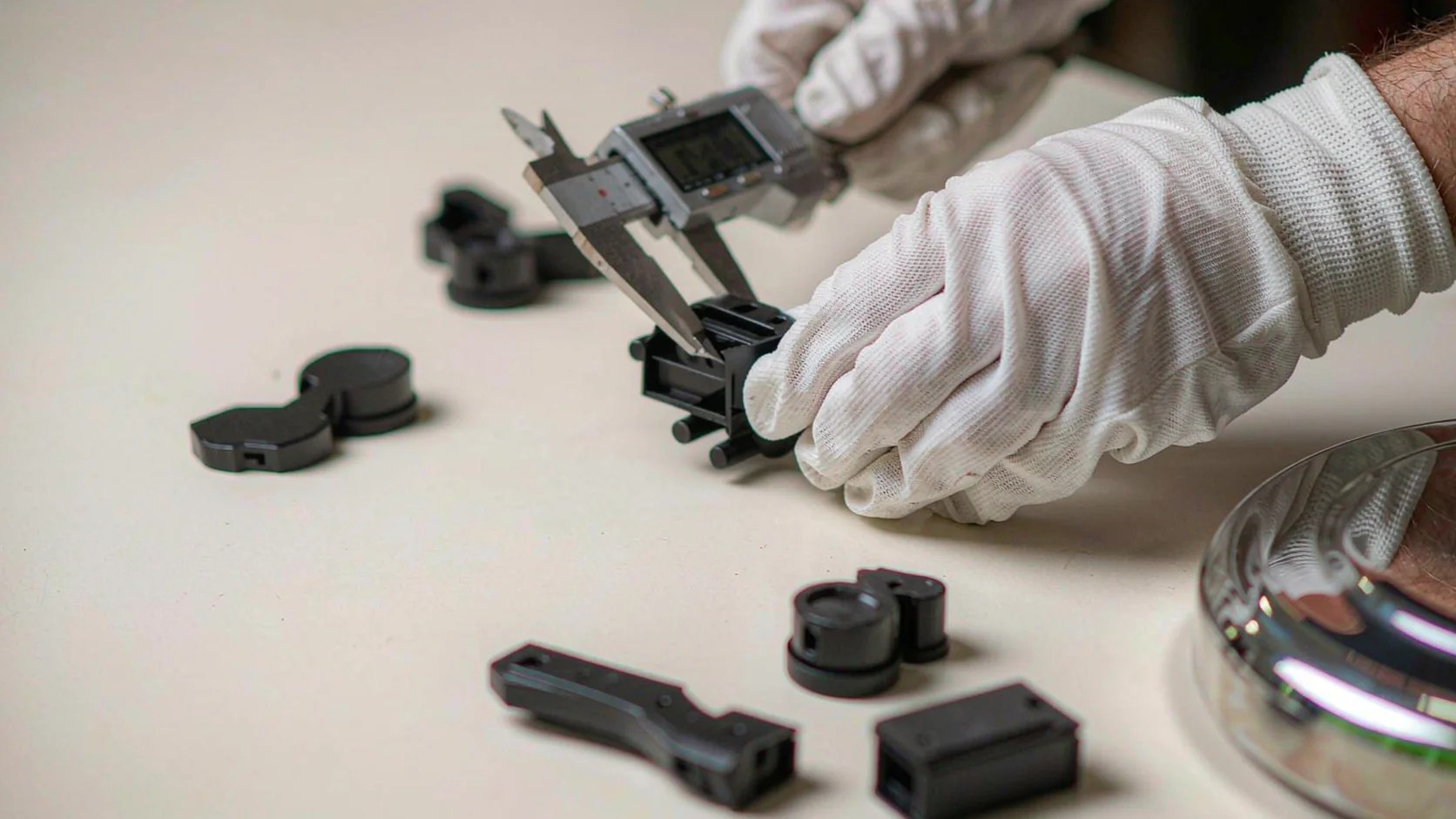
Excess plastic left at the parting line after demolding. Sharp edges, assembly gaps, returns.
The cavity never filled completely. Missing features and bosses that crack on first use.
Uneven cooling pulls the surface inward. Visible dents on the faces your customer sees.
Parts bend as they cool. Lids that will not close and panels that rock on a flat table.
Where melt fronts meet inside the cavity. Weak lines that snap under load.
Degraded resin or contamination in the barrel. Cosmetic rejects across a whole batch.
Batch-to-batch variation against your master sample. Mixed shades inside one carton.
Tool wear moves critical dimensions out of tolerance. Parts that no longer fit your assembly.
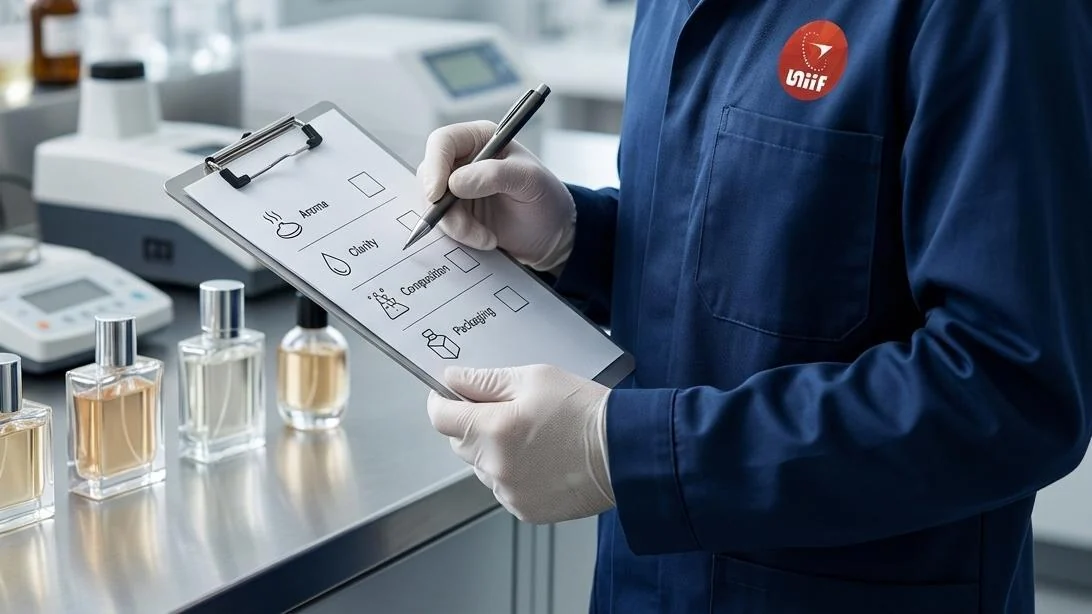
Real findings from real inspections, taken from our quality control checklist notes. Names removed, numbers kept.
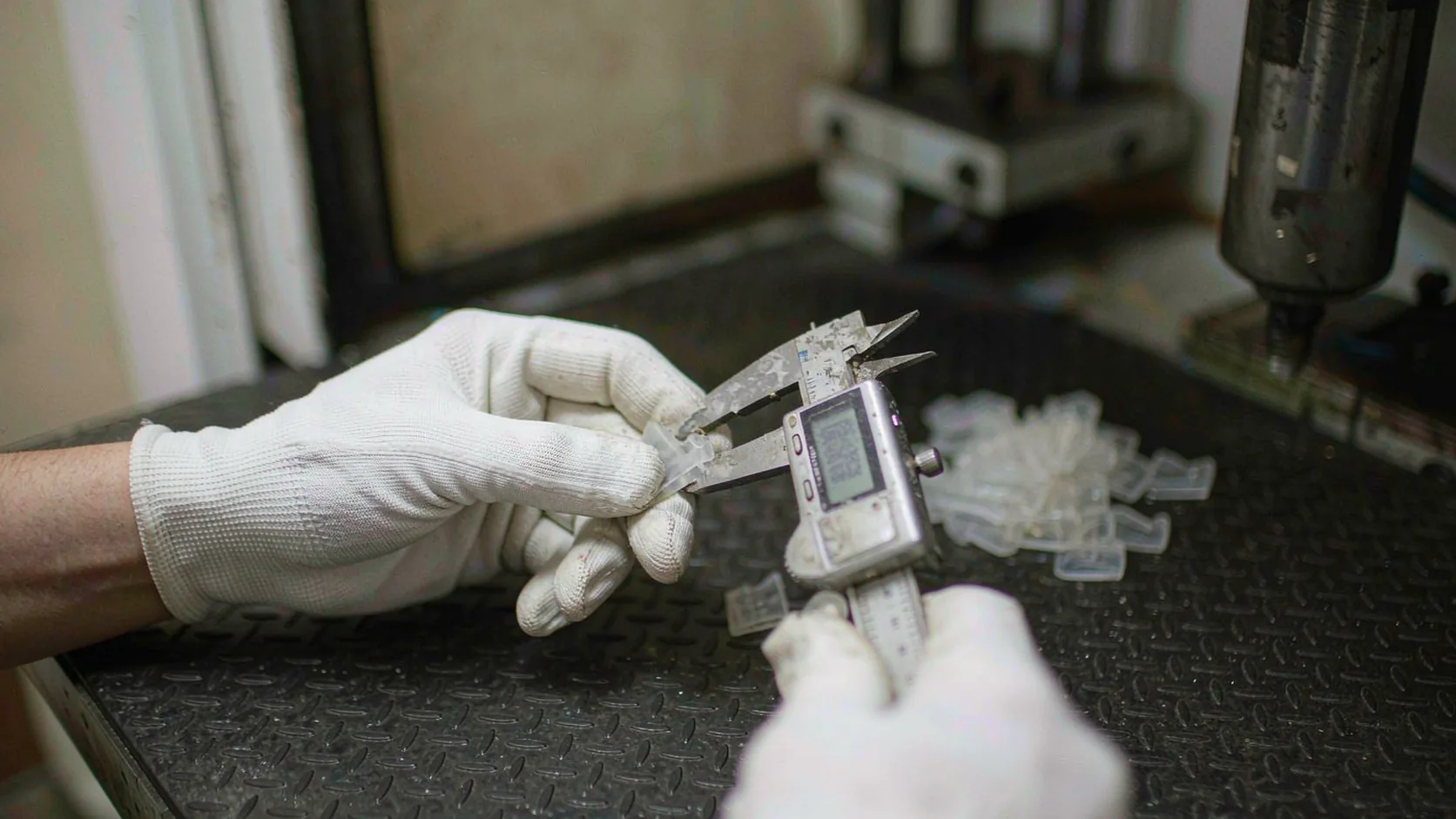
Out of 200 smart-speaker bases pulled from a 10,000-piece lot, eight had screw boss inner diameters over the drawing tolerance. The whole batch went back to the injection workshop.
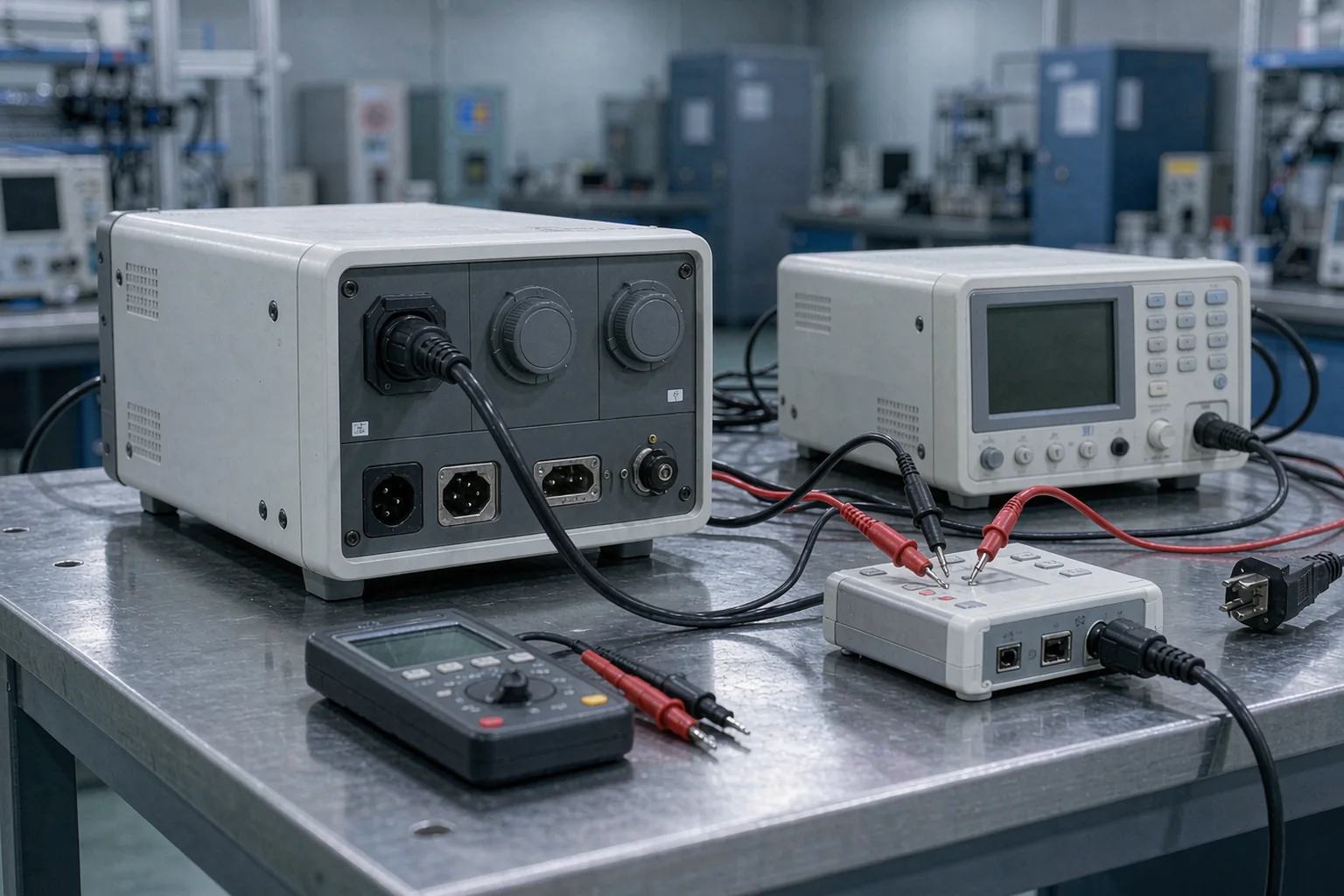
A UL94 burn bar failed to self-extinguish and burned past the 125 mm mark. Three tons of raw material, priced at 25,000 RMB per ton, were rejected and returned.
A strap buckle showed flow marks from a poor injection setup. It still held a 50-kilogram pull, but the finding went into the report and the factory corrected the process.
Tell us the part, the material and the factory city. We come back with scope and price before you commit to anything.
Get an Inspection QuoteFive checkpoints. Your drawing and your approved sample sit on the table next to every part we check.

If it comes out of an injection mold, we have probably stood in front of it.
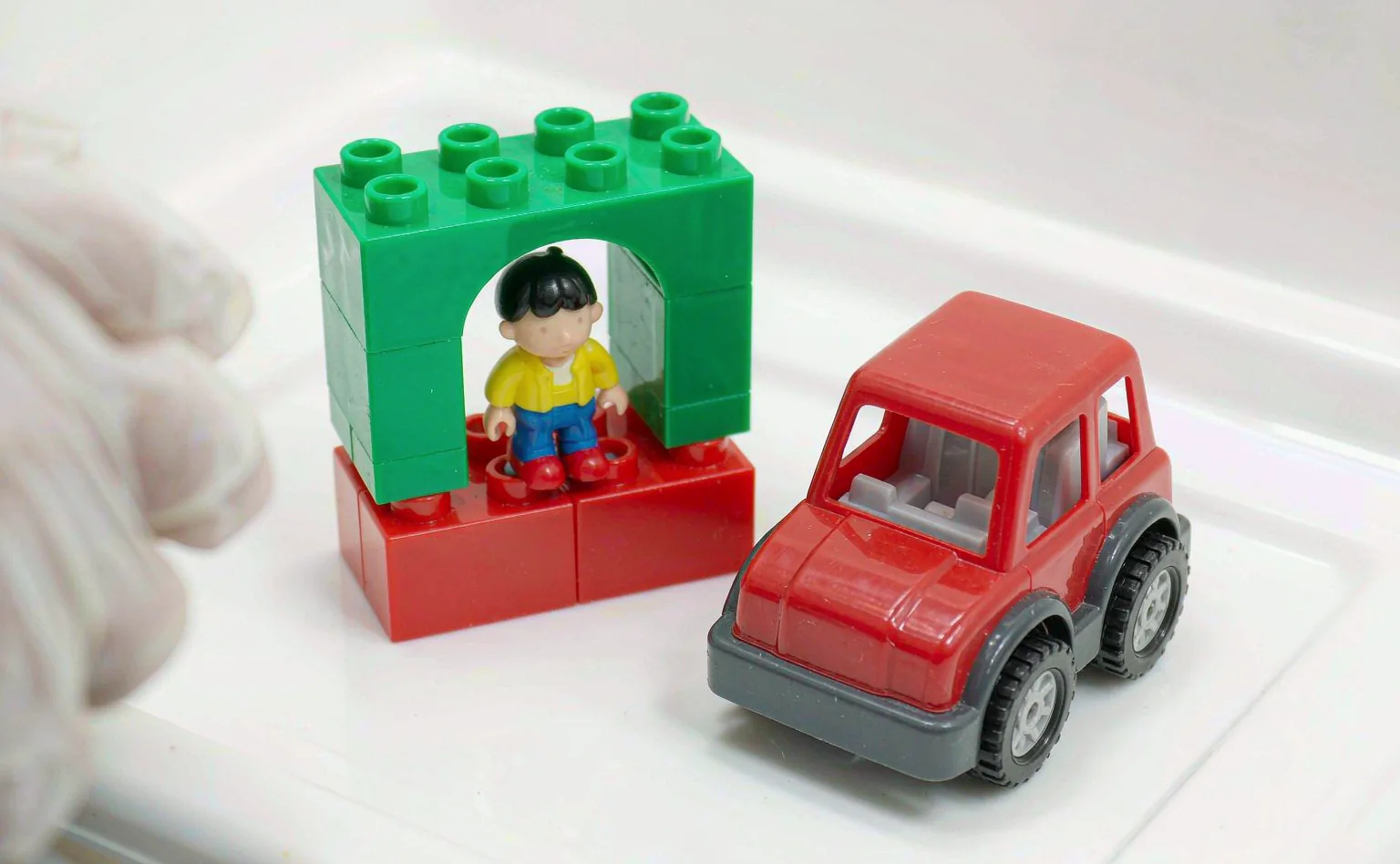
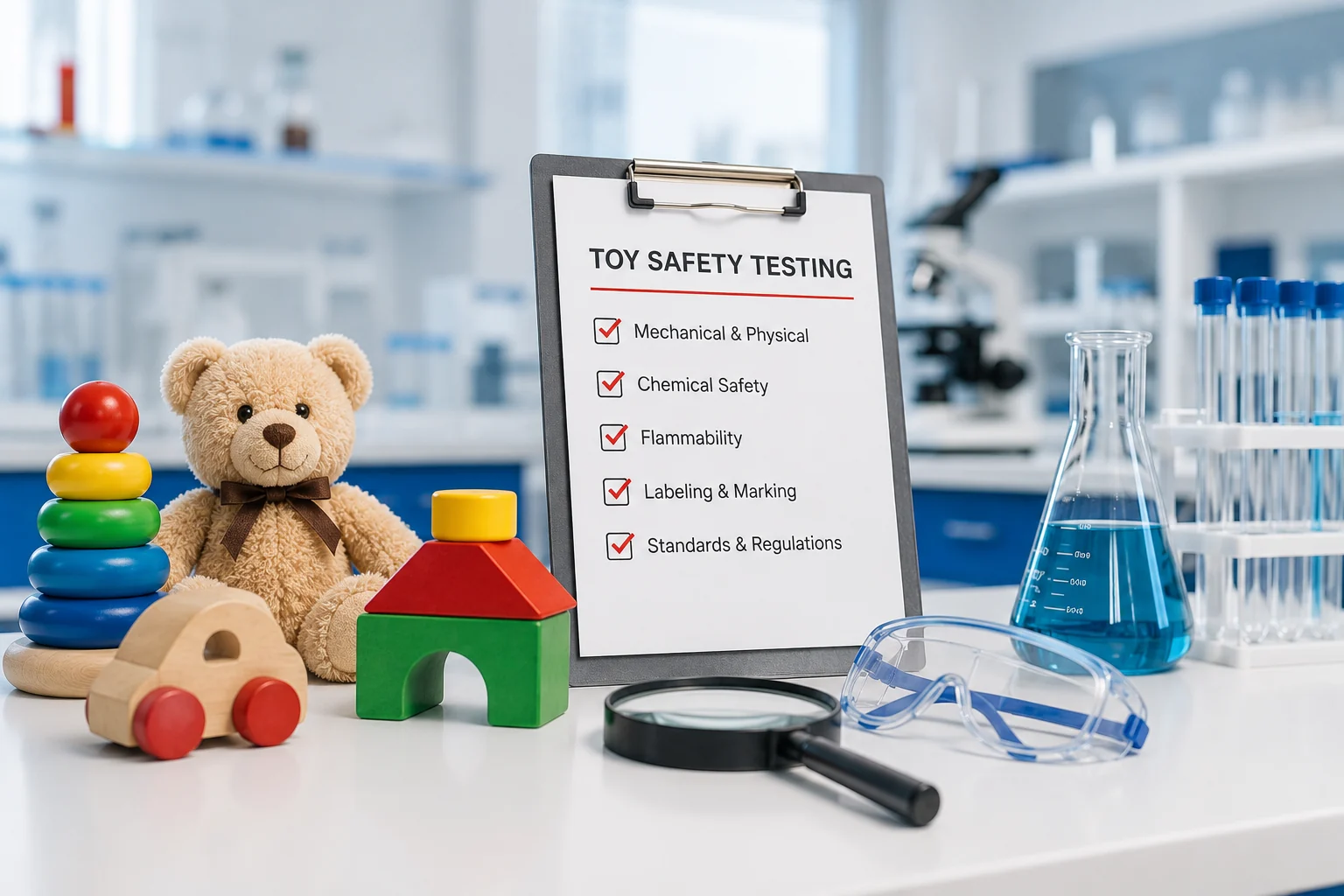
Small parts, sharp edges and material safety get extra attention here.
View toy testing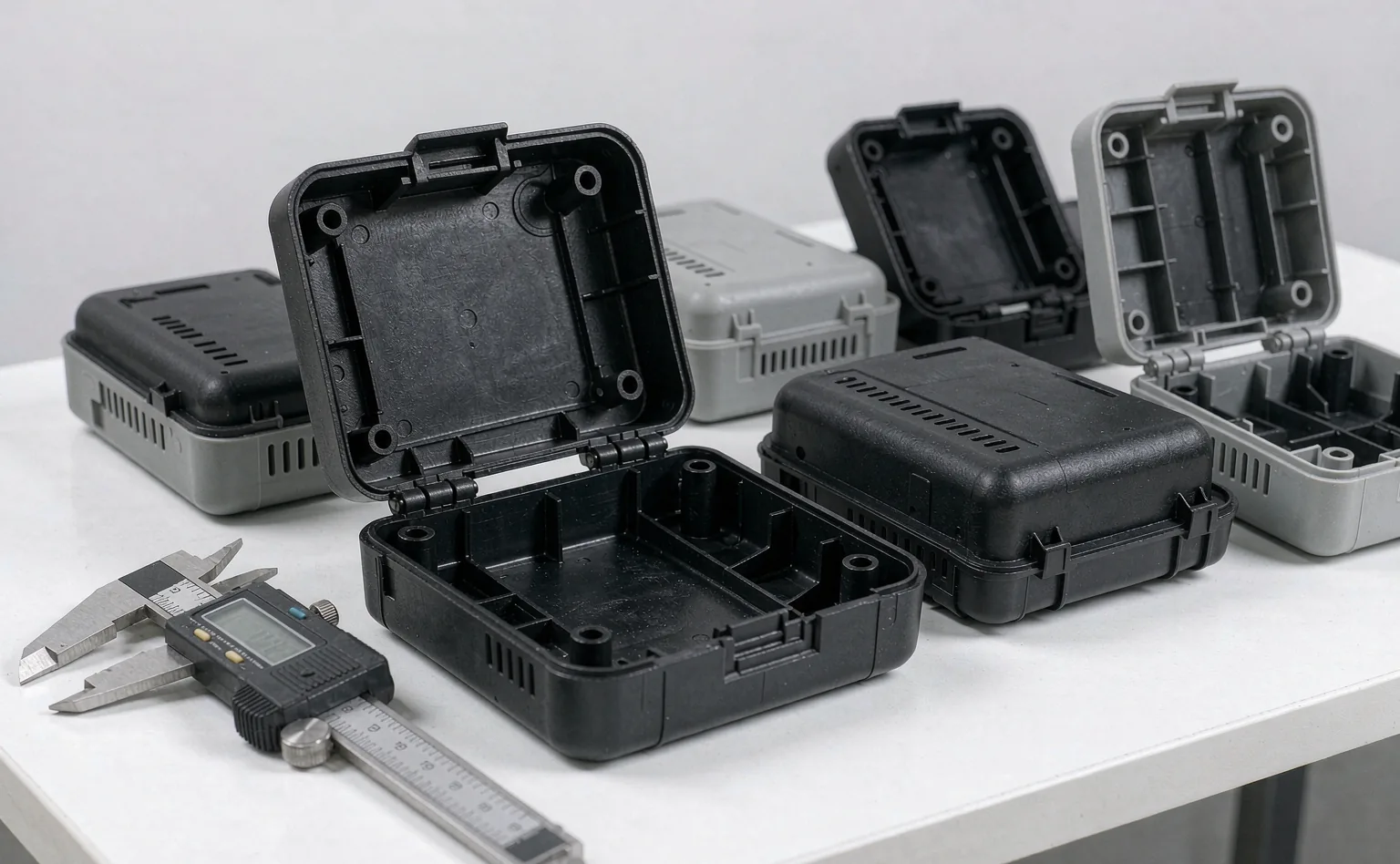
Flame rating, wall thickness and assembly fit, checked against your spec.
Why electronics need QC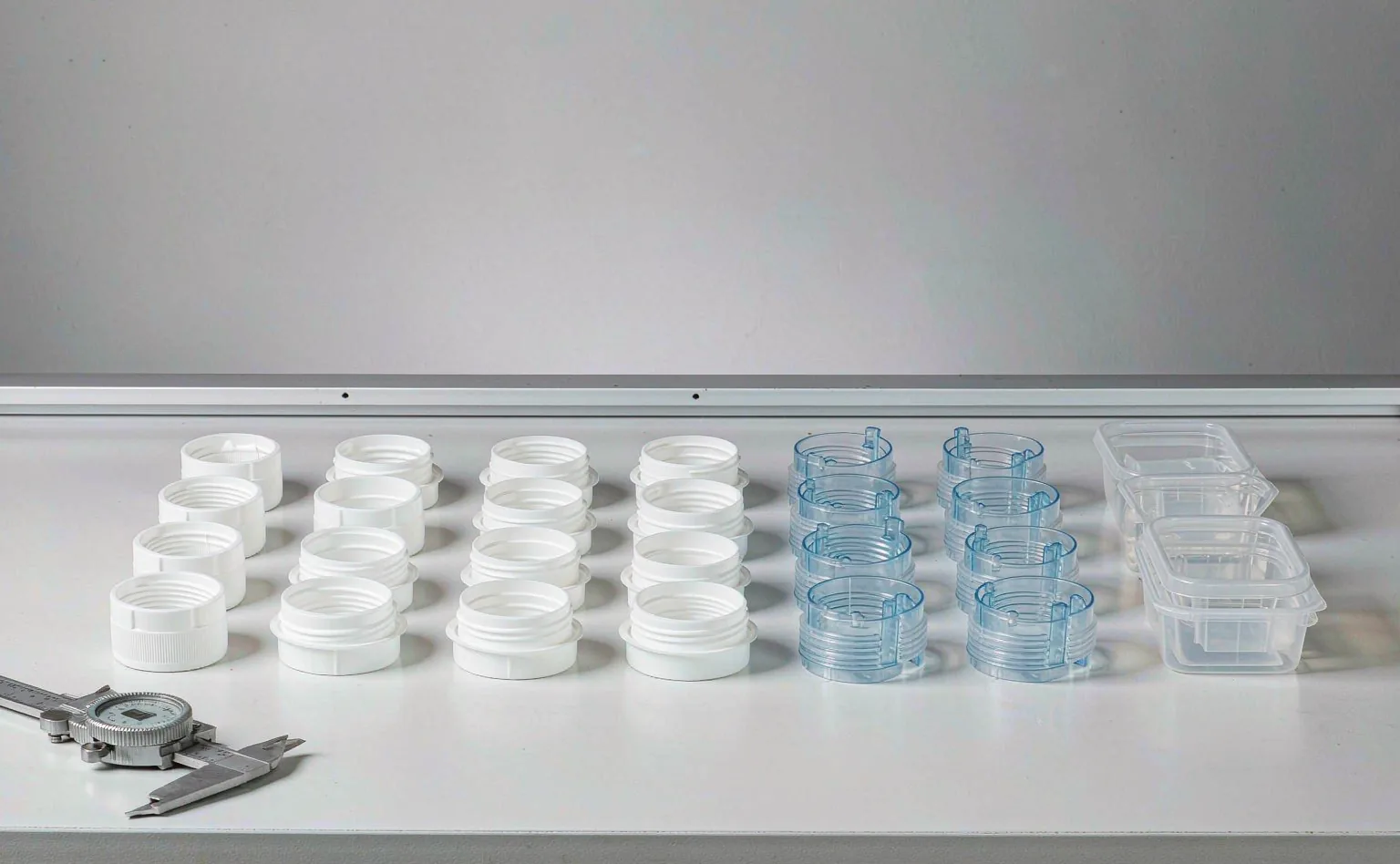
Threads, seals and food-contact material questions answered on site.
Material screening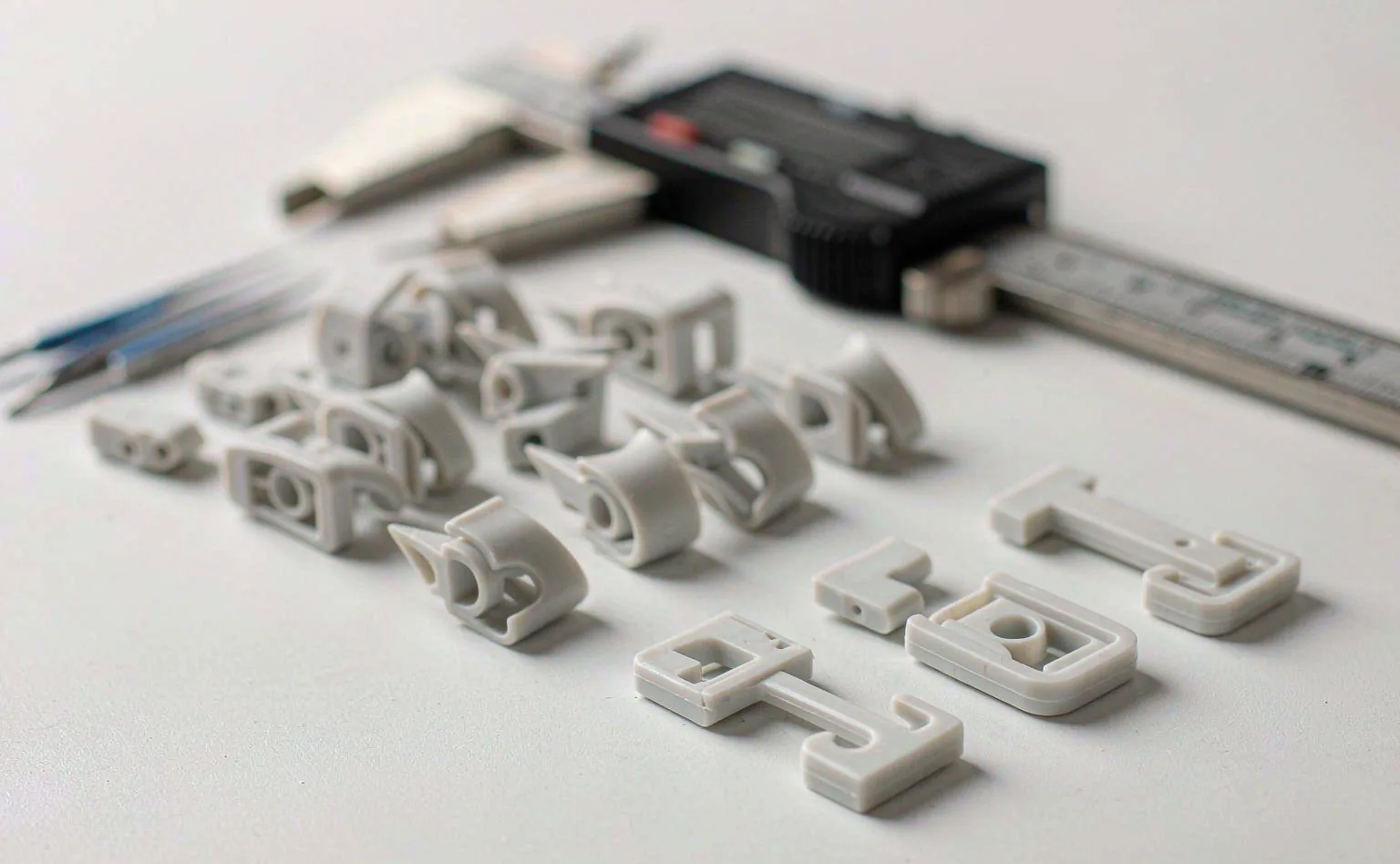
Flow marks, flash and pull strength on the parts that hold your product together.
When AQL is not enoughFive moments when buyers book us. If one of them sounds familiar, it is probably time.
The mold is dialed in and the first parts come off. Verify dimensions and appearance now, before the cavity runs ten thousand pieces. Our first article inspection approach records every critical measurement against your drawing.
Process drift shows up in the opening hours of a run. An engineer at the line catches parameter problems while they are still cheap to fix.
The last shipment had issues and the factory says it is fixed. An independent check confirms it before the goods leave.
Use the inspection result as your payment trigger. Pass releases the balance, fail starts the rework conversation with evidence in hand.
The lot is finished and packed. A final random inspection confirms quantity, quality and packing before the doors close.
From your first email to the finished report, this is the whole process. No surprises anywhere in it.
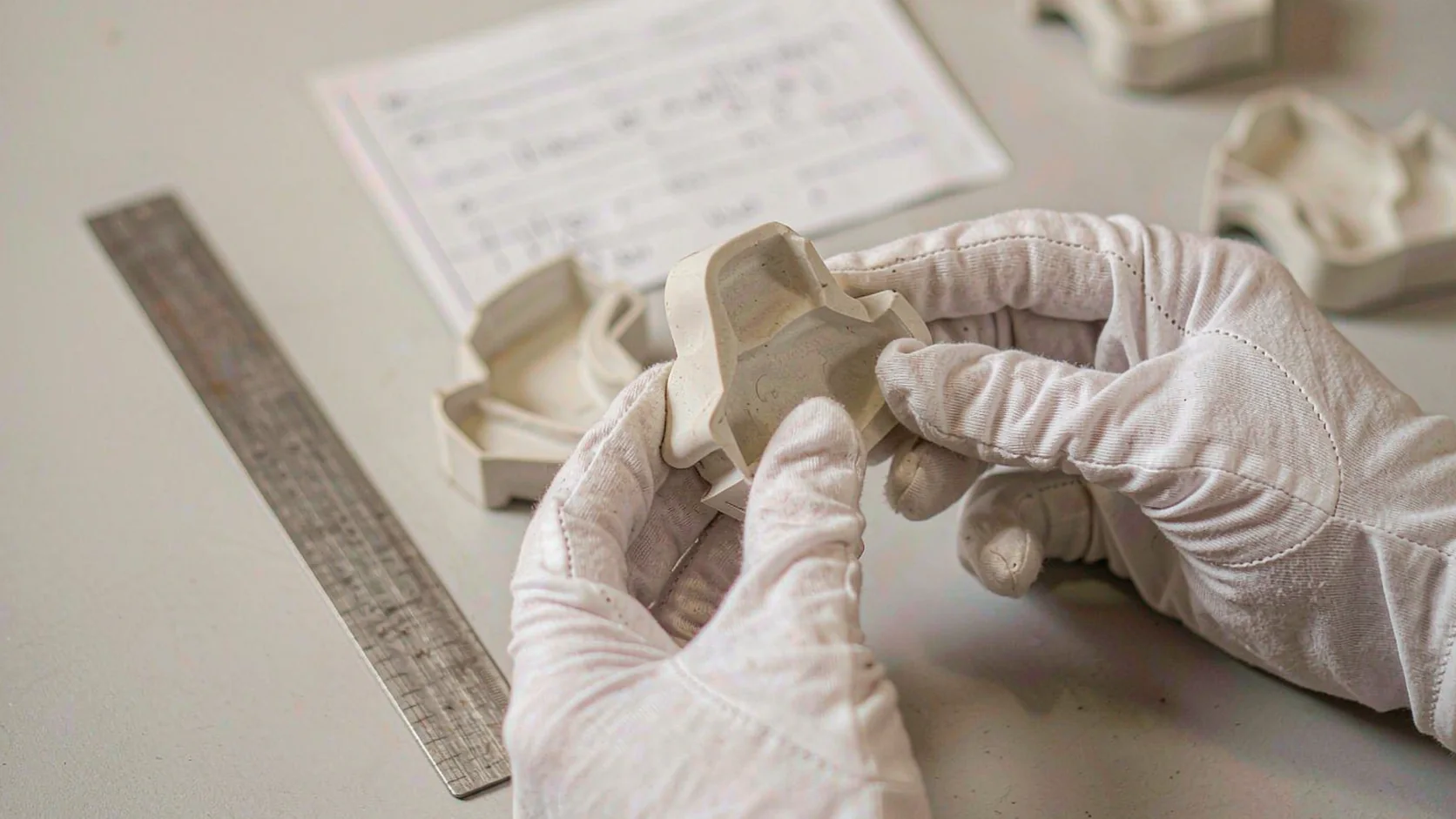
Purchase order, drawing, sample photos and your defect list. We confirm scope and price before the visit.
A full-time UTS engineer checks in at the factory with GPS confirmation of the location.
Pieces are drawn per ANSI/ASQC Z1.4 from cartons across the whole lot. The factory picks nothing.
Appearance, dimensions, function, material and packing, with your sample beside every part.
The factory hears the result before we leave. No surprises when the report arrives.
A PDF report lands in your inbox within 24 hours with photos, measurements and a pass, fail or hold result.
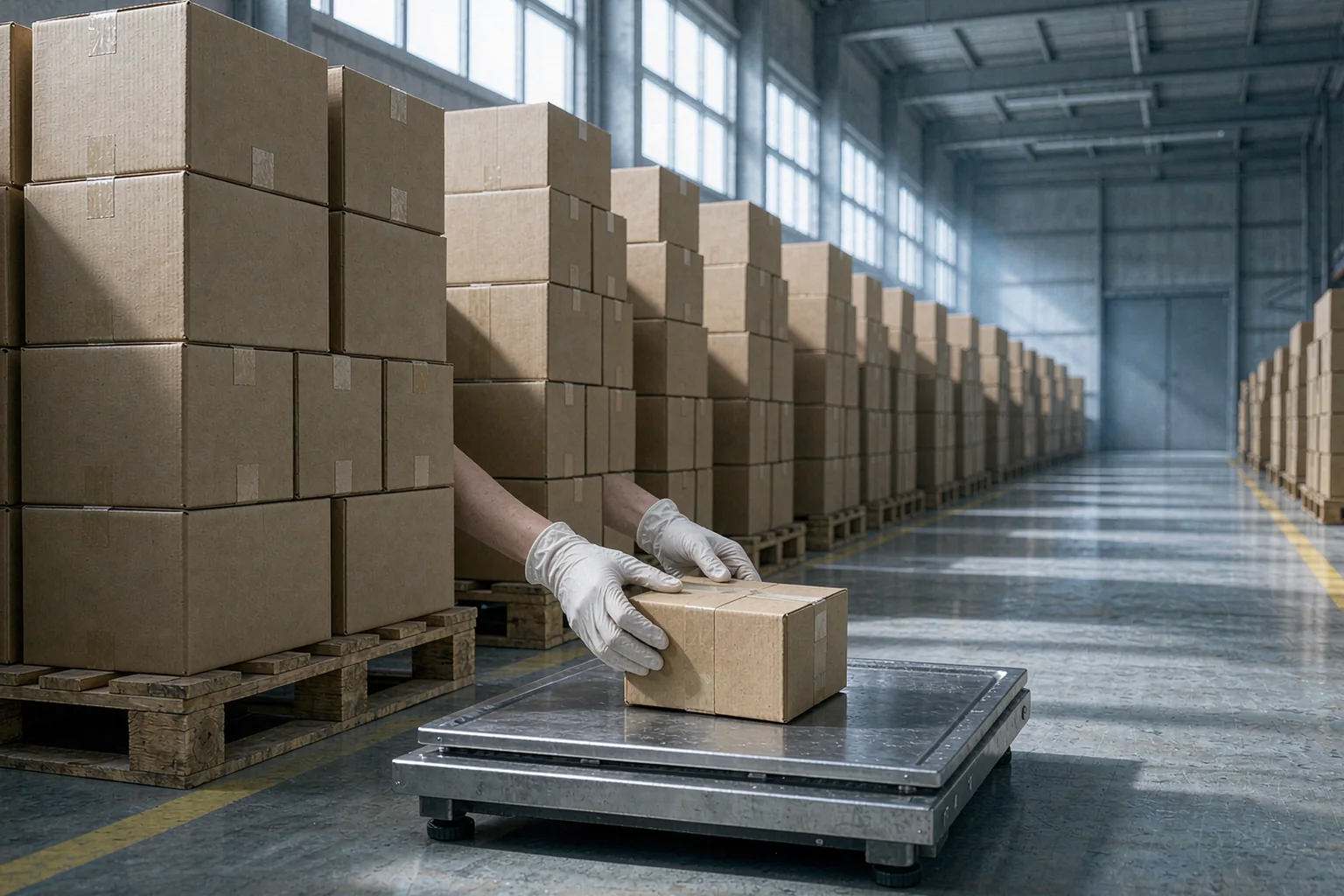
Booking takes one email. The engineer, the sampling plan and the report are on us.
Book an InspectionEvery lot is sampled to ANSI/ASQC Z1.4 (ISO 2859-1), General Level II by default. On a 10,000-piece lot that means 200 pieces pulled from cartons across the warehouse. Your specification can tighten any level. See the AQL sampling tables and how we grade critical, major and minor defects.
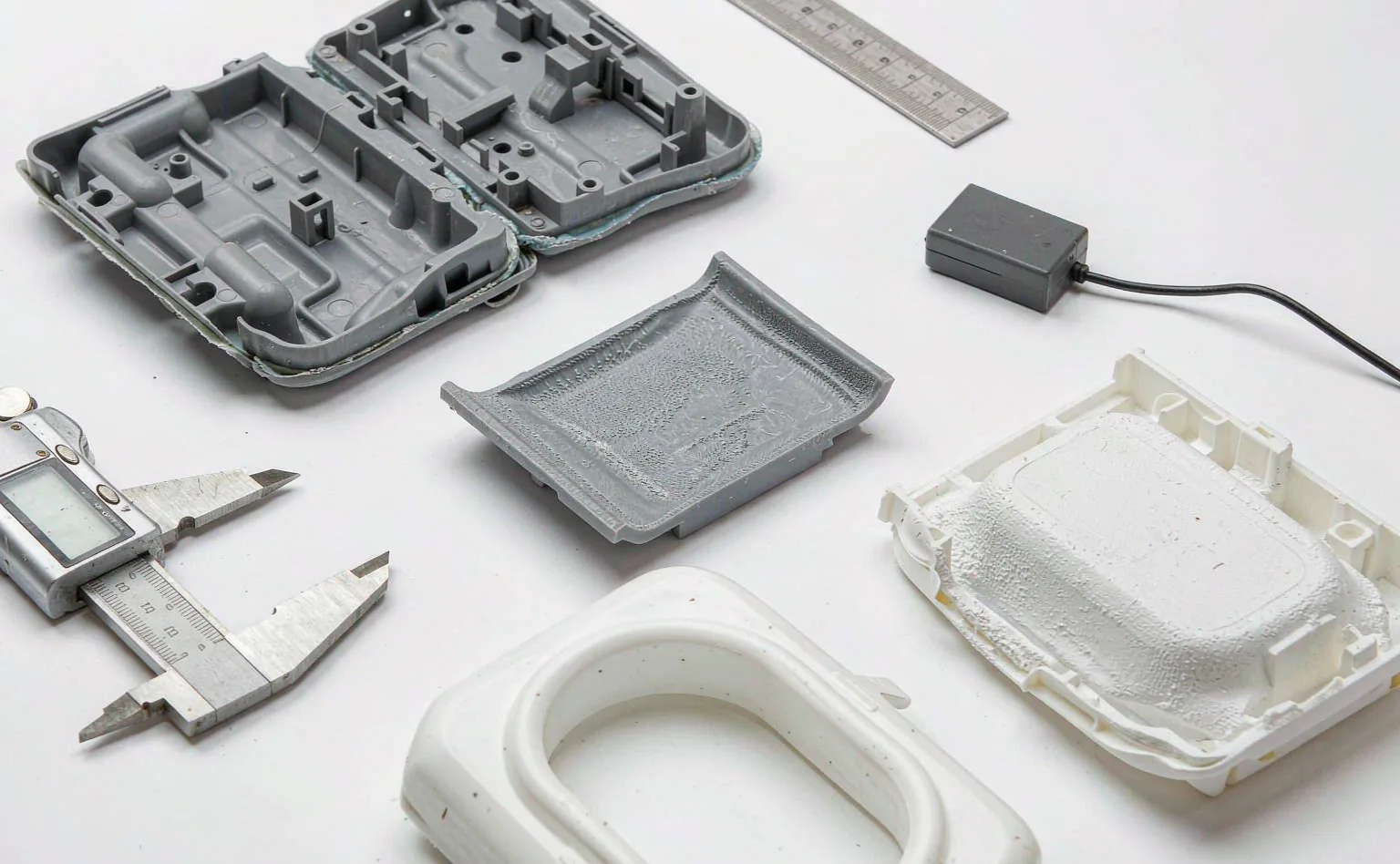
Anything unsafe or non-compliant stops the lot. No acceptance allowance.
Defects your customer would notice: out-of-tolerance dimensions, visible surface damage, failed function.
Small cosmetic deviations from the approved sample that do not affect use.
The most expensive plastic defects are invisible. The part looks right until it warps in the sun, cracks in the box or fails a lab test at customs.
The specified grade is checked against what is actually in the hopper. In one documented case, a downgraded casing material dropped the melting point from 260°C to 105°C. Nothing on the surface warned anyone.
Housings and enclosures are checked for the UL94 V-0 or V-1 rating your market requires, with supplier declarations reviewed line by line.
Too much regrind makes parts brittle. We raise the question on site and record what the factory actually runs.
Phthalates and restricted substances are screened by GC-MS through our laboratory testing service, with reports your customs broker and retailers accept.
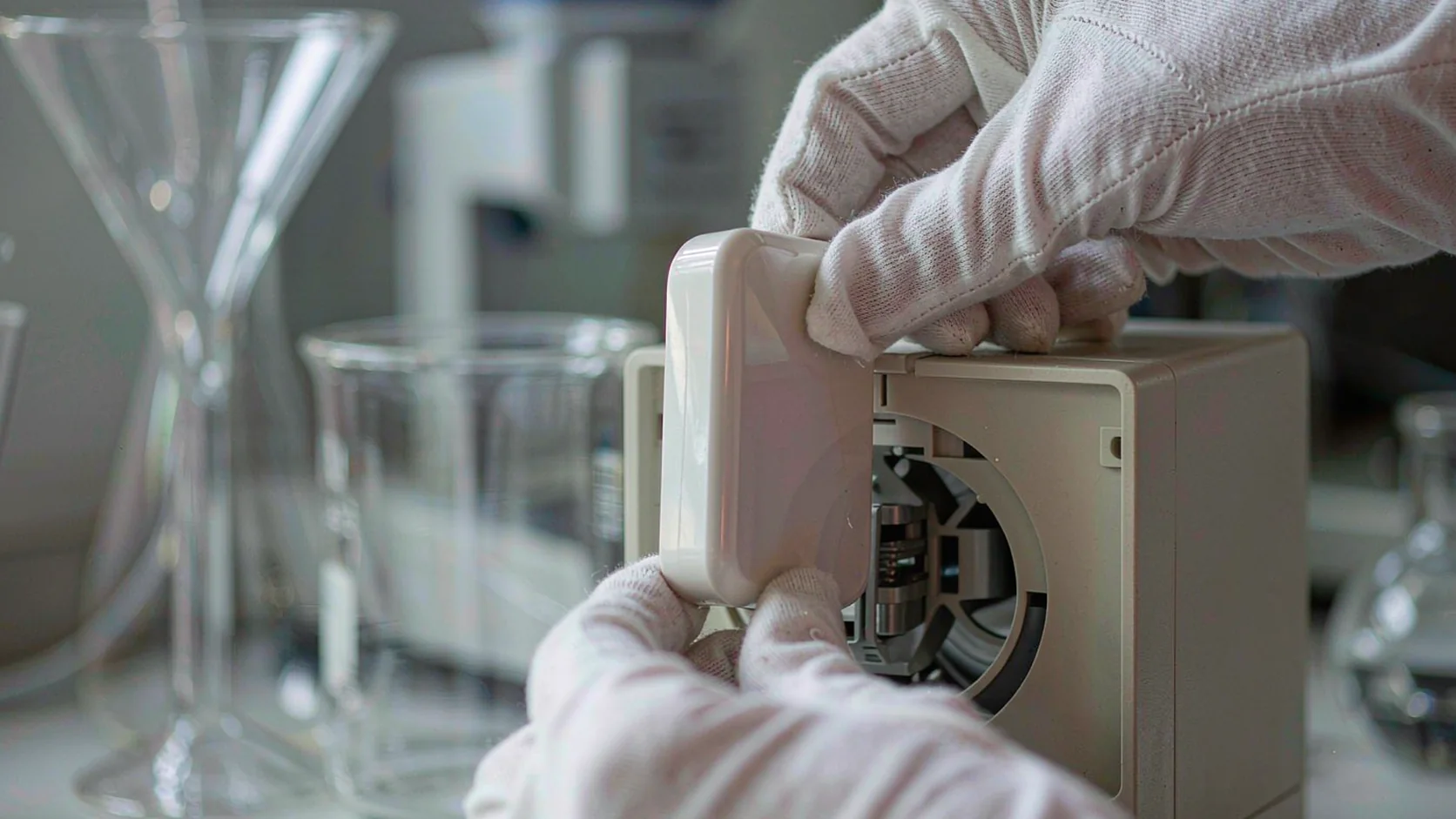
Our engineers are based near the major molding hubs, so booking to on-site takes 48 hours in most cases. No travel fees and no weekend surcharges, wherever the factory sits.

Four things. The more complete they are, the faster and tighter your quote.
With the critical dimensions marked. No drawing yet? Photos of the part next to a ruler work too. We have started with less.
Or clear photos of it. This is what "good" looks like, and it sits on the table next to every part we check.
What you cannot accept and why. Flash on a visible face? A lid that must click? Tell us and it becomes a checkpoint.
Factory city, lot size and your deadline. That is all we need to confirm the schedule and the exact price.
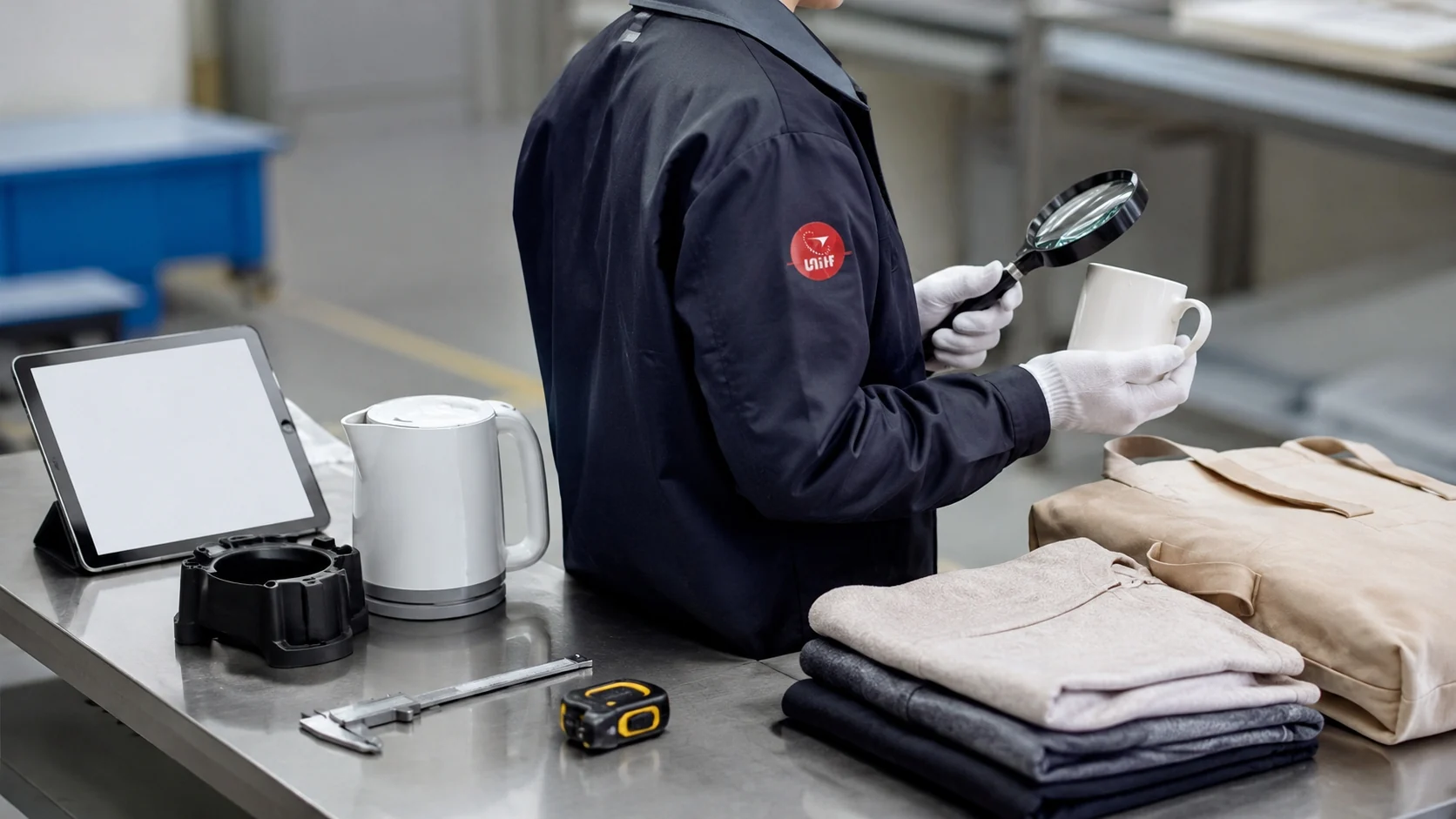
No published price list, because no two molds and no two factories are the same. Here is exactly how we build your number.
One rate covers the engineer's time, sampling, on-site tests and the report. Simple products near a hub cost less than complex assemblies far from one.
No travel fees. No weekend or holiday surcharges. The quote you approve is the invoice you get.
You see the scope and the exact figure first. Nothing is scheduled until you sign off.
Send the product, lot size and factory city to inquiry@utsinspection.com and we come back with a number.
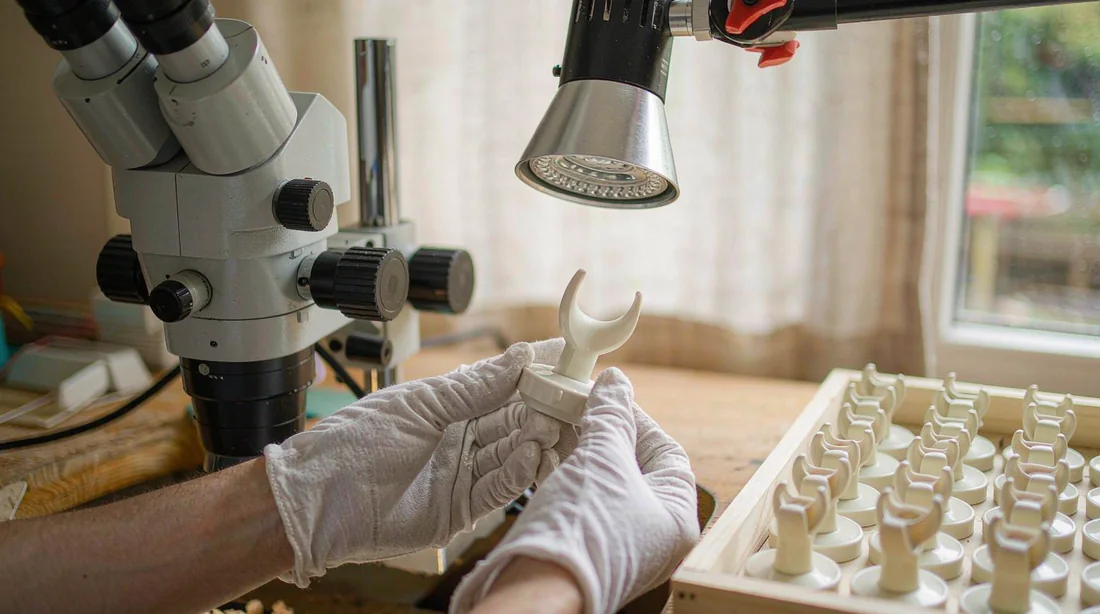
A pass releases your money with confidence. A fail starts the rework conversation with photographs and measurements, not arguments.
Request an InspectionEverything the engineer saw, written so you can forward it straight to the factory or your own team.
Photographed, counted and classified critical, major or minor against the AQL you agreed.
Critical dimensions recorded against your drawing, value by value, not approximations.
The AQL result and a pass, fail or hold decision on the lot, stated on the first page.
What the factory said on site about each finding, noted before we left.
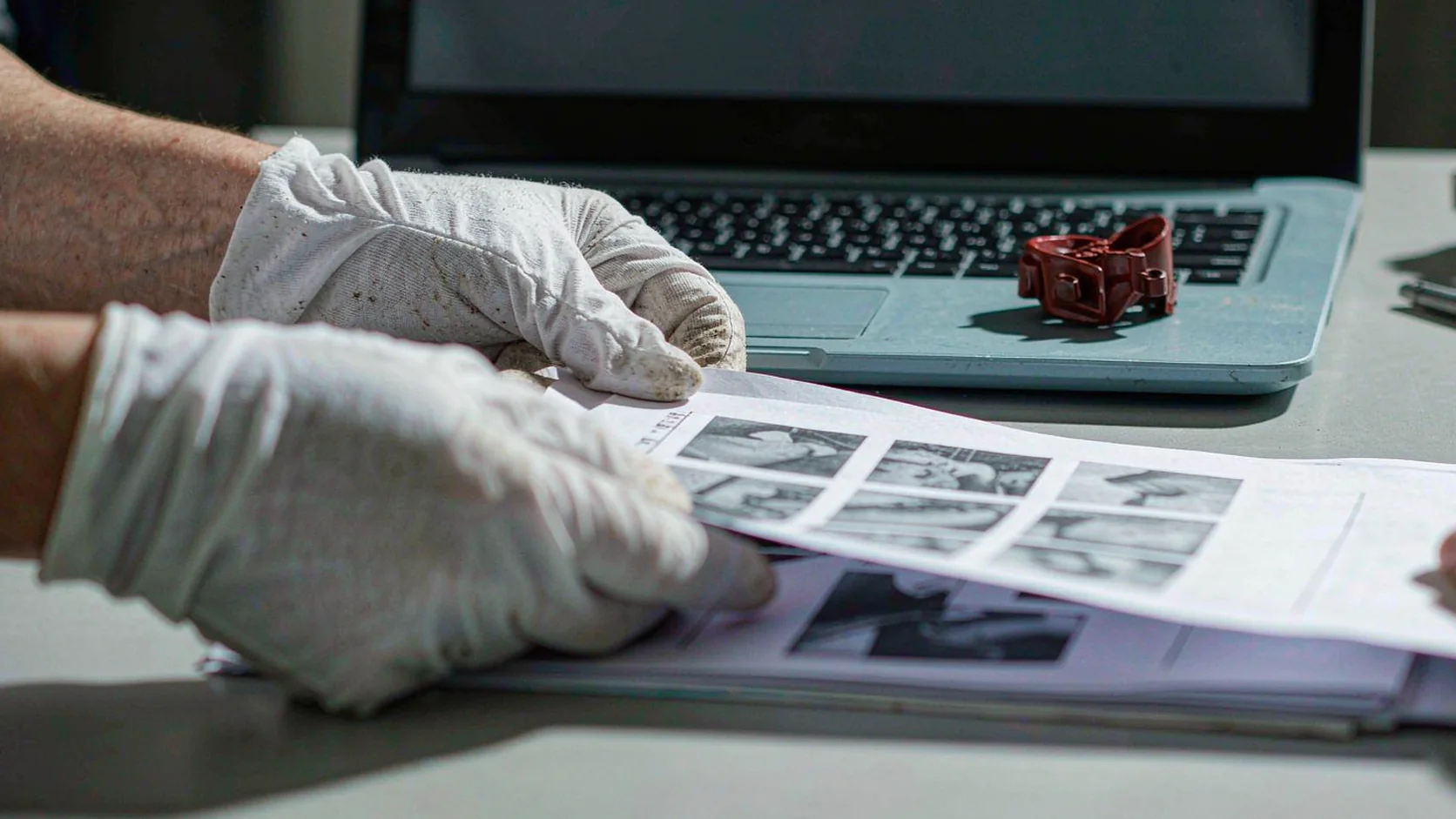
We have inspected products for importers since 2006. The credentials below are verifiable, not marketing copy.
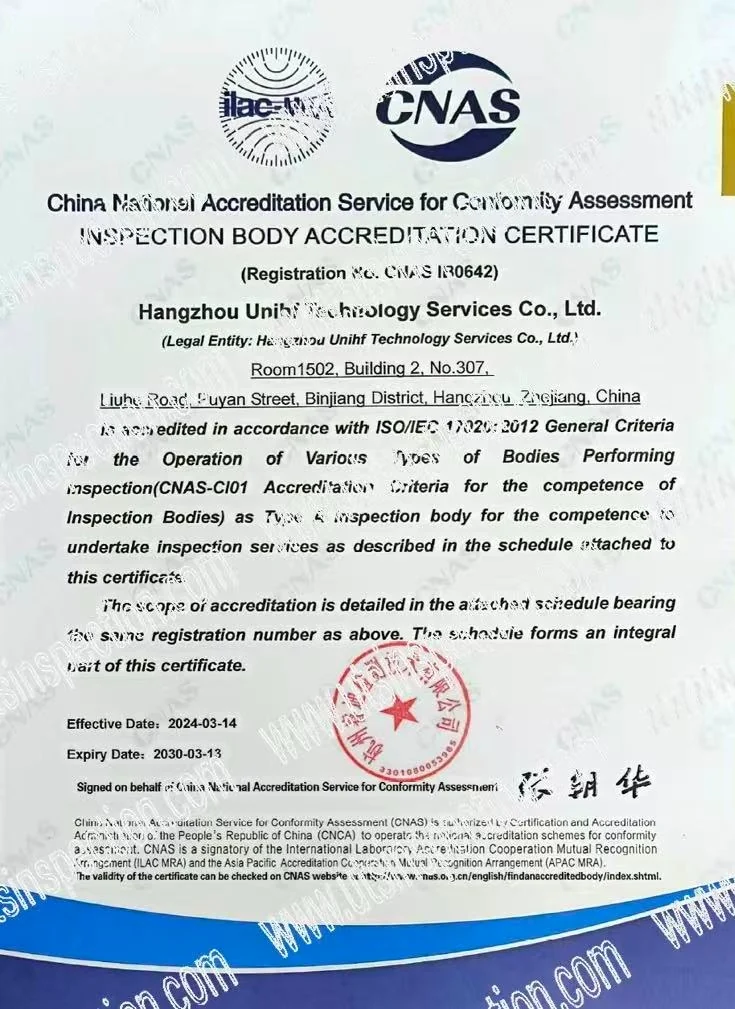
UTS is a CNAS-accredited inspection body against ISO/IEC 17020, certificate CNAS IB0642, and operates an ISO 9001:2015 certified quality management system.
Every inspection is carried out by a university-educated UTS employee. No freelancers, no subcontracted strangers at your supplier's factory.
We sell inspections and testing. We do not manufacture, trade or take commissions from factories, so the verdict is never negotiated.
Housings, enclosures, toys, containers and consumer products across 13 Chinese provinces and 13 Asian countries since 2006.
Same engineers, same reporting standard, different points in your production cycle.
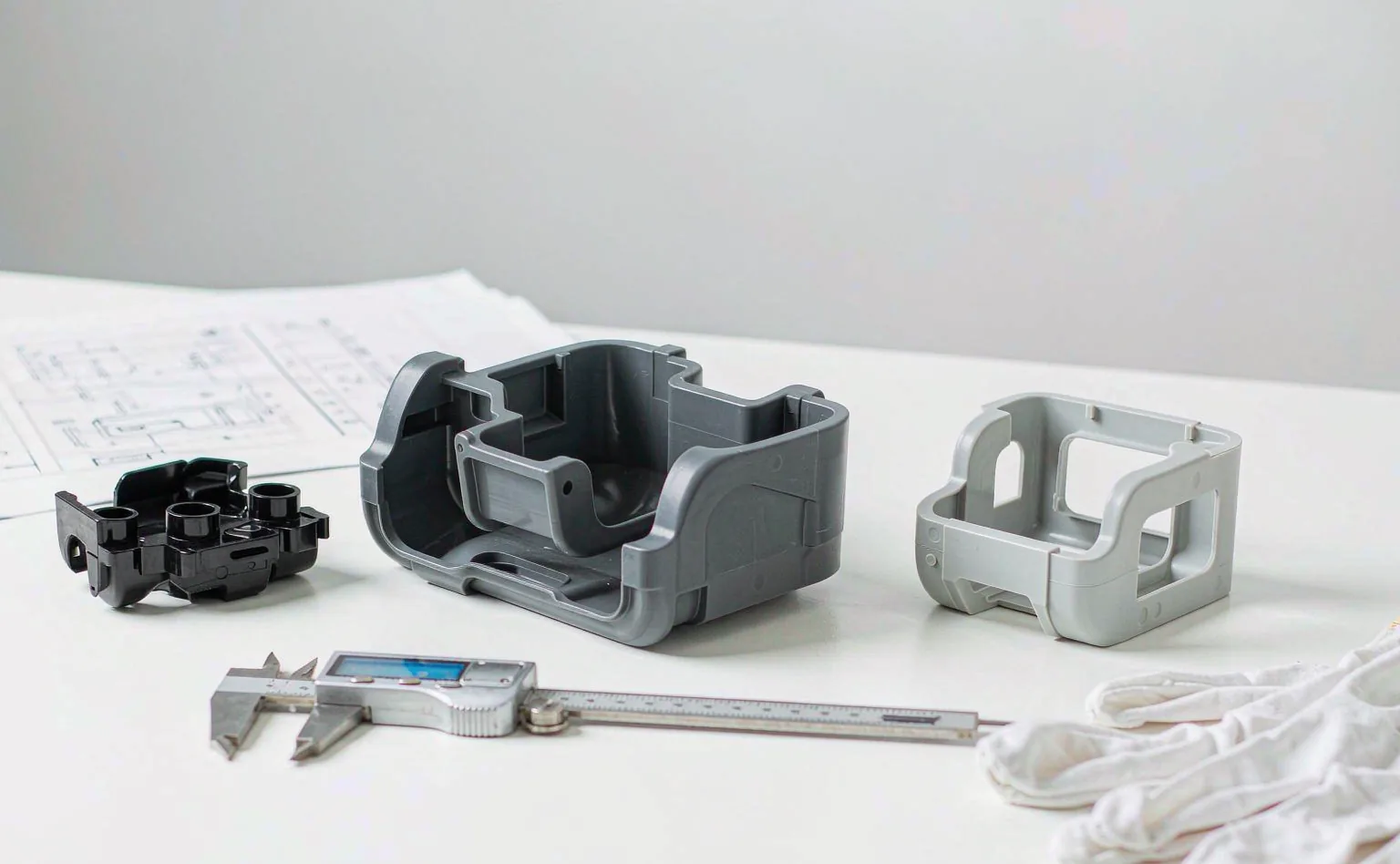
First articles off the mold checked against your drawing before mass production commits.
View service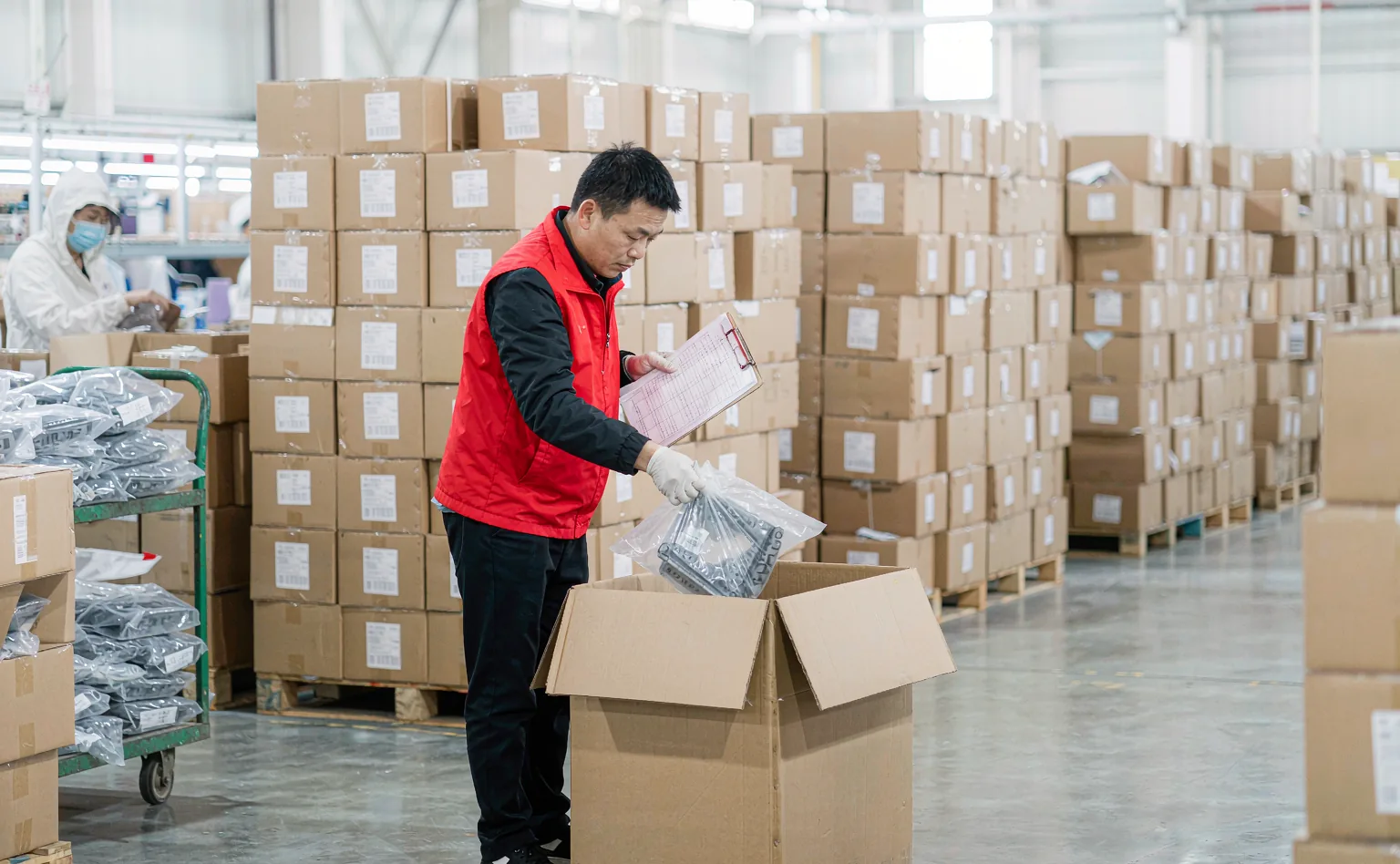
The finished, packed lot sampled to AQL before the container doors close.
View service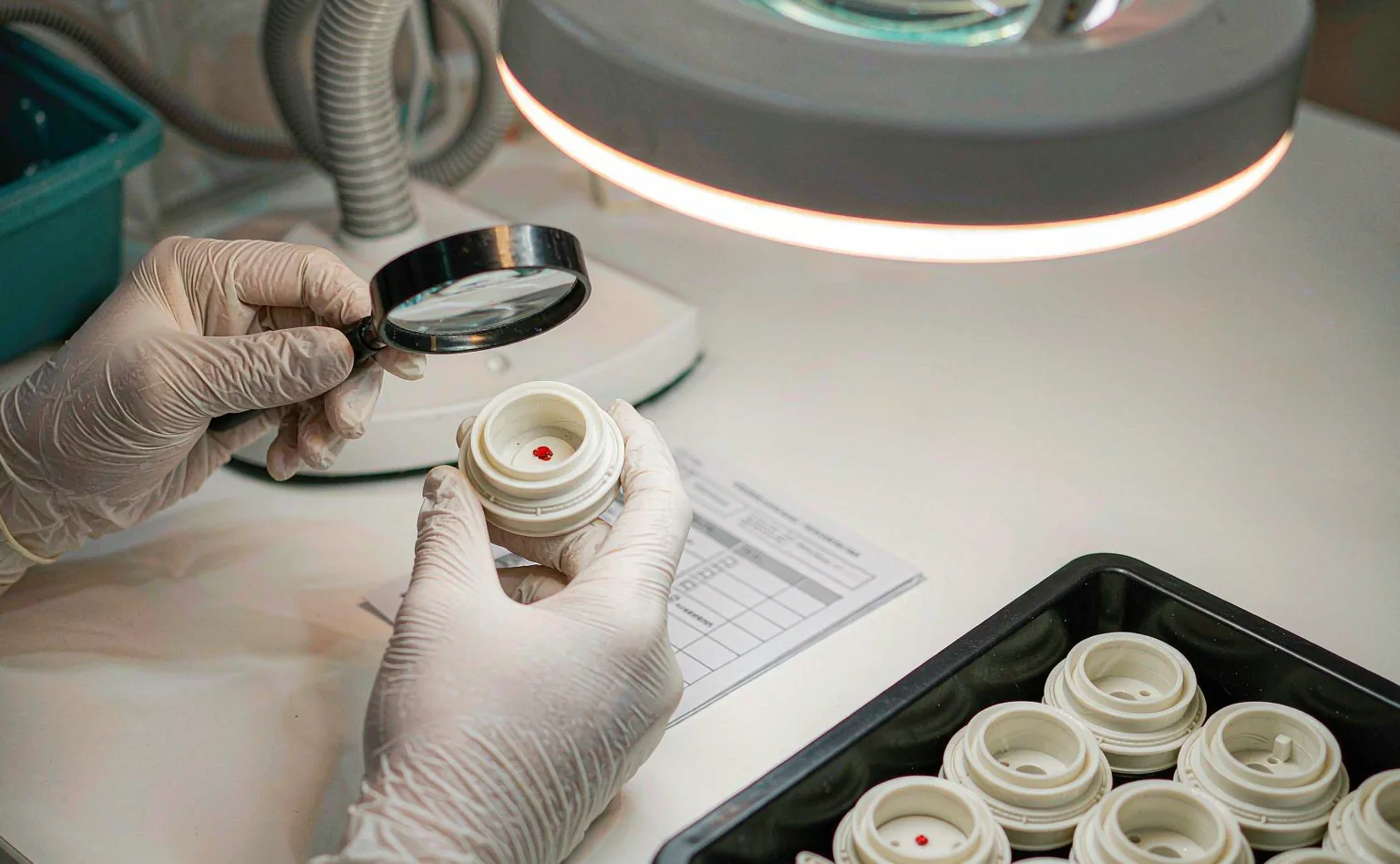
A pre-production sample measured and tested against your spec before you approve it.
View service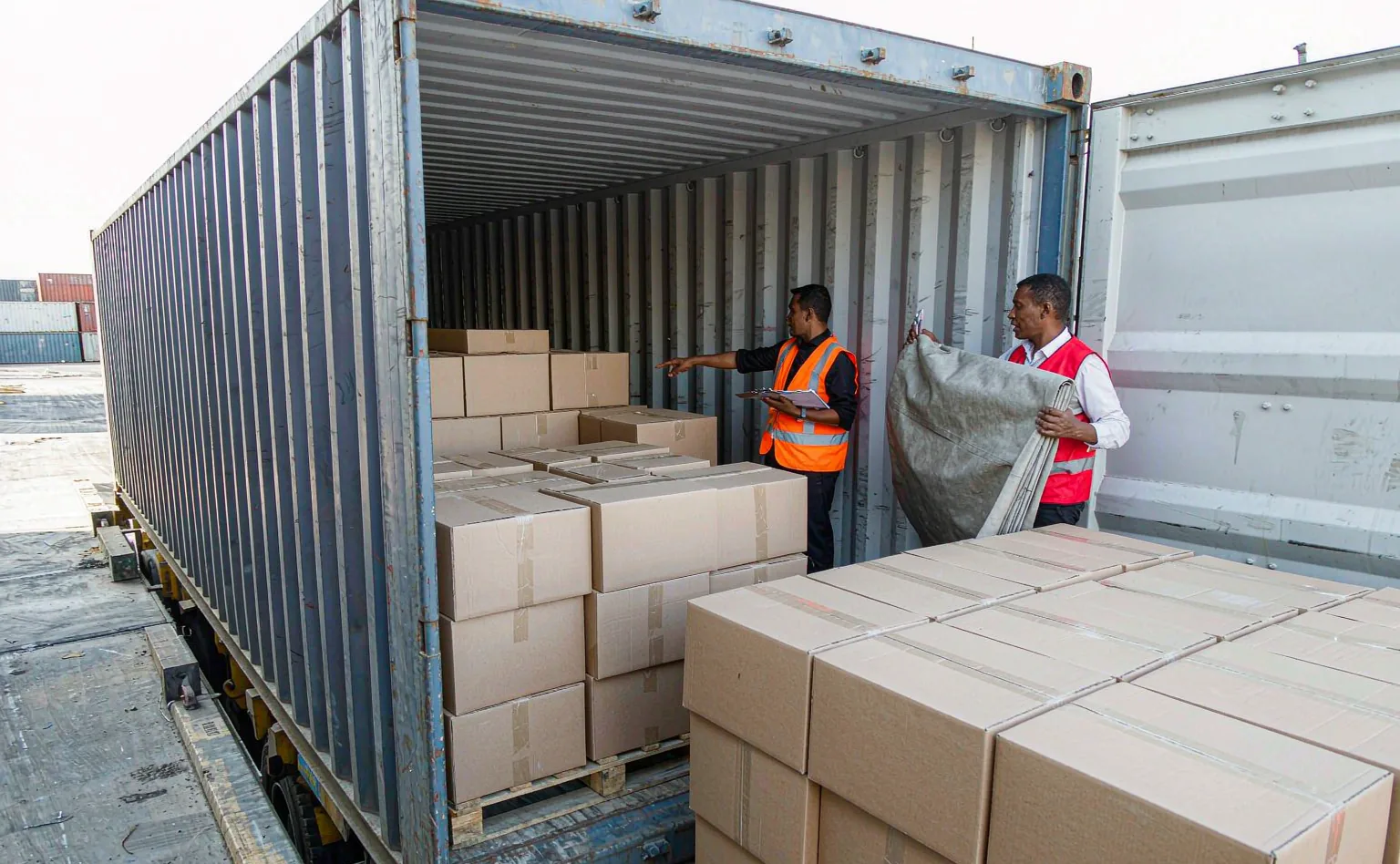
Quantity, carton condition and loading method watched as your goods go in.
View serviceStraight answers on cost, sampling, failures and scope.
Pricing is per man-day and depends on the factory location, product complexity and sample size. One rate covers the engineer, sampling, on-site tests and the report. There are no travel fees and no weekend surcharges, and you approve the exact quote before anything is booked.
We sample to ANSI/ASQC Z1.4 (ISO 2859-1), General Level II by default. On a 10,000-piece lot that means 200 pieces pulled from cartons across the warehouse. Acceptance levels are Critical 0, Major 2.5 and Minor 4.0 unless your specification sets tighter limits.
Yes. Book an Initial Production Inspection when the mold is dialed in. We record dimensions against your drawing and appearance against your approved sample, so tooling problems are caught before the cavity produces thousands of parts.
You receive a fail or hold report with photos, measurements and defect counts. The factory reworks or sorts the lot under the findings, and we come back for a re-inspection once rework is complete.
Within 48 hours of booking across the major manufacturing regions of China and Asia. The PDF report reaches your inbox within 24 hours after the inspection.
We inspect what the mold produces: dimensions, appearance, function and packing of the parts. Mold maintenance and tooling adjustments stay with the toolmaker. Our report tells you whether the parts meet your specification, which is the evidence you need to push for tooling corrections.
Injection-molded thermoplastics such as ABS, PP, PE, PC, nylon, POM and PVC: housings, enclosures, toys, containers and consumer parts. Blow-molded and extruded items can be scoped on request, and RoHS or REACH screening is available through our laboratory testing service.
A detailed PDF report within 24 hours. Every defect is photographed, counted and classified as critical, major or minor. Measurements are recorded against your drawing, the AQL result is shown, and the lot gets a clear pass, fail or hold verdict.
Practical guides from our inspection team, written from real factory floors.
Send the part drawing, your approved sample photos and the factory city. We reply with scope and an exact quote, and an engineer can be on site within 48 hours.