
Quality Management System Audits for Supplier Process Control
Our team reviews whether a supplier’s documented quality system is implemented across responsibilities, document control, production processes, inspection records, nonconformity handling and corrective action.

Three areas show whether the quality system can control day-to-day production
A useful QMS audit does not stop at the quality manual. It checks how responsibilities, procedures and records connect to the work being performed.
Responsibilities and documented control
Quality objectives, assigned responsibilities, document approval, revision control, training arrangements and management oversight.
Production and inspection processes
Incoming-material control, work instructions, in-process checks, final verification, equipment status, identification and traceability where required.
Problems, data and corrective action
Nonconforming product control, complaint handling, corrective action, internal audits, management review and follow-up evidence.
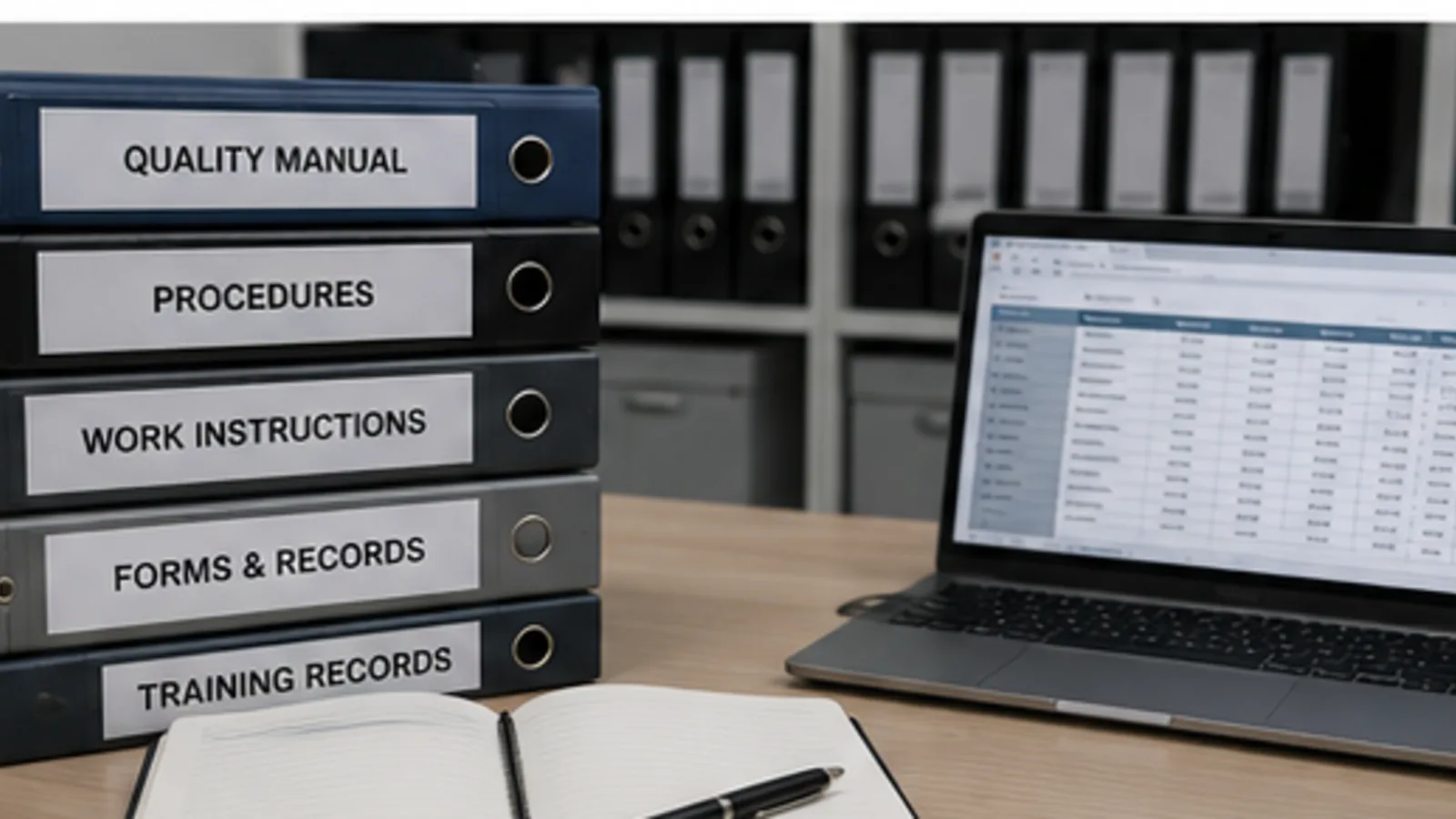

Written procedures are compared with actual factory practice
A procedure may look complete on paper but still fail to control production. Our team therefore reviews selected records and visible process steps to check whether the documented system is being followed.
The applicable standard and checklist must be confirmed before scheduling
The audit may reference ISO 9001 requirements, buyer procedures, supplier documents, industry-specific requirements or a custom checklist. The selected criteria determine which functions, processes and records are reviewed.
From agreed criteria to a report the buyer can review
Our project service team coordinates the requirements and schedule. The audit team follows the approved scope and records evidence in a structured format.
Scope preparation
Confirm the supplier site, products, processes, audit criteria, requested documents and buyer priorities.
Document and site review
Review selected documents, records, process controls, production areas and available personnel evidence.
Findings classification
Separate confirmed findings, evidence gaps, access limits and supplier statements that could not be verified.
Report and follow-up
Provide the report for buyer review and support clarification or corrective-action follow-up when requested.
Findings usually concern control gaps, not isolated paperwork mistakes
The importance of a finding depends on its effect on product conformity, process stability, traceability and the supplier’s ability to prevent recurrence.
Documents do not match practice
Procedures are incomplete, outdated or unavailable at the point of use, while operators follow informal methods.
Records cannot support control
Inspection, calibration, training or production records are missing, inconsistent or do not show clear acceptance and release decisions.
Corrective action is not effective
Repeated defects are closed without adequate root-cause review, implementation evidence or an effectiveness check.
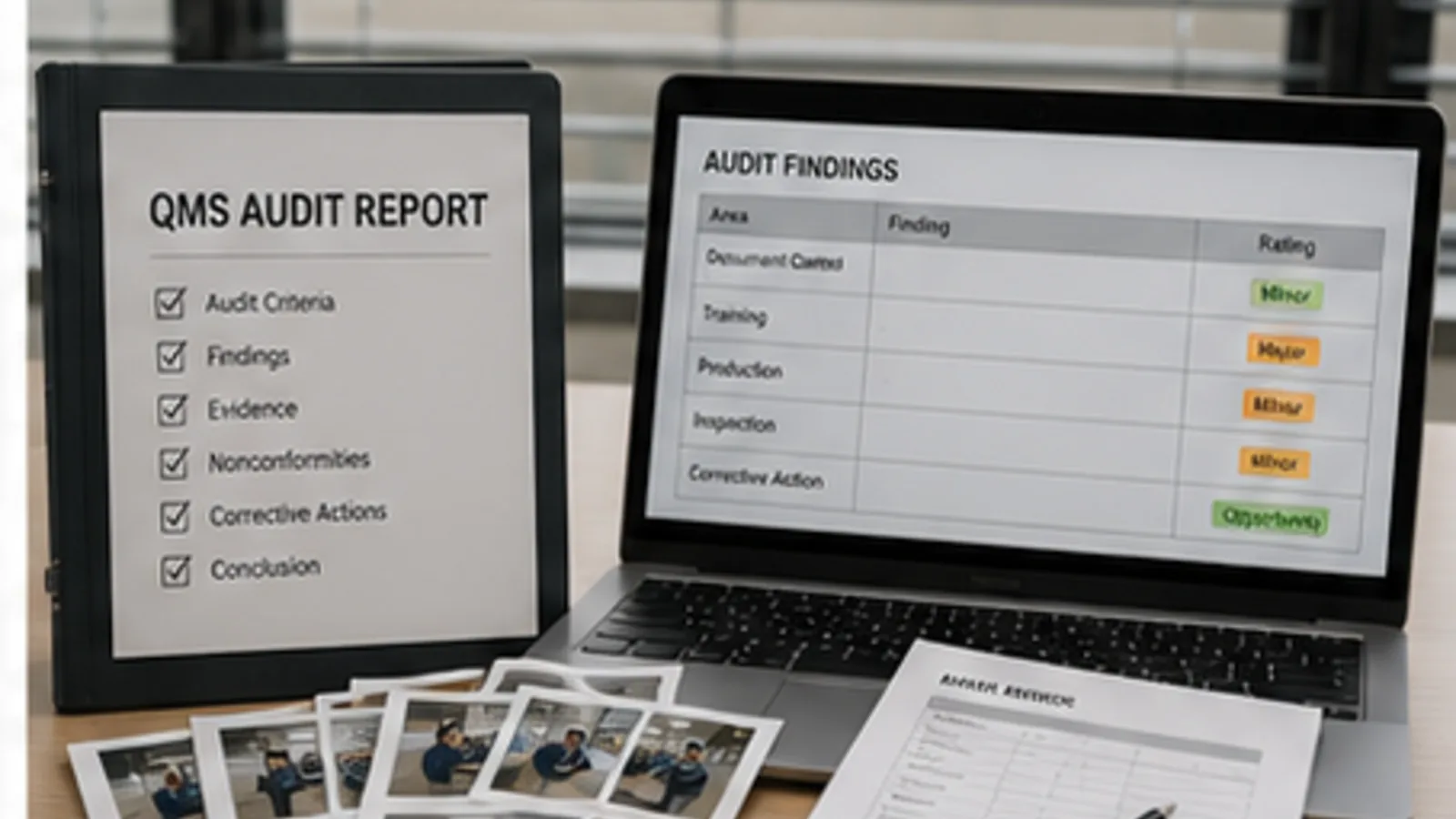
The report links each finding to evidence and the agreed criteria
After the audit, our team provides the report for client review. It should make clear what was checked, what evidence was available and which issues need supplier clarification or corrective action.
- Audit scope, site and criteria used
- Reviewed processes and selected records
- Documented findings and supporting photographs where permitted
- Evidence gaps, restrictions and unavailable information
- Corrective-action points and buyer review notes
Quality management system audit questions
These answers clarify the audit criteria, service boundary and relationship with product inspection.
Is a UTS quality management system audit an ISO certification audit?
No. UTS provides a third-party supplier audit for buyer review. Certification, when required, must be handled by an appropriate independent certification body.
What audit criteria can be used?
The criteria are agreed before scheduling and may include ISO 9001 requirements, buyer procedures, supplier documents, industry-specific requirements or an approved custom checklist.
What records are usually reviewed?
Depending on the scope, the audit may review selected training, incoming inspection, production, testing, calibration, nonconforming product, corrective action, internal audit and management review records.
Does a QMS audit replace product inspection?
No. A QMS audit reviews the supplier’s management system and process controls. Product inspection checks actual goods against order requirements at a defined production stage.
How are unavailable records handled?
Unavailable records, access restrictions and evidence gaps are documented so the buyer can distinguish verified observations from supplier statements.
Send the supplier site and required audit criteria
Include the supplier name, address, product category, requested standard or checklist and the processes your team needs reviewed.