Add a second production inspection when you need evidence the first visit could not provide: a check of later output, uncovered models or lots, goods made after a material or process change, or the condition of products after rework. Repeated defects and a tight shipment schedule can make that extra check more important. Choose its timing from the question still unanswered; the second visit may be during production, at final inspection, or after rework—not automatically another mid-production check.
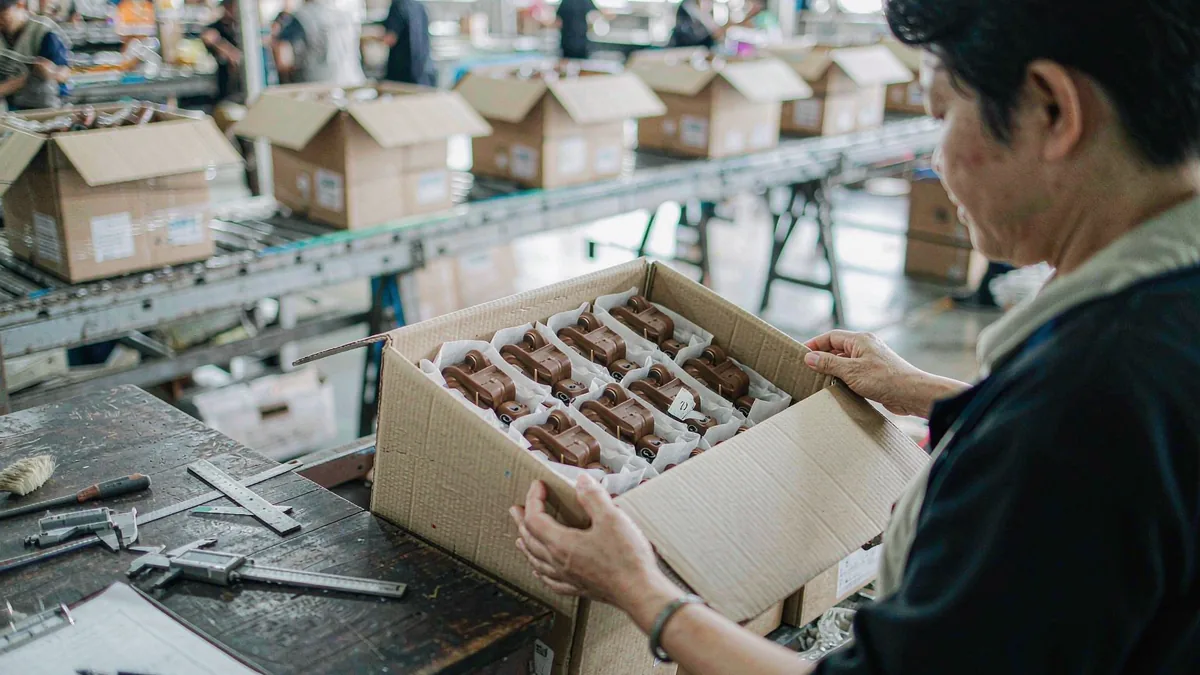
A second visit checks output the first inspection could not see.
Start with What the First Visit Actually Checked
At UTS, our published Initial Production Inspection process starts with reviewing the purchase order, specification sheet, approved sample, and quality requirements to prepare a product-specific checklist. Our IPI service page describes this preparation and the checks of materials, components, workmanship, function, and packaging. [1]
For During Production Inspection (DPI), we agree the inspection criteria, including product specifications, defect definitions, and acceptance levels. [2] Our Final Random Inspection (FRI) service checks sampled finished goods against the agreed requirements before shipment. [3]
When deciding whether to add a visit, compare the first report's actual scope with the order: which models, lots, production dates, and checks were covered, and which were unavailable? A satisfactory finding on the inspected goods does not establish the condition of goods produced later.
When One Visit May Be Sufficient
A single final inspection may be sufficient for a familiar, stable product when there are no material or process changes, all ordered variants are available for sampling, and the agreed checks can be completed. Consider the supplier's documented performance and the product's requirements as well; a repeat order alone is not a reason to skip additional checks.
Missing an earlier inspection window does not, by itself, mean you need another visit. The reason to add one is an unresolved inspection question, not simply an empty date in the schedule.
When to Add the Second Visit
Repeated defects need a follow-up check
The same dimension, function, or workmanship mismatch across sampled cartons is a reason to examine whether later output shares the problem. If the supplier has reworked affected goods, a return visit can check those goods against the agreed requirements. Keep the follow-up findings distinguishable from the original findings; the return visit documents the condition observed on its own date.
Later lots or production lines were not covered
For a long or multi-lot run, the first visit may cover only early output or one line. Add a visit when a later lot, another line, or a changed material batch needs checking. Define that target explicitly rather than repeating the same accessible sample selection without addressing the missing coverage.
A supplier, material, or process changes
A new subcontractor, replacement material, tooling adjustment, or revised assembly step means the earlier findings may not describe the changed output. Schedule the added visit after goods made under the changed conditions are available. Compare them with the current agreed specifications and authorized changes—not an assumed revision to the drawings. An earlier supplier evaluation does not replace checking the products made after the change.
Too few finished goods were available
A visit focused on materials and first output cannot substitute for a later check of finished and packed goods. Before booking again, confirm the available quantities by model or SKU, the packing status, and access for the agreed sampling and tests. An order-wide completion percentage can hide a variant that has not yet been produced.
Some models, colors, or sizes were missing
For illustration only, suppose an order has four colors but only one was finished during the first visit. A second visit after the remaining colors become available can address that specific omission. It does not mean that every unit of every color will be inspected; the agreed sampling scope still applies.
A safety-related requirement remains unchecked
For children's products, a missed check may concern a safety requirement rather than appearance. For example, the US small-parts ban applies to covered products intended for children under three, subject to the rule's scope and exclusions. [4]
Add an on-site visit only if it can address the outstanding inspection check. If the question requires laboratory evidence—such as material or migration testing for food-contact items—arrange the applicable testing separately. Another factory visit is not a substitute for a required laboratory test or proof of regulatory compliance.
The shipment schedule leaves little time to respond
If a known production risk could otherwise remain unexamined until final inspection, an added during-production visit can provide findings earlier. A fixed shipment date alone does not make another visit necessary. The extra visit needs a defined purpose, and the schedule must leave time for the buyer and supplier to respond to its findings.
Where to Place the Second Inspection
Use the first visit's stage and the remaining question to choose the next date. UTS publishes typical windows of about 5% to 10% produced for IPI, 30% to 50% finished and packed into export cartons for DPI, and 100% produced with at least 80% packed for FRI. These are service-stage windows, not inspection sample sizes. [1][2][3]
| First visit or finding | Purpose of the second visit | Timing to consider |
|---|---|---|
| Early materials and first-output check | Examine finished output while production continues | DPI window, if that is the unresolved need |
| Early or during-production check | Assess the completed shipment lot | FRI window, once finished and packed goods are available |
| Missing variants, later lots, or changed output | Check the previously unavailable or changed goods | When the target goods are ready and accessible |
| Defects followed by supplier rework | Record the condition of the reworked goods | After the stated rework is complete and the goods are accessible |
A DPI at 30% to 50% completion leaves roughly 50% to 70% of production unfinished, so findings may arrive while later output can still be adjusted. This does not mean already-produced defects have been corrected or that the remaining goods will meet requirements. [2]
Confirm booking availability and report timing with our team before fixing the date. Do not schedule a return solely because time has passed: the goods or conditions you need to examine must actually be available.
What to Agree Before the Return Visit
For preparation, provide the previous report, current order details, specifications, and any authorized changes. Identify the reason for the return and agree a scope that addresses it:
- The models, quantities, lots, or production lines to be made available.
- The previous defect points or unfinished checks to be examined.
- Whether the target is later output, changed output, reworked goods, or the completed shipment lot.
- The sampling plan, acceptance criteria, and any on-site tests or separate laboratory work.
Keep defect definitions and acceptance criteria consistent where requirements have not changed, so the findings can be compared. ISO 2859-1 describes AQL-indexed acceptance sampling schemes for lot-by-lot inspection; a sampled result is not evidence that every unit was checked. [5]
If barcode or QR-code checks are in scope, agree the scanning device, test conditions, and expected encoded data before the visit. The inspected codes must achieve a 100% scan success rate, and the decoded information must match the agreed requirements. This applies to the codes inspected under those conditions, not every unit in the order or every downstream scanner.
Our reports present actual findings only: the inspection scope, quantities checked, measurements, observed defects, test results, photo evidence, and any checks that could not be completed. They do not contain recommendations, corrective-action plans, or shipment-release advice. The preparation guidance in this article is separate from report content; the buyer and supplier retain decisions on containment, rework, and release.
Before You Book, Name the Question the Second Visit Must Answer
Can it check a missing lot, examine changed output, record the condition after rework, or assess finished goods that were unavailable earlier? If so, define those goods and choose a date when they can be inspected. If it would only repeat completed checks without addressing an unresolved need, another visit may add little. No number of sampled visits establishes a zero-defect batch or, by itself, legal compliance.
Planning a second production inspection?
Share the first report, the production schedule, and the goods you need checked with our team to discuss scope and availability.
Contact UTS